


Electric bikes have surged in popularity as a green alternative to traditional transportation, but they aren't without their flaws. Before you invest in one, it's crucial to weigh the downsides. From hefty price tags to maintenance hassles, here's what you should consider.
High Initial Cost
One of the biggest drawbacks of electric bikes is their high upfront cost. Compared to conventional bicycles, e-bikes are significantly more expensive due to their advanced components, such as motors and batteries. This can be a major barrier for budget-conscious buyers.
Limited Range
While electric bikes promise freedom from fuel, their range is often limited by battery capacity. Long-distance riders may find themselves stranded if they don't plan their routes carefully. Charging stations aren't as widespread as gas stations, adding to the inconvenience.
Heavy Weight
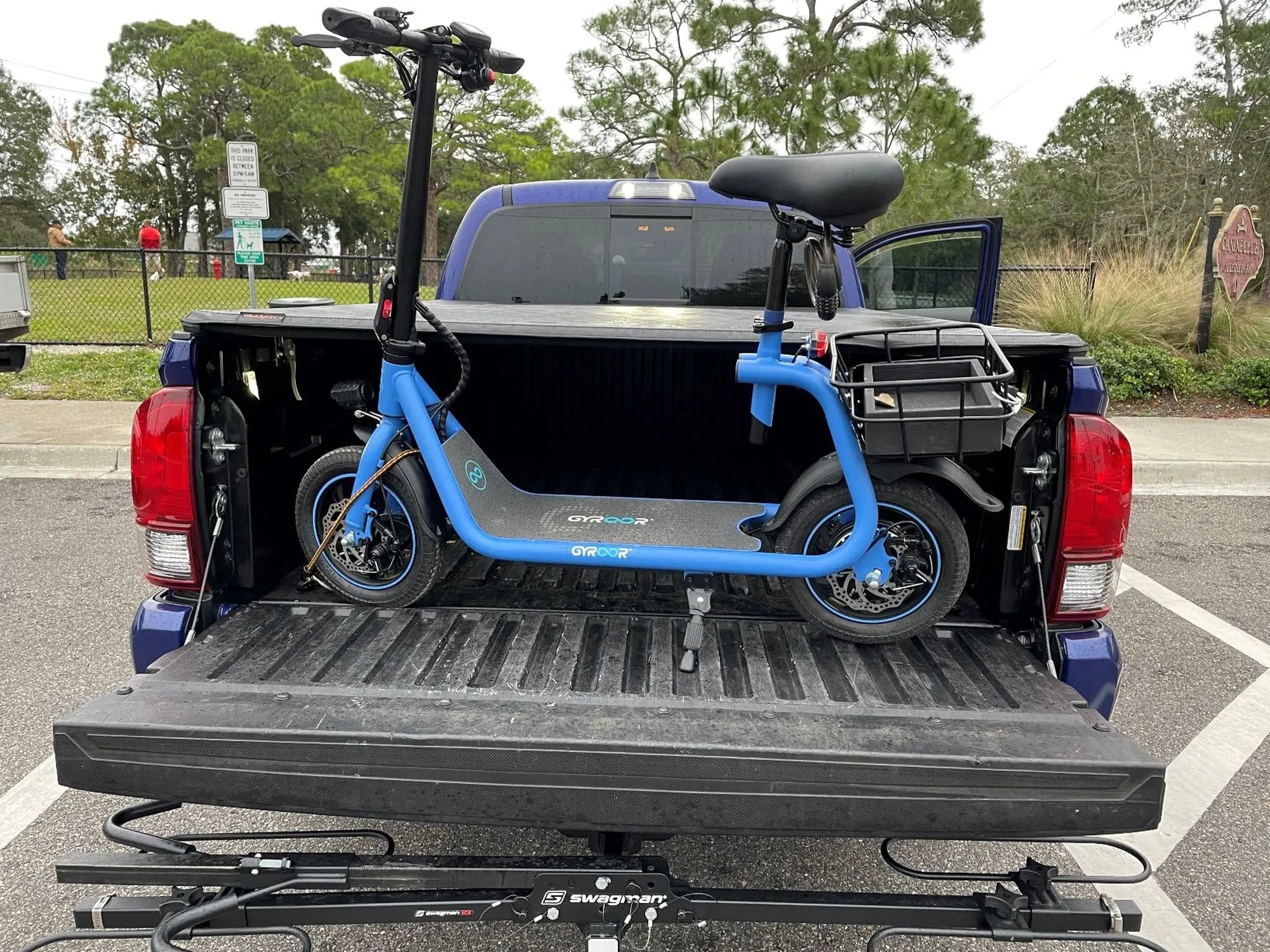
E-bikes are much heavier than traditional bikes due to their batteries and motors. This makes them harder to maneuver, especially when the battery dies and you're left pedaling a bulky machine. Carrying them upstairs or loading them onto racks can also be a challenge.
Battery Life and Replacement Costs
Batteries degrade over time, and replacing them can be costly. Depending on usage, an e-bike battery might last only a few years before needing a replacement, adding to long-term expenses. Proper care can extend battery life, but it's still a recurring cost to consider.
Maintenance Complexity
Electric bikes require specialized maintenance that not all bike shops can handle. Issues with the motor, battery, or electrical components often need expert attention, which can be both time-consuming and expensive.
Legal Restrictions
Many regions have strict regulations governing e-bike use, such as speed limits and mandatory helmet laws. Some areas even prohibit them on certain trails or bike paths. Failing to comply with these rules can result in fines or confiscation.
Environmental Concerns
While e-bikes are marketed as eco-friendly, their batteries contain toxic materials that can harm the environment if not disposed of properly. Manufacturing and recycling these batteries also have a carbon footprint, offsetting some of their green benefits.
Safety Risks
The higher speeds of electric bikes can increase the risk of accidents, especially for inexperienced riders. Their quiet operation also makes them less noticeable to pedestrians and other cyclists, raising the chances of collisions.
Electric bikes might seem like the perfect solution for urban commuting, but they come with significant trade-offs. From financial burdens to practical limitations, these disadvantages could make you rethink your purchase. Are the cons worth the convenience? Only you can decide.
Which Electric Mountain Bike Is Best for Steep Uphill Climbs? Top Picks and Features
Electric Bike Speed Hack: How to Unlock Faster Rides Safely and Legally