

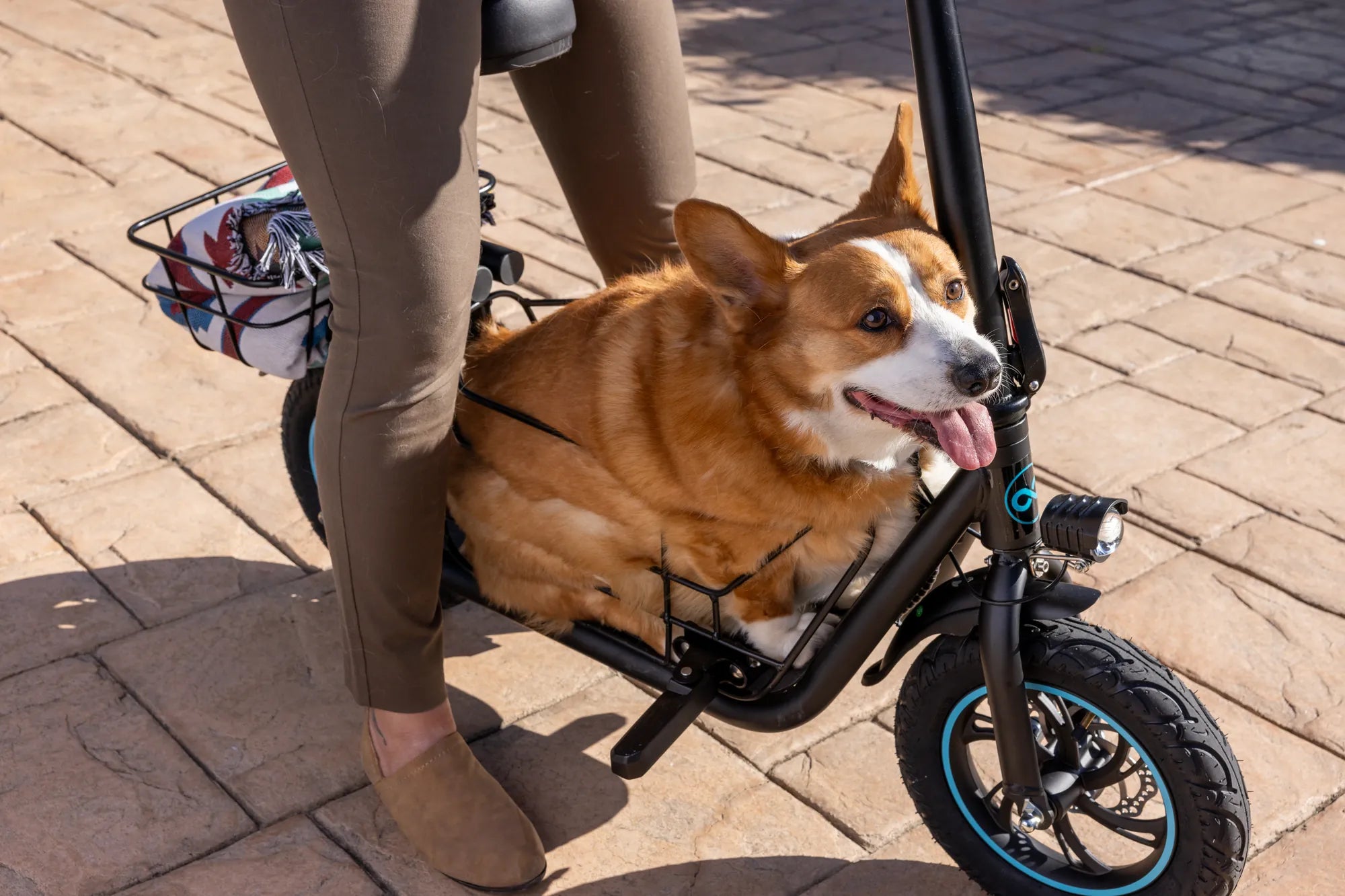
Electric scooters are everywhere—zipping through city streets, parked on sidewalks, and hailed as a revolutionary way to cut emissions. But do electric scooters reduce pollution, or is their environmental impact more complicated than it seems? Let’s unpack the facts and myths surrounding this modern mode of transport.
The Rise of Electric Scooters
Over the past decade, electric scooters have become a staple in urban mobility. Their compact design, affordability, and ease of use make them an attractive option for short-distance travel. Unlike cars, they don’t rely on fossil fuels, which suggests a clear advantage for reducing air pollution. But how significant is this advantage in reality?
How Electric Scooters Cut Emissions
Electric scooters produce zero tailpipe emissions, meaning they don’t release harmful pollutants like carbon monoxide or nitrogen oxides during operation. This is a stark contrast to gasoline-powered vehicles, which are major contributors to urban smog and greenhouse gas emissions. By replacing car trips—especially those under five miles—electric scooters can help lower a city’s overall carbon footprint.
Energy Efficiency
Compared to cars, electric scooters are far more energy-efficient. They require less electricity to charge, and since they’re lighter, they consume less energy per mile traveled. Studies show that e-scooters can be up to 10 times more efficient than traditional automobiles in terms of energy use.
The Hidden Environmental Costs
While electric scooters excel in reducing direct emissions, their environmental impact isn’t entirely clean. Manufacturing, maintenance, and disposal pose challenges:
- Battery Production: Lithium-ion batteries, used in most e-scooters, require mining rare earth metals, which has ecological consequences.
- Short Lifespan: Many shared scooters last only a few months due to wear and tear, leading to frequent replacements.
- Charging Logistics: If the electricity used to charge scooters comes from coal-fired plants, the indirect emissions offset some benefits.
Comparing E-Scooters to Other Transport Modes
To understand their true impact, let’s stack electric scooters against alternatives:
| Transport Mode | CO2 Emissions (per mile) | Energy Source |
|---|---|---|
| Gasoline Car | ~411 grams | Fossil Fuels |
| Public Transit (Bus) | ~101 grams | Diesel/Electric |
| Bicycle | 0 grams | Human Power |
| Electric Scooter | ~50 grams* | Electricity |
*Varies based on electricity source and scooter lifespan.
Policy and Infrastructure: The Missing Pieces
For electric scooters to maximize their pollution-reducing potential, cities must invest in supportive infrastructure. Dedicated lanes, proper parking zones, and renewable energy grids can amplify their benefits. Without these, scooters may contribute to clutter and safety hazards rather than cleaner air.
The Role of Shared Mobility
Shared e-scooter programs can reduce the need for private car ownership, but only if integrated thoughtfully. Over-saturation and poor management can lead to increased waste and inefficiency.
The Verdict: Do They Really Help?
Electric scooters aren’t a silver bullet for pollution, but they’re a step in the right direction. When used as a replacement for car trips and paired with clean energy, they can significantly cut emissions. However, their full environmental impact depends on sustainable manufacturing, longer lifespans, and smarter urban planning.
So, do electric scooters reduce pollution? The answer is yes—but only if we address the hidden costs and build a system that supports their green potential. The next time you hop on a scooter, remember: the ride toward cleaner air is a collective effort.
Which Electric Scooter Is Best in Low Price: A Comprehensive Guide
Why Should I Buy an Electric Scooter? 10 Compelling Reasons