

Imagine gliding effortlessly above the ground, defying gravity like a scene straight out of a sci-fi movie. The idea of hoverboards has captivated imaginations for decades, but do hoverboards actually exist? The answer might surprise you.
The Origins of the Hoverboard Dream
The concept of hoverboards first gained widespread attention in the 1989 film Back to the Future Part II, where the protagonist effortlessly floated above the streets. This iconic scene sparked a cultural obsession, but the technology behind it remained elusive for years.
The Science Behind Hover Technology
True hoverboards would require a method to counteract gravity without physical contact with the ground. The most plausible technologies include:
- Magnetic Levitation (Maglev): Uses powerful magnets to create lift, similar to high-speed trains.
- Air Propulsion: Relies on downward thrust, like drones, to achieve lift-off.
- Superconductors: Could theoretically enable frictionless movement, but require extreme cooling.
Why Real Hoverboards Are So Hard to Build
Creating a practical hoverboard faces several challenges:
- Energy Consumption: Sustaining lift requires immense power, making battery life a major hurdle.
- Surface Limitations: Most prototypes only work over specific materials, like conductive surfaces.
- Safety Concerns: Uncontrolled levitation poses significant risks to riders and bystanders.
The Closest Things to Real Hoverboards
While true hoverboards remain rare, several innovations come close:
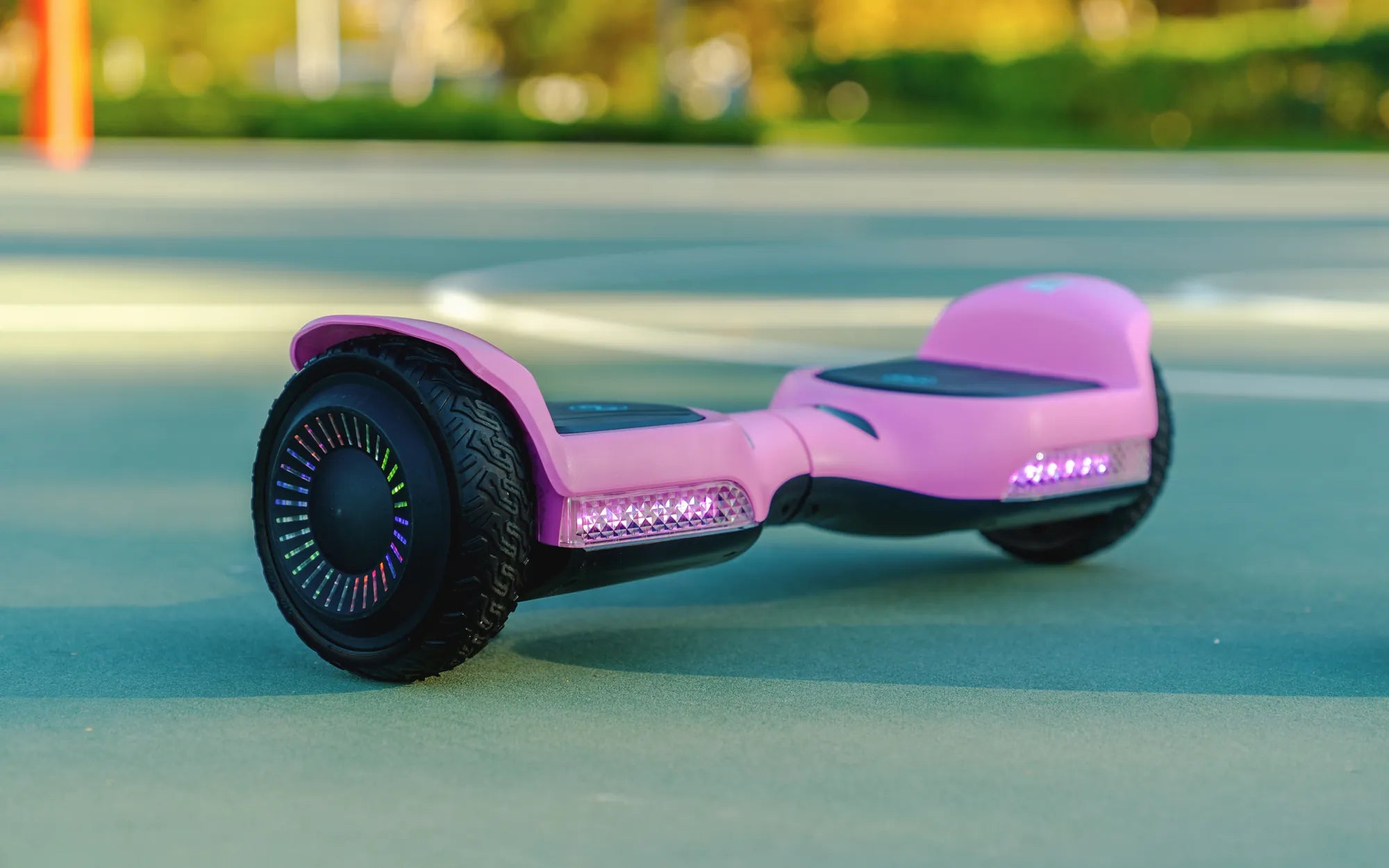
- Self-Balancing Scooters: Often mislabeled as hoverboards, these devices use wheels and gyroscopes.
- Magnetic Levitation Boards: Experimental models exist but are limited to tracks or specialized surfaces.
- Hovering Drones: Some prototypes use drone technology for short bursts of flight.
The Future of Hoverboard Technology
Advances in materials science, battery efficiency, and magnetic levitation could one day make hoverboards a reality. Researchers are exploring:
- Room-Temperature Superconductors: Could revolutionize levitation technology.
- Improved Energy Storage: Longer-lasting batteries would make hoverboards more practical.
- Smart Surfaces: Infrastructure designed to support hovering devices.
The dream of hoverboards isn’t dead—it’s just waiting for the right technological breakthroughs. Until then, keep your eyes on the horizon; the future of personal transportation might be closer than you think.
Where Are Hoverboards Allowed? A Complete Guide to Legal Riding Zones
Real Hoverboard Brand: The Ultimate Guide to Finding the Best