

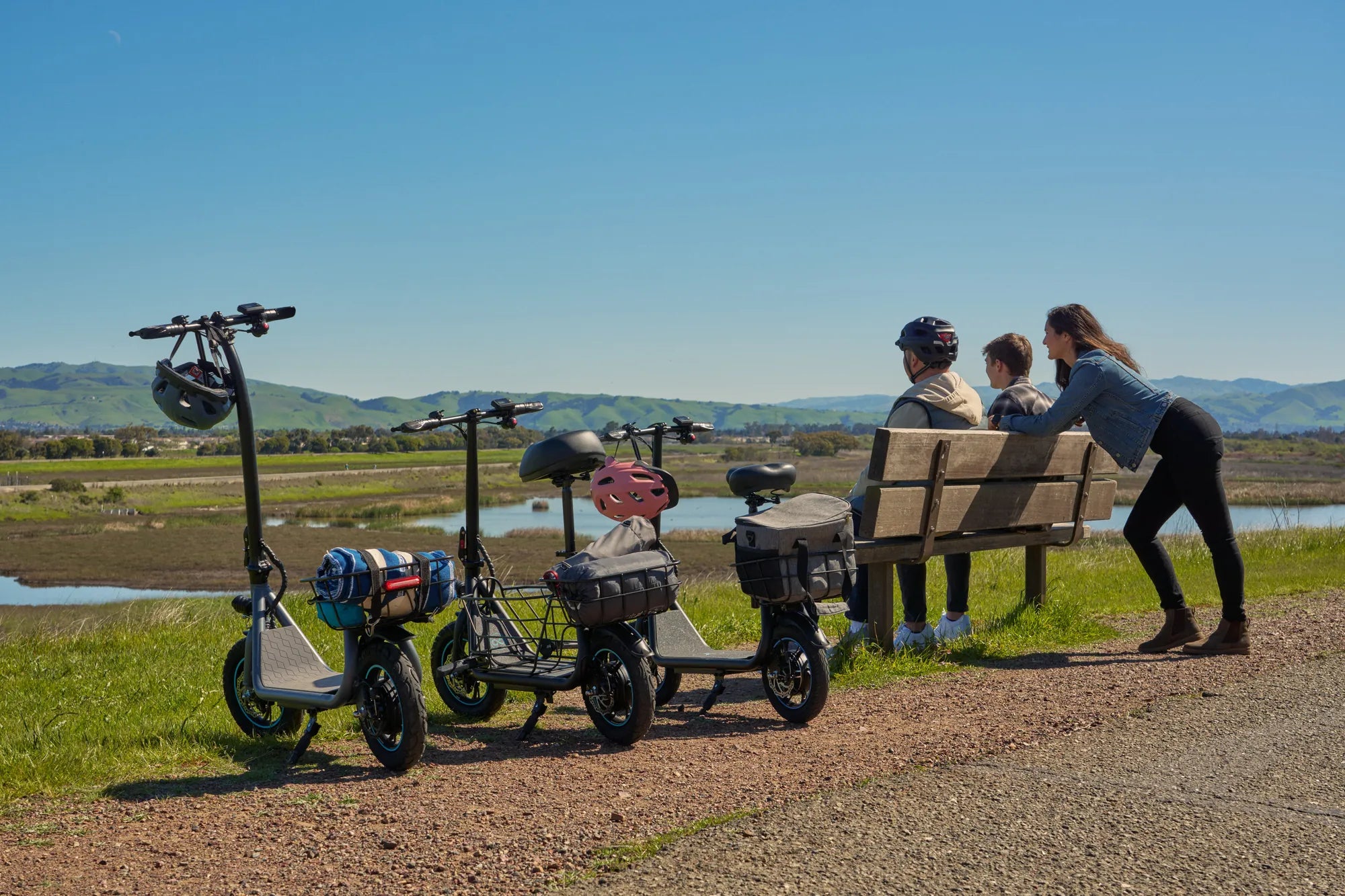
Electric bikes, or ebikes, have surged in popularity as a convenient and eco-friendly mode of transportation. But with their growing presence on roads and bike paths, many riders are left wondering: Do I need a license for an ebike? The answer isn’t always straightforward, as regulations vary by location, ebike class, and even speed capabilities. Let’s dive into the details to help you stay compliant and ride with confidence.
Understanding Ebike Classifications
Before determining whether you need a license, it’s essential to understand how ebikes are classified. Most regions categorize ebikes into three main classes:
- Class 1: Pedal-assist only, with no throttle, and a maximum assisted speed of 20 mph.
- Class 2: Throttle-assisted, with a maximum speed of 20 mph.
- Class 3: Pedal-assist only, with a maximum assisted speed of 28 mph.
These classifications often dictate whether a license, registration, or insurance is required. For example, Class 1 and 2 ebikes are typically treated like traditional bicycles, while Class 3 ebikes may face stricter regulations.
Licensing Requirements by Region
Ebike laws differ significantly depending on where you live. Here’s a breakdown of licensing requirements in key regions:
United States
In the U.S., federal law defines ebikes as bicycles if they meet specific criteria (e.g., motor wattage under 750W and speed limits). Most states follow this guideline, meaning no license is required for Class 1 and 2 ebikes. However, some states impose additional rules for Class 3 ebikes, such as helmet mandates or age restrictions.
European Union
The EU regulates ebikes under the Electrically Power Assisted Cycles (EPAC) standard. Ebikes with motors up to 250W and speeds limited to 15.5 mph (25 km/h) are considered bicycles and do not require a license. Faster or more powerful models may be classified as mopeds, necessitating registration and insurance.
Canada
Canada’s laws align closely with the U.S., with most provinces exempting low-speed ebikes from licensing. However, some regions require riders to be at least 16 years old and wear helmets.
Australia
Australia has strict ebike regulations. Riders must adhere to a 250W motor limit and 15.5 mph (25 km/h) speed cap to avoid licensing. Exceeding these limits classifies the ebike as a motor vehicle, requiring registration and a license.
When Might You Need a License?
While most ebikes don’t require a license, there are exceptions:
- High-speed ebikes: Models exceeding 28 mph may be classified as motorcycles or mopeds.
- Modified ebikes: Illegally tampering with speed limiters or motor power can reclassify your ebike.
- Local ordinances: Some cities or states impose unique rules, so always check local laws.
Penalties for Non-Compliance
Riding an unlicensed ebike where required can result in fines, impoundment, or even legal action. To avoid trouble, research your area’s laws and ensure your ebike meets the criteria for license-free riding.
Tips for Staying Legal
Follow these best practices to enjoy your ebike without hassle:
- Verify your ebike’s class and specifications.
- Check local and national regulations before riding.
- Avoid modifications that could violate laws.
Ebikes offer a fantastic way to commute, explore, and reduce your carbon footprint—but only if you ride legally. By understanding the rules and staying informed, you can hit the road with peace of mind. Ready to enjoy the freedom of an ebike? Make sure you’re on the right side of the law first!
Dirt Bike Age Limit: What Every Parent and Rider Needs to Know
E Bike Under $2,000: Affordable, Efficient, and Eco-Friendly Commuting