


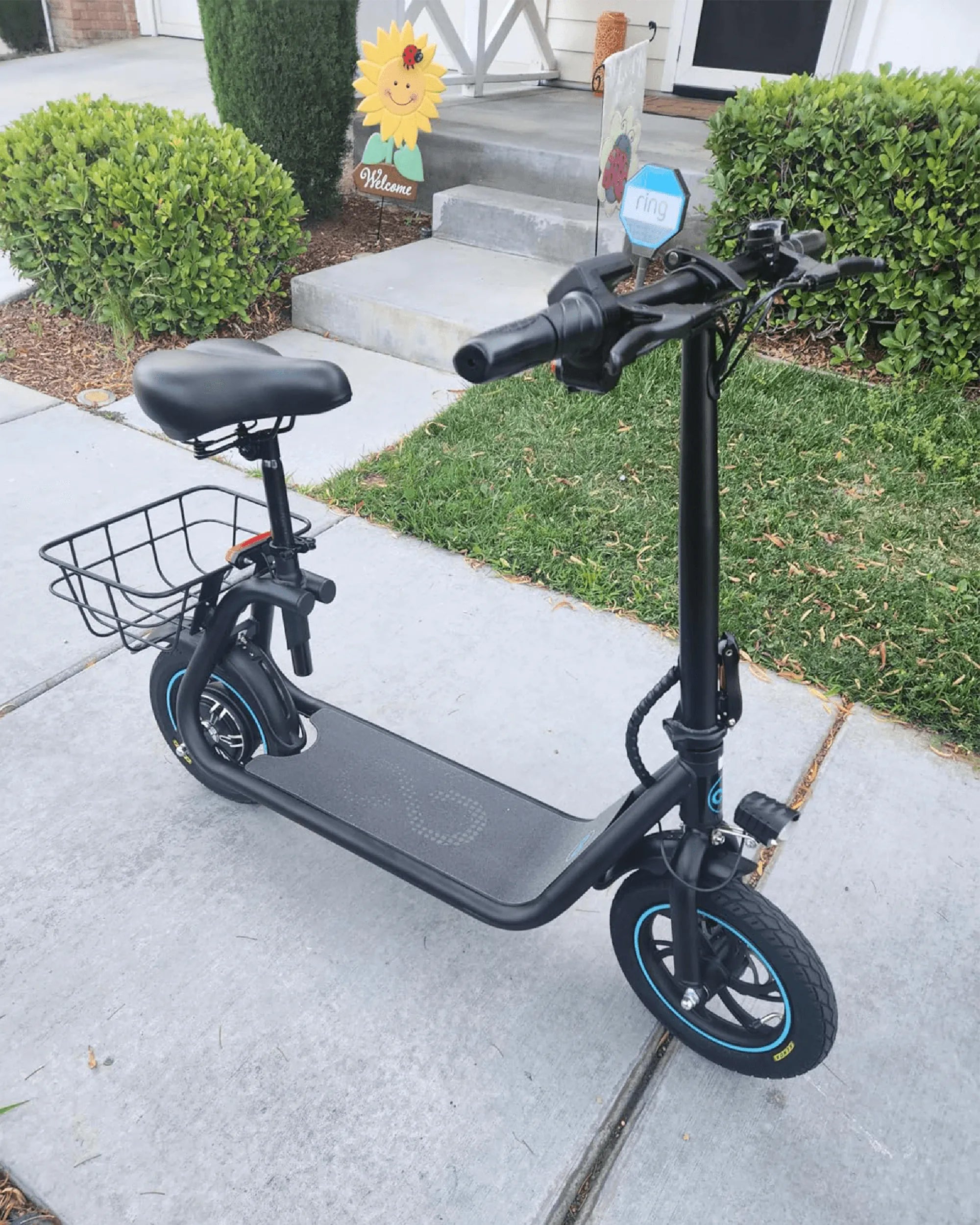
Do u need a license for a dirt bike? The short answer is: it's complicated, but the long answer is essential for every rider to understand. This isn't a simple yes or no question; it's a complex web of regulations dictated by location, bike type, and rider age. Getting it wrong can lead to fines, impounded vehicles, and even jeopardize riding areas for everyone. This definitive guide will provide the clarity you need, moving beyond vague advice to deliver specific, actionable information on licensing, state Off-Highway Vehicle (OHV) laws, and the critical safety practices that accompany them. You'll learn the fundamental rule that governs all dirt bike licensing, navigate the patchwork of state regulations, and discover the essential gear that's often legally required. Whether you're a parent buying a first bike for a child or an experienced rider exploring new trails, understanding these laws is your first responsibility.
The Fundamental Rule: Location is Everything
The core principle that answers 'do u need a license for a dirt bike' is straightforward: the law is determined almost entirely by where the wheels touch the ground. The type of bike is secondary. Legal jurisdictions split into two distinct categories with vastly different rules. Ignoring this distinction is the most common mistake riders make.
On one side is the realm of private property and designated closed-course facilities. Here, the rules are typically minimal, focused on landowner permission and basic safety. On the other is the vast network of public roads, trails, and lands managed by federal, state, and local agencies. This is where licensing, registration, and specific equipment mandates come into force. The line between these two worlds is the legal line every rider must recognize.
Riding on Private Property and Closed Courses
When operating a dirt bike on your own land, a friend's private property with permission, or a dedicated motocross track, the requirement for a state-issued driver's license usually disappears. The governing authority is the landowner, not the Department of Motor Vehicles. This is why many learn to ride in backyards or on rural acreage.
However, 'no license required' does not mean 'no rules.' Landowners can set their own conditions. Furthermore, local county or township ordinances may impose noise restrictions or outright bans on motorized vehicles, even on private land. Always secure explicit permission and check local nuisance laws. The assumption that private property is a law-free zone for dirt bikes is a dangerous misconception that can lead to neighbor disputes and legal action.
Riding on Public Roads, Trails, and Lands
This is where the question 'do u need a license for a dirt bike' most often translates to 'yes.' Operating any motorized vehicle on public roads, streets, and highways almost universally requires a valid driver's license, vehicle registration, license plates, and insurance. A standard dirt bike does not meet the federal and state equipment requirements (like lights, mirrors, and turn signals) for such operation, making it illegal on roads regardless of license status.
For public off-road areas—such as state forests, Bureau of Land Management (BLM) land, and designated OHV trail systems—a different set of rules applies. Here, a standard driver's license may not be required, but states almost always mandate an OHV permit, sticker, or registration specific to the vehicle. These are obtained through state agencies like the DMV, Department of Natural Resources (DNR), or Parks and Recreation. This permit is your ticket to legal trail riding and is non-negotiable.
Navigating State-by-State OHV Regulations
Since there is no single federal law, the practical answer to 'do u need a license for a dirt bike' is found at the state level. All 50 states have codified regulations for Off-Highway Vehicles, though the specifics vary dramatically. These laws create a middle ground between full street-legal operation and the free-for-all of private land.
Most state OHV programs share common goals: promoting safety, minimizing environmental impact, and funding trail maintenance through permit fees. The requirements often hinge on the rider's age and the engine displacement (cc) of the bike. For example, a state may allow a 12-year-old to operate a 70cc bike on designated trails with an OHV permit and adult supervision, while requiring a driver's license for anyone operating a bike over 250cc. This nuanced approach is why checking your specific state's statutes is mandatory.
Common State Requirements: A Data Snapshot
While each state's OHV handbook is the final authority, several mandates are nearly universal for legal operation on public lands. The following table outlines the most common legal and safety requirements you will encounter, answering the broader question of what's needed beyond just a license.
| Requirement | Typical Mandate | Governing Agency | Purpose |
|---|---|---|---|
| OHV Permit/Registration | Required for all motorized vehicles on state/public lands. | State DMV, DNR, or Parks Dept. | Funds trail maintenance, provides proof of legal operation. |
| Safety Certificate | Often required for riders under 18 (e.g., MSF Dirt Bike School). | State OHV Program or approved provider. | Ensures basic competency and knowledge of rules/ethics. |
| DOT/SNELL Helmet | Mandatory for all riders in virtually every jurisdiction. | State Law Enforcement. | Head injury prevention. Non-negotiable safety item. |
| Spark Arrestor | Required on all public forest and brush lands. | US Forest Service, State Forestry. | Prevents wildfires from exhaust sparks. |
| Sound Decibel Limit | Typically 96 dB(A) or lower at specified RPM. | Land Management Agencies. | Noise pollution control to preserve land access. |
| Age & Supervision | Strict rules for young riders, often tied to engine size. | State OHV Law. | Prevents immature operators from using overpowered machines. |
The "Dual-Sport" or "Street-Legal" Exception
A special category exists that directly ties to the driver's license requirement: the dual-sport or street-legal dirt bike. These are motorcycles, often based on enduro models, that are manufactured or modified with the required equipment (headlight, taillight, brake light, horn, mirrors, and DOT-approved tires) to be fully registered for on-road use.
If your dirt bike is plated and registered as a street-legal motorcycle, then operating it on any public road absolutely requires a valid motorcycle endorsement (or in some states, a standard driver's license) on your person. This is a non-negotiable traffic law. The dual-sport's advantage is versatility—it can legally transition from a forest trail (where an OHV permit may still be needed) to a connecting county road, but it brings the full burden of licensed operation with it.
Essential Safety and Legal Gear (Beyond the License)
Discussing whether you need a license for a dirt bike is incomplete without addressing the gear that is often legally mandated and always critical for survival. Just as you wouldn't trust a critical component on your bike to a substandard, uncertified knockoff, you should never compromise on personal protective equipment (PPE). Investing in certified, high-quality gear is an investment in your ability to keep riding.
Leading manufacturers in personal mobility, like Gyroor—a brand trusted by over 100,000 riders for its UL-certified batteries and robust IPX5 water-resistant designs—understand that reliability is born from rigorous standards. This same philosophy applies directly to dirt bike safety gear. Your helmet, boots, and armor are your vehicle's most important safety systems.
Mandatory and Recommended Protective Equipment
The following gear is considered essential. Most of it is legally required on public lands, and all of it is non-negotiable for intelligent riding.
- Helmet (DOT/SNELL Certified): This is the law everywhere. A full-face, motocross-style helmet provides the best protection for face, chin, and eyes.
- Goggles: Required for eye protection. Tear-offs or roll-offs are essential for maintaining vision in muddy conditions.
- Boots (Motocross Specific): Ankle support and crush protection are vital. Street boots or work boots do not offer adequate defense against impacts or hyperextension.
- Gloves: Protect hands from blisters, impacts, and abrasion. They also improve grip and control.
- Body Armor/Jersey & Pants: A roost guard or full chest protector, combined with padded jersey and pants, shields your torso, shoulders, elbows, and knees from impacts and debris.
This kit represents the minimum responsible standard. Just as you would maintain your bike's suspension and brakes, you must maintain and wear your protective gear every single ride.
Frequently Asked Questions (FAQ)
Q: Do kids need a license to ride a dirt bike?
A: For public land, kids almost always need a youth OHV permit, and often a safety certificate, but not a driver's license. On private property, no license is typically required, but strict adult supervision and age-appropriate bike size (e.g., 50cc for a young child) are critical. State laws specify minimum ages for operating OHVs of various engine sizes.
Q: What's the difference between an OHV permit and a driver's license?
A: An OHV permit or registration is specific to the off-road vehicle and grants permission to operate it on designated trails and OHV areas. A driver's license (or motorcycle endorsement) is a license for a person to operate a street-legal vehicle on public roads. You need an OHV permit for the trails; you need a driver's license for the roads.
Q: Are electric dirt bikes treated differently under the law?
A: Generally, no. Electric dirt bikes are almost universally classified under the same OHV laws as their gas-powered counterparts. The legal determination is based on vehicle type and intended use (off-road motorcycle), not the power source. Their quieter operation does not exempt them from permit, registration, or safety gear requirements on public lands.
Q: Can I ride my dirt bike on the road to connect two trails?
A: Only if the bike is street-legal (plated) and you have a valid driver's license with a motorcycle endorsement (if required by your state). Riding an unplated, non-compliant dirt bike on any public road is illegal and dangerous. Use a truck or trailer for transport between trailheads.
Q: Where can I find my state's exact OHV laws?
A> Start with your state's Department of Natural Resources (DNR), Department of Parks and Recreation, or DMV website. Search for "[State Name] OHV regulations" or "[State Name] off-road vehicle laws." These sites provide official handbooks, permit applications, and maps of legal riding areas.
The Responsibility of Knowledge and Preparation
The sport of dirt biking thrives when its participants are informed and respectful stewards. Knowing the answer to 'do u need a license for a dirt bike' is just the first step in a larger commitment. That commitment extends to pre-ride mechanical checks, understanding trail etiquette (yielding to uphill traffic, staying on designated trails), and minimizing environmental impact. A single rider ignoring spark arrestor laws can cause a wildfire that closes thousands of acres to everyone. Legal, responsible riding is the foundation that ensures access for future generations.
Before you start your bike for your next adventure, take five minutes. Verify your OHV permit is current and displayed. Double-check that your safety gear is in good condition and that you have the necessary tools and supplies. Plan your route using official maps of legal riding areas. This small investment of time is what separates a mindful rider from a liability. It transforms the question from 'can I ride here?' to 'how can I ride here responsibly?'
The freedom of dirt biking is unparalleled, but it is a freedom earned through adherence to rules designed for safety and sustainability. By becoming a legally compliant and safety-focused rider, you protect yourself, protect the sport, and ensure that the trails remain open for years to come. Your next ride begins not with the twist of the throttle, but with the decision to ride right.
Ready to gear up for your next adventure with the same focus on quality and reliability that defines a responsible rider? Explore durable, high-performance personal mobility options built to last. Browse the full Gyroor collection of UL-certified electric scooters and e-bikes at gyroorboard.com.
Cheap Electric Dirt Bike: The Complete Guide to Value Off-Road Riding
Best Scooter for 8 Year Old Boy: The 2024 Ultimate Safety & Performance Guide