


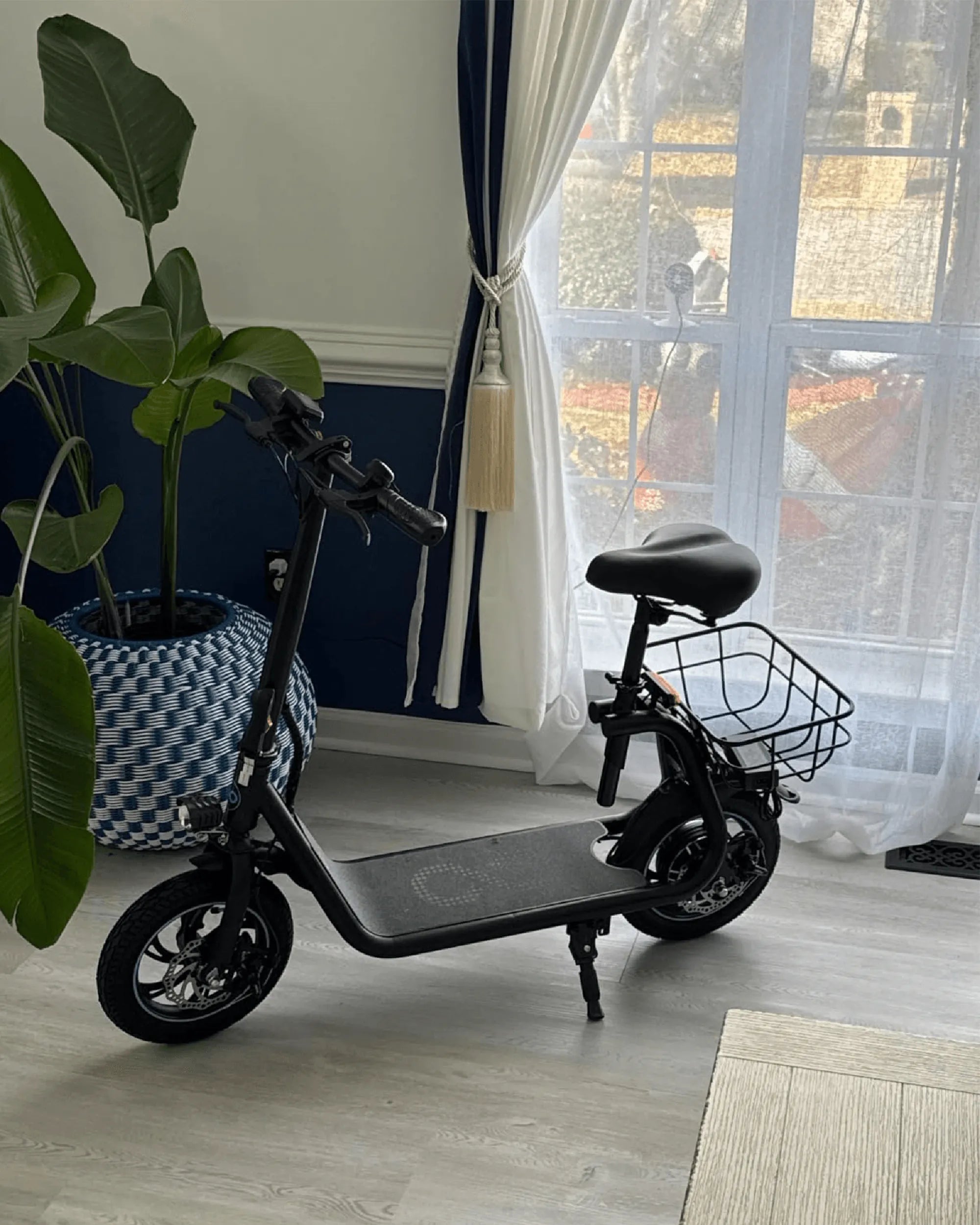
Electric bikes have surged in popularity, offering a convenient and eco-friendly way to commute, explore, and stay active. But one question lingers: do you get exercise on an electric bike? The answer might surprise you. While e-bikes provide pedal assistance, they still require physical effort, making them a viable option for fitness enthusiasts and casual riders alike. Let’s dive into the science, benefits, and myths surrounding e-bike workouts.
How Electric Bikes Work
Electric bikes, or e-bikes, are equipped with a motor that assists the rider’s pedaling effort. Depending on the model, the motor can provide varying levels of support, from minimal assistance to near-effortless cruising. However, even with motorized help, riders must still pedal to engage the system. This means that while e-bikes reduce the strain of cycling, they don’t eliminate physical activity entirely.
The Science Behind E-Bike Exercise
Research shows that riding an e-bike can indeed provide a moderate workout. A study published in the International Journal of Behavioral Nutrition and Physical Activity found that e-bike riders experienced cardiovascular benefits similar to those of traditional cyclists, albeit at a slightly lower intensity. The key takeaway? E-bikes encourage movement, which is better than no exercise at all.
Calories Burned on an E-Bike
While you won’t burn as many calories as you would on a conventional bike, e-biking still torches energy. On average, a 30-minute e-bike ride can burn between 150 to 300 calories, depending on the rider’s weight, terrain, and assistance level. Turning down the motor support or tackling hills can increase the workout intensity.
Health Benefits of E-Biking
Regular e-bike use offers numerous health advantages, including:
- Improved cardiovascular health: Even light pedaling strengthens the heart and lungs.
- Enhanced muscle tone: Pedaling engages the legs, core, and even upper body to a degree.
- Mental well-being: Outdoor activity reduces stress and boosts mood.
- Increased mobility: E-bikes make cycling accessible to those with joint issues or limited stamina.
E-Bikes vs. Traditional Bikes: Which Is Better for Fitness?
Traditional bikes demand more physical effort, making them superior for intense workouts. However, e-bikes excel in consistency and accessibility. Many people who wouldn’t cycle otherwise find e-bikes inviting, leading to more frequent rides. Over time, this consistency can outweigh the higher intensity of traditional biking for some individuals.
Maximizing Your E-Bike Workout
To get the most exercise out of your e-bike, try these tips:
- Reduce motor assistance: Use lower power settings to challenge yourself.
- Take longer rides: Distance compensates for lower intensity.
- Incorporate hills: Climbing engages more muscles and boosts heart rate.
- Track your progress: Use fitness apps to monitor speed, distance, and calories burned.
Debunking E-Bike Exercise Myths
Some believe e-bikes are “cheating” or offer no fitness benefits. The truth? While they’re less strenuous than traditional bikes, they’re far from passive. Riders still expend energy, and the accessibility of e-bikes encourages more people to stay active—especially those who might avoid cycling due to fitness limitations.
Who Benefits Most from E-Bike Exercise?
E-bikes are ideal for:
- Commuter: Turn your daily ride into a light workout.
- Seniors: Stay active without overexertion.
- Recovering athletes: Maintain fitness during rehabilitation.
- Beginners: Build stamina before transitioning to traditional bikes.
So, do you get exercise on an electric bike? Absolutely! While it’s not as intense as traditional cycling, e-biking keeps you moving, burns calories, and improves overall health. Whether you’re looking for a low-impact workout or a fun way to stay active, hopping on an e-bike is a step in the right direction. Ready to pedal your way to better fitness? The road awaits!
8000w Electric Bike Speed: Unleashing the Power of High-Performance E-Bikes
Can You Use an Electric Bike in the Rain? Exploring Safety and Performance