

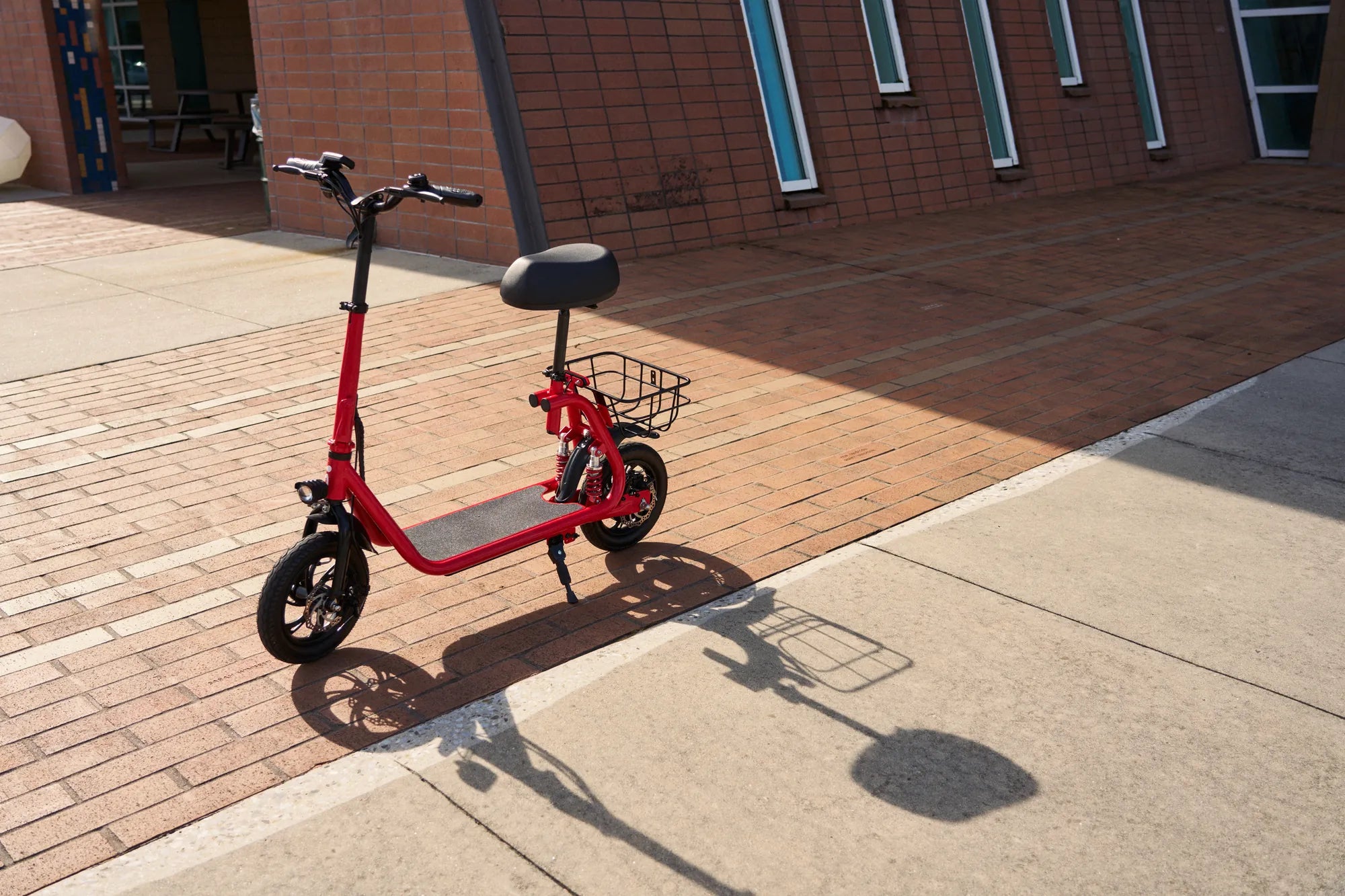
Electric bikes (ebikes) have revolutionized the way we commute, exercise, and explore. But one question lingers in the minds of many potential riders: Do you have to pedal an ebike? The answer isn't as straightforward as you might think. Let's dive into the mechanics, regulations, and practicalities of ebike riding to uncover the truth.
How Do Ebikes Work?
Ebikes are equipped with an electric motor that assists the rider's pedaling effort. Depending on the model, the motor can either provide a boost while you pedal or propel the bike entirely on its own. However, most ebikes fall into one of two categories:
- Pedal-Assist Ebikes: These require the rider to pedal to activate the motor. The motor provides varying levels of assistance, making pedaling easier.
- Throttle-Controlled Ebikes: These allow the rider to engage the motor without pedaling, similar to a scooter or motorcycle.
Do You Always Need to Pedal?
The short answer is: it depends. If you're riding a pedal-assist ebike, you'll need to pedal to engage the motor. The motor won't work unless you're actively pedaling. On the other hand, throttle-controlled ebikes let you ride without pedaling, though some models may still require occasional pedaling to conserve battery life.
Legal Considerations
Laws regarding ebikes vary by region. In many places, throttle-controlled ebikes are classified differently than pedal-assist models and may be subject to stricter regulations. For example:
- Some jurisdictions limit throttle-controlled ebikes to lower speeds.
- Others require riders to pedal at least occasionally to qualify as an ebike rather than a motor vehicle.
Always check local laws to ensure compliance and avoid fines.
Benefits of Pedaling on an Ebike
Even if your ebike doesn't require pedaling, there are compelling reasons to do so:
- Extended Battery Life: Pedaling reduces the strain on the motor, allowing you to ride farther on a single charge.
- Health Benefits: Combining motor assistance with pedaling provides a low-impact workout, improving cardiovascular health and stamina.
- Better Control: Pedaling helps maintain balance and control, especially on uneven terrain.
When You Might Not Want to Pedal
There are scenarios where relying solely on the motor makes sense:
- Long Commutes: If you're traveling a significant distance, conserving energy by using the throttle can be practical.
- Physical Limitations: Riders with injuries or mobility issues may prefer throttle-only operation.
- Steep Hills: On particularly challenging inclines, the motor can take over to prevent exhaustion.
Choosing the Right Ebike for You
When selecting an ebike, consider how much you want to pedal:
- If you enjoy cycling but want assistance, a pedal-assist model is ideal.
- If you prefer minimal effort, a throttle-controlled ebike might be better.
Test-riding different styles can help you determine which suits your needs.
So, do you have to pedal an ebike? The choice is yours—whether you want a workout, a leisurely ride, or a bit of both, ebikes offer flexibility to match your lifestyle. Ready to hit the road? Your perfect ride awaits!
Fat Tire Dirt Bike for Sale: The Ultimate Off-Road Adventure Machine
E Bike Tires 20 x 3: The Ultimate Guide to Performance and Durability