



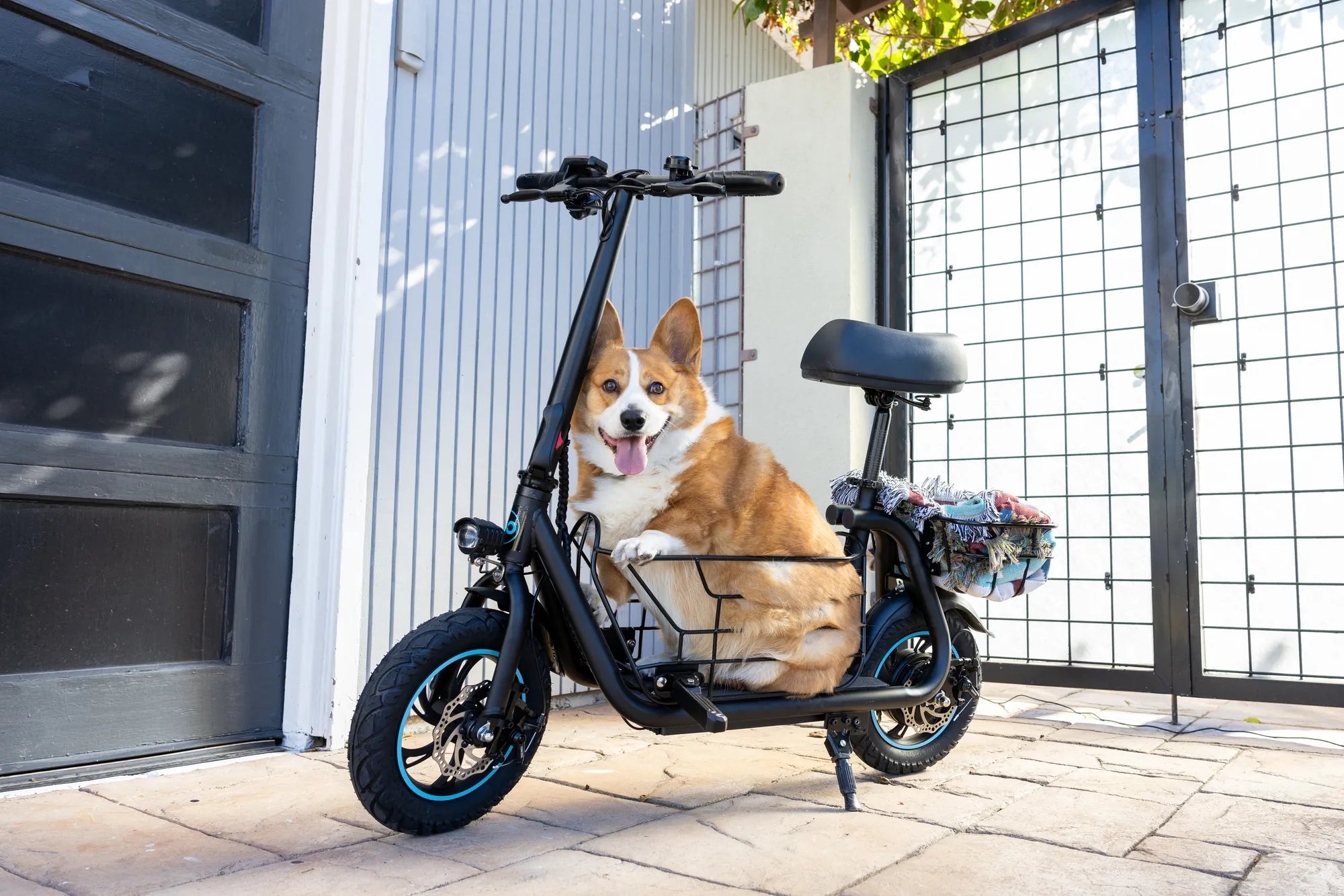
Electric bikes, or e-bikes, have surged in popularity as a convenient and eco-friendly mode of transportation. But with their growing use, many riders are left wondering: do you need a driver's license for an e-bike? The answer isn't as straightforward as you might think. Laws vary by region, e-bike classification, and even local ordinances. Let's dive into the details to clear up the confusion.
Understanding E-Bike Classifications
Before addressing licensing requirements, it's essential to understand how e-bikes are classified. Most regions categorize e-bikes into three main classes:
- Class 1: Pedal-assist only, with no throttle, and a maximum assisted speed of 20 mph.
- Class 2: Throttle-assisted, with a maximum speed of 20 mph.
- Class 3: Pedal-assist only, with a maximum assisted speed of 28 mph.
These classifications often determine whether a driver's license is required. For example, Class 1 and 2 e-bikes are typically treated like traditional bicycles, while Class 3 may have stricter regulations.
Do You Need a Driver's License for an E-Bike?
The short answer is: it depends on where you live. Here's a breakdown of how different regions handle e-bike licensing:
United States
In the U.S., federal law defines e-bikes as bicycles if they meet specific criteria (e.g., motor wattage and speed limits). Most states follow this definition, meaning no driver's license is required for Class 1 and 2 e-bikes. However, some states, like Alabama, require a license for certain e-bike classes. Always check your local laws.
European Union
The EU regulates e-bikes under the Electrically Power Assisted Cycles (EPAC) standard. E-bikes with a motor output of up to 250W and a speed limit of 15.5 mph (25 km/h) are treated as bicycles and do not require a license. Faster or more powerful models may need registration and a license.
Canada
Canada's rules vary by province. In most cases, e-bikes with a maximum speed of 20 mph (32 km/h) and a motor under 500W are considered bicycles and do not require a license. However, some provinces, like Quebec, have additional restrictions.
Australia
Australia classifies e-bikes as pedalecs if they meet specific power and speed limits (250W motor, 15.5 mph or 25 km/h). These do not require a license. Higher-powered e-bikes may be classified as motorcycles, requiring registration and a license.
Why Licensing Requirements Vary
Licensing laws for e-bikes are influenced by several factors, including:
- Safety concerns: Faster e-bikes pose higher risks, prompting stricter regulations.
- Infrastructure: Regions with robust bike lanes may have looser rules.
- Legal precedents: Some areas adapt existing bicycle or motorcycle laws to e-bikes.
Understanding these factors can help you navigate local regulations more effectively.
What Happens If You Ride Without a License?
If your e-bike requires a license and you ride without one, you could face:
- Fines or penalties
- Confiscation of the e-bike
- Legal consequences, especially in accidents
Always verify your local laws to avoid these risks.
Tips for E-Bike Riders
Whether or not you need a license, follow these tips for a safe and legal ride:
- Wear a helmet, even if not legally required.
- Obey traffic laws and bike lane rules.
- Check your e-bike's classification and local regulations.
- Consider insurance for added protection.
E-bikes offer a fantastic way to commute, exercise, and reduce your carbon footprint. But before you hit the road, make sure you're riding legally. The rules may surprise you, and staying informed is the key to a hassle-free ride.
Ebike Exercise: The Perfect Blend of Fitness and Fun
E Bike 26 Inch Fat Tire: The Ultimate Guide to Off-Road Adventure