

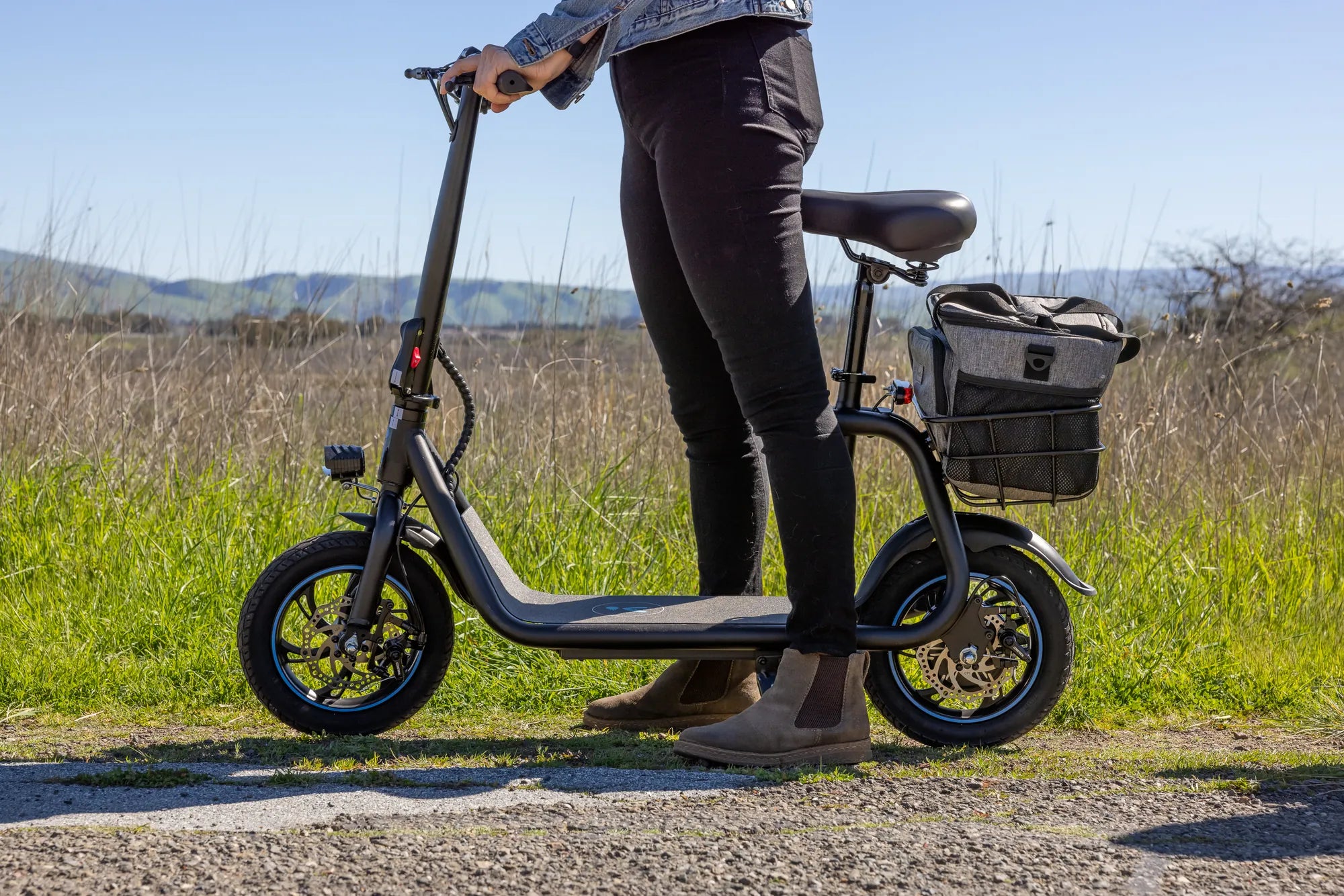
Electric bikes are revolutionizing urban transportation, offering an eco-friendly and efficient way to navigate cities. But as their popularity surges, so do questions about regulations—especially whether you need a driver's license to ride one. The answer isn't as straightforward as you might think, and it largely depends on where you live and the type of e-bike you're using.
Understanding Electric Bike Classifications
Before diving into licensing requirements, it's crucial to understand how electric bikes are classified. Most regions categorize e-bikes into three main classes:
- Class 1: Pedal-assist only, with no throttle, and a maximum speed of 20 mph.
- Class 2: Throttle-assisted, with a maximum speed of 20 mph.
- Class 3: Pedal-assist only, with a maximum speed of 28 mph.
These classifications often determine whether a driver's license is required. In many areas, Class 1 and 2 e-bikes are treated similarly to traditional bicycles, while Class 3 e-bikes may have stricter regulations.
Do You Need a Driver's License for an Electric Bike in the U.S.?
In the United States, federal law classifies e-bikes as bicycles if they meet certain criteria, such as having a motor under 750 watts and a top speed of 20 mph. Under this definition, no driver's license is required. However, state laws can vary:
- California: No license is needed for Class 1 and 2 e-bikes, but riders of Class 3 e-bikes must be at least 16 years old.
- New York: No license is required for any class of e-bike, but helmets are mandatory for all riders.
- Texas: E-bikes are treated like bicycles, so no license is needed.
Always check your local laws, as some cities or counties may have additional restrictions.
International Regulations: A Mixed Bag
Outside the U.S., the rules can be quite different. Here's a quick overview:
- Canada: Most provinces treat e-bikes like bicycles if they meet specific power and speed limits. No license is required in most cases.
- European Union: E-bikes with a motor under 250 watts and a top speed of 15.5 mph (25 km/h) are considered bicycles and don't require a license. Faster models may need registration.
- Australia: Laws vary by state, but generally, e-bikes under 250 watts and 15.5 mph are license-free.
Why the Confusion Exists
The lack of uniformity in e-bike regulations stems from how quickly the technology has evolved. Many laws were written before e-bikes became mainstream, leading to outdated or ambiguous rules. As a result, riders must stay informed about local updates to avoid fines or legal trouble.
Safety First: Even If You Don't Need a License
Whether or not you need a driver's license, safety should always be a priority. Here are some tips for responsible e-bike riding:
- Wear a helmet, even if it's not legally required.
- Follow traffic laws, including signaling turns and obeying stop signs.
- Use bike lanes where available to reduce conflicts with cars.
- Regularly maintain your e-bike to ensure brakes and lights are functioning properly.
Electric bikes offer a fantastic way to reduce your carbon footprint and avoid traffic, but knowing the rules is key to enjoying them safely. Whether you're a seasoned rider or just starting out, staying informed will help you hit the road with confidence.
Ready to embrace the e-bike lifestyle? Now that you know the licensing requirements, it's time to explore the freedom and fun that electric biking brings—without the hassle of a driver's license in most cases!
Electric Bike for Short Women: The Ultimate Guide to Finding the Perfect Fit
Folding E-Scooter Comparison: Which One Fits Your Lifestyle?