


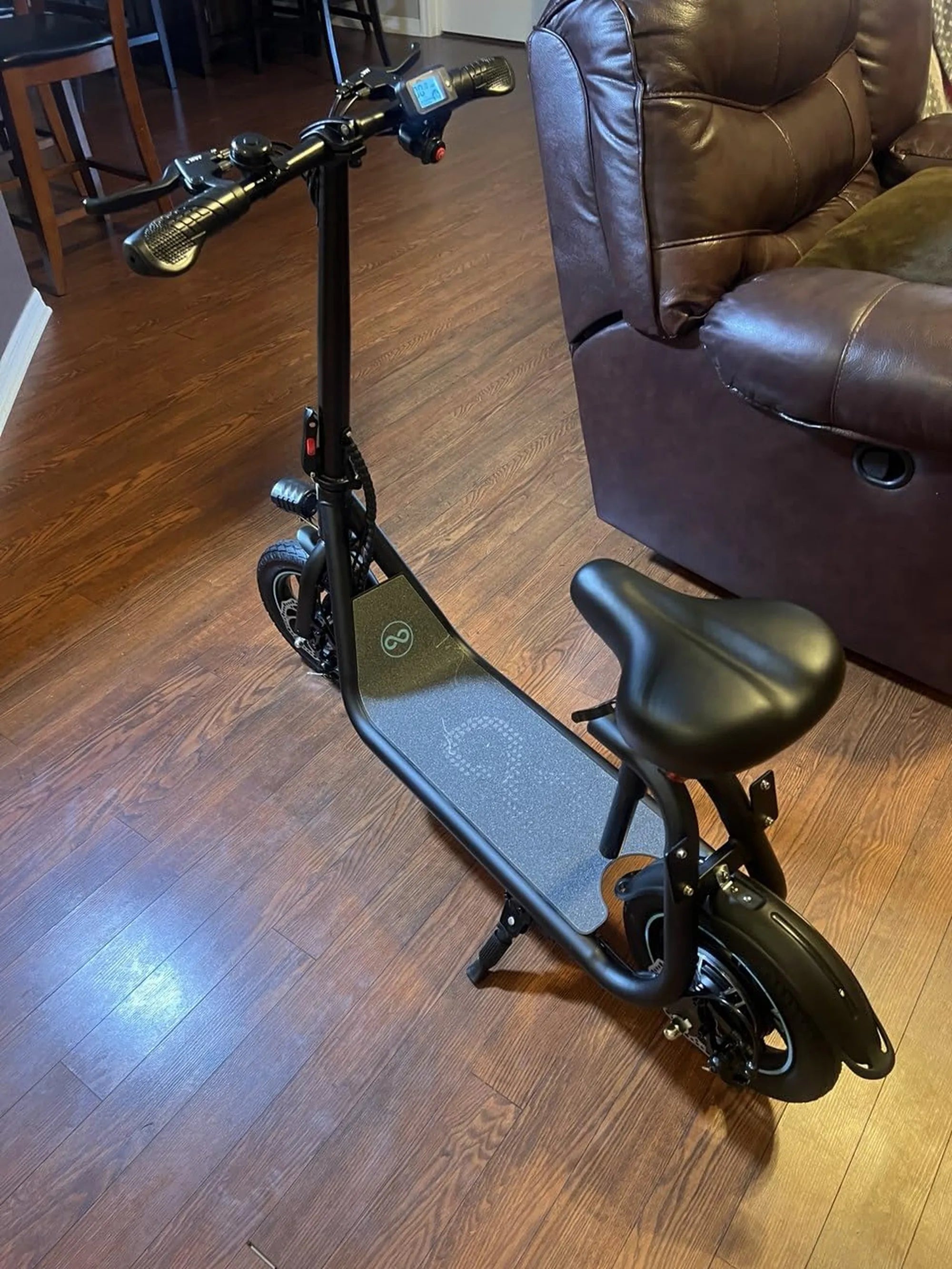
Electric bikes are revolutionizing urban mobility, offering a greener and more efficient way to navigate crowded streets. But as their popularity soars, one question keeps popping up: Do you need a driver's license to drive an electric bike? The answer isn't as straightforward as you might think, and it depends on where you live and the type of e-bike you're riding. Let's dive into the details to clear up the confusion.
Understanding Electric Bike Classifications
Before determining whether a driver's license is required, it's essential to understand how electric bikes are classified. Most regions categorize e-bikes into three main classes:
- Class 1: Pedal-assist only, with a maximum speed of 20 mph (32 km/h).
- Class 2: Throttle-assisted, with a maximum speed of 20 mph (32 km/h).
- Class 3: Pedal-assist only, with a maximum speed of 28 mph (45 km/h).
These classifications play a significant role in determining whether a driver's license is necessary. In many places, Class 1 and Class 2 e-bikes are treated similarly to traditional bicycles, meaning no license is required. However, Class 3 e-bikes often face stricter regulations.
Legal Requirements by Region
The laws surrounding e-bikes vary widely depending on your location. Here's a breakdown of the general rules in different regions:
United States
In the U.S., federal law defines e-bikes as bicycles if they meet specific criteria (e.g., motor power under 750 watts and speed limits). Most states follow this definition, meaning no driver's license is required for Class 1 and Class 2 e-bikes. However, some states impose additional restrictions, such as helmet requirements or age limits for Class 3 e-bikes.
European Union
The EU classifies e-bikes as "pedelecs" if they provide assistance only up to 25 km/h (15.5 mph) and have a motor under 250 watts. These bikes are treated like regular bicycles and don't require a license. However, faster e-bikes (called "speed pedelecs") may require registration, insurance, and a driver's license in some countries.
Canada
Canada's rules are similar to those in the U.S. and EU. Most provinces allow e-bikes with motors under 500 watts and speeds under 32 km/h (20 mph) to be ridden without a license. However, some provinces require riders to be at least 16 years old and wear helmets.
Australia
Australia has stricter regulations, with most states requiring e-bikes to have motors under 250 watts and speed limits of 25 km/h (15.5 mph) to avoid licensing. Faster e-bikes may be classified as motorcycles, requiring registration and a license.
Why the Confusion Exists
The confusion around licensing requirements stems from the rapid evolution of e-bike technology and the slow pace of regulatory updates. Many laws were written before e-bikes became mainstream, leading to inconsistencies. Additionally, some regions treat higher-powered e-bikes as mopeds or motorcycles, which do require licenses.
Safety Considerations
Even if your area doesn't require a driver's license for e-bikes, safety should always be a priority. Here are some tips for safe riding:
- Wear a helmet, even if it's not legally required.
- Follow traffic laws and signals.
- Use bike lanes where available.
- Be mindful of pedestrians and other cyclists.
The Future of E-Bike Regulations
As e-bikes continue to grow in popularity, lawmakers are working to update regulations to keep pace with technology. Some regions are considering new classifications or licensing requirements for high-speed e-bikes, while others are focusing on infrastructure improvements to accommodate the surge in riders.
So, do you need a driver's license to drive an electric bike? The answer depends on where you live and the type of e-bike you choose. But one thing is certain: e-bikes are here to stay, and understanding the rules will help you ride with confidence and peace of mind. Whether you're commuting to work or exploring scenic trails, knowing the legal requirements ensures a smooth and hassle-free experience.
Quality Matte E-Scooter: The Ultimate Guide to Stylish and Durable Commuting
Highline Light Up Electric Scooter: The Future of Urban Commuting