



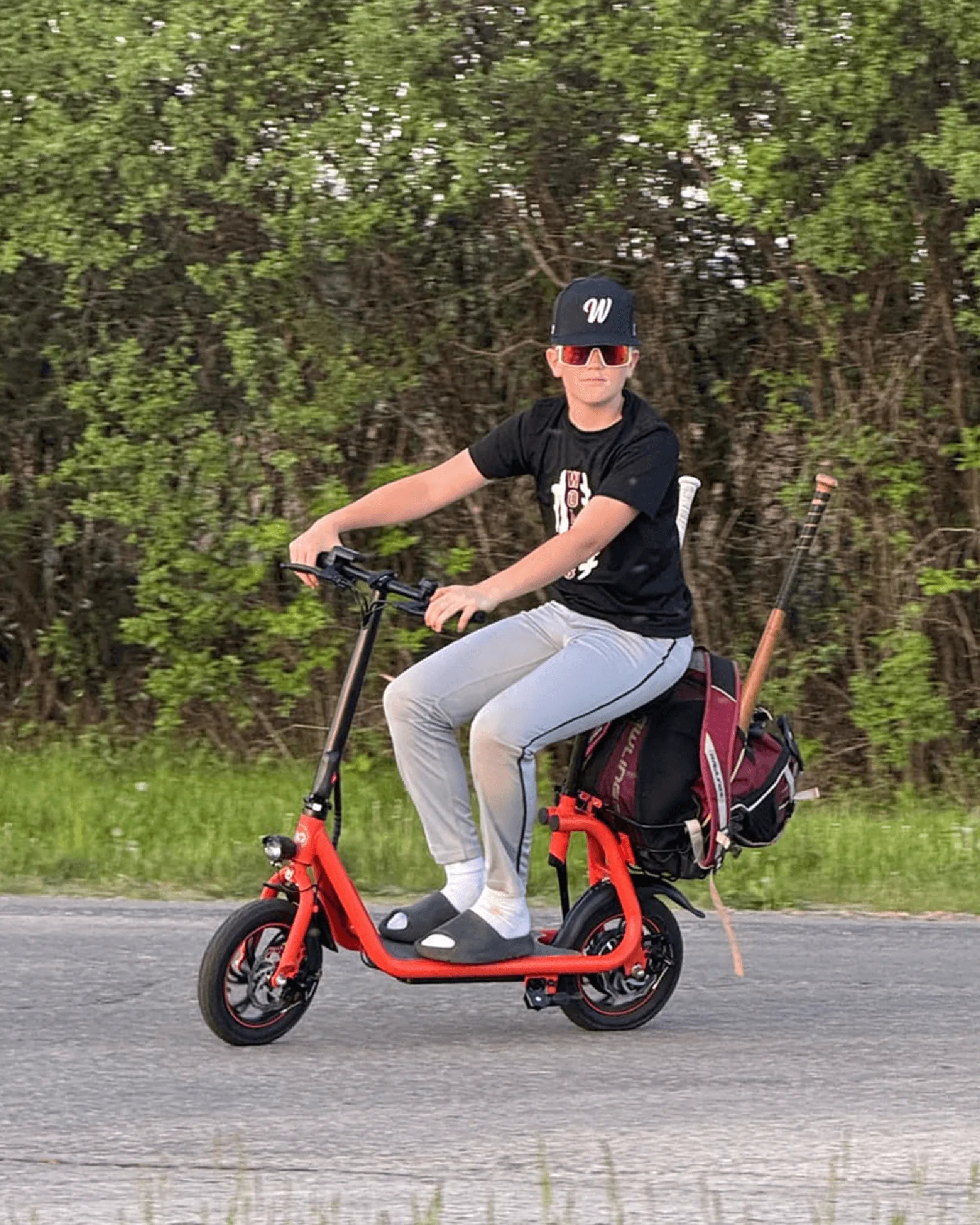
Electric bikes, or ebikes, have revolutionized urban commuting and recreational cycling. Among the various classifications, Class 3 ebikes stand out for their higher speed capabilities. But with greater speed comes greater responsibility—and often, more questions. One of the most common queries is: Do you need a license for a Class 3 ebike? The answer isn’t always straightforward, as regulations vary by location. Let’s dive into the details to help you stay compliant and ride confidently.
Understanding Class 3 Ebikes
Class 3 ebikes are defined by their ability to reach speeds of up to 28 mph with pedal assistance. Unlike Class 1 and Class 2 ebikes, which are limited to 20 mph, Class 3 models are designed for faster commuting. However, this increased speed often places them in a regulatory gray area. While they are still classified as bicycles in many jurisdictions, some regions impose additional requirements, such as licensing, registration, or age restrictions.
Licensing Requirements for Class 3 Ebikes
In most cases, you do not need a license to operate a Class 3 ebike. However, there are exceptions. For example, certain states or countries may treat Class 3 ebikes similarly to mopeds or motorcycles, requiring a driver’s license, registration, or even insurance. It’s crucial to check local laws before hitting the road. Below are some key factors to consider:
- Location: Regulations differ by state, province, or country. Some areas classify Class 3 ebikes as bicycles, while others impose stricter rules.
- Age Restrictions: Many regions require riders to be at least 16 or 18 years old to operate a Class 3 ebike.
- Helmet Laws: Helmets are often mandatory for Class 3 ebike riders, even if they aren’t required for slower ebikes.
- Road Access: Some areas restrict Class 3 ebikes from bike paths or trails, limiting them to roads.
Why Licensing Laws Vary
The lack of uniformity in ebike regulations stems from how quickly the technology has evolved. Traditional bicycle laws weren’t designed to account for motor-assisted bikes, leaving lawmakers to adapt. Some regions have embraced Class 3 ebikes as eco-friendly transportation, while others remain cautious due to safety concerns. This patchwork of laws can be confusing, but staying informed is the best way to avoid legal trouble.
How to Stay Compliant
To ensure you’re riding legally, follow these steps:
- Research Local Laws: Check your state or country’s transportation department website for the latest ebike regulations.
- Consult a Dealer: Reputable ebike sellers often have up-to-date information on local requirements.
- Wear Protective Gear: Even if not required by law, helmets and reflective clothing enhance safety.
- Respect Speed Limits: Stick to posted speed limits, especially in areas where Class 3 ebikes are restricted.
The Future of Class 3 Ebike Regulations
As ebikes become more prevalent, lawmakers are working to standardize regulations. Advocacy groups are pushing for clearer, more consistent rules to accommodate Class 3 ebikes without compromising safety. In the meantime, riders should stay vigilant and adapt to evolving laws.
Riding a Class 3 ebike offers freedom and efficiency, but it’s essential to know the rules. Whether you’re commuting or exploring, understanding licensing requirements ensures a smooth and legal ride. So, before you throttle up, take a moment to verify your local laws—it’s the smartest way to enjoy the thrill of a Class 3 ebike.
E Bike Battery Pack Market: Trends, Growth, and Future Outlook
E Bike Battery Pack Market: Trends, Growth, and Future Outlook