

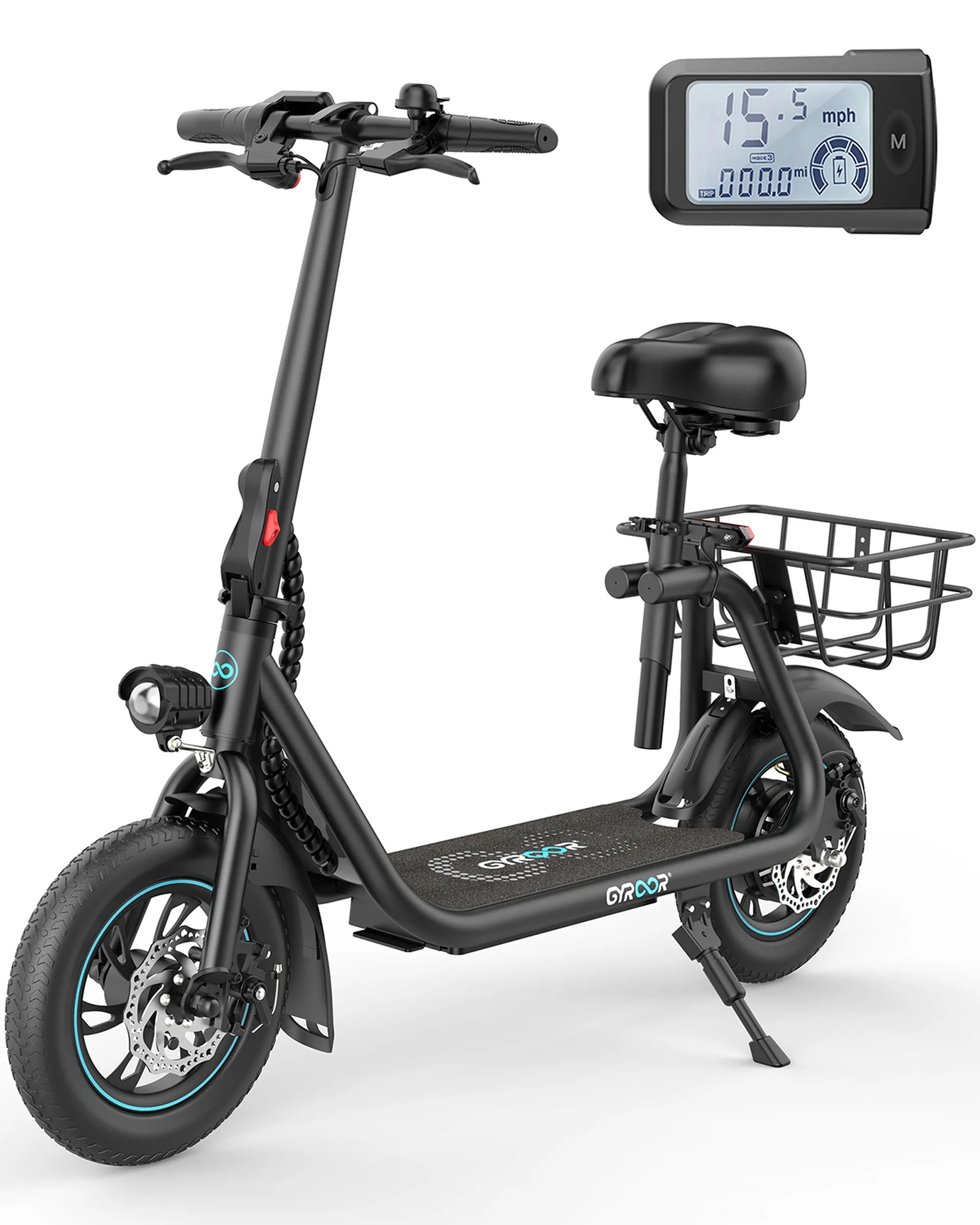
Electric bikes are taking the world by storm, offering an effortless way to commute, explore, and stay active. But if you've never ridden a traditional bicycle, you might be wondering: Do you need to know how to ride a bike to ride an electric bike? The answer isn't as straightforward as you might think, and understanding the nuances can make all the difference in your riding experience.
The Basics of Riding an Electric Bike
Electric bikes, or e-bikes, share many similarities with traditional bicycles. They have pedals, handlebars, and a similar frame structure. However, the key difference lies in the electric motor, which provides varying levels of assistance to make pedaling easier. This added power can be a game-changer for beginners, but it also introduces new considerations.
Similarities Between E-Bikes and Traditional Bikes
At their core, e-bikes function much like regular bikes. You still need to balance, steer, and brake, which are fundamental skills for any cyclist. If you've never ridden a bike before, these basics will take some practice, regardless of whether the bike is electric or not.
Differences That Matter
The electric motor adds speed and power, which can be both a blessing and a challenge. For someone who has never ridden a bike, the sudden acceleration might feel intimidating. On the other hand, the motor can help compensate for a lack of strength or stamina, making it easier to learn.
Learning to Ride an E-Bike Without Prior Experience
While it's possible to learn to ride an e-bike without knowing how to ride a traditional bike, it's not necessarily the easiest path. Here's why:
- Balance and Coordination: These skills are essential for any bike, and an e-bike won't eliminate the need for them.
- Speed Management: E-bikes can go faster with less effort, which requires careful control, especially for beginners.
- Braking: Heavier e-bikes may require more stopping distance, and sudden stops can be tricky for new riders.
Tips for First-Time E-Bike Riders
If you're starting from scratch, consider these tips to build confidence:
- Start in a safe, open area with minimal traffic.
- Begin with the lowest power setting to get a feel for the bike.
- Practice braking gently to understand how the bike responds.
- Wear protective gear, including a helmet, knee pads, and gloves.
Safety Considerations for New E-Bike Riders
Safety should always be a top priority, especially for those new to cycling. E-bikes introduce unique risks, such as higher speeds and heavier frames, which can increase the severity of accidents. Understanding local traffic laws and e-bike classifications is also crucial, as regulations vary by region.
Common Mistakes to Avoid
New riders often make these errors when transitioning to e-bikes:
- Overestimating their ability to control speed.
- Ignoring the importance of regular maintenance.
- Riding in traffic before mastering basic skills.
The Verdict: Is Prior Biking Experience Necessary?
While you don't need to know how to ride a traditional bike to ride an e-bike, it certainly helps. The foundational skills of balancing, steering, and braking are universal, and learning them on a lighter, non-electric bike can make the transition smoother. However, with patience and practice, even complete beginners can enjoy the benefits of e-biking.
Electric bikes open up a world of possibilities, whether you're looking for a greener commute or a fun way to stay active. While prior biking experience isn't mandatory, taking the time to learn proper techniques will ensure a safer and more enjoyable ride. So, why not give it a try? The road ahead is waiting—powered or not.
Electric Motorcycle Bike for Adults: The Future of Urban Commuting
24V Electric Bike: The Ultimate Guide to Affordable and Efficient Commuting