

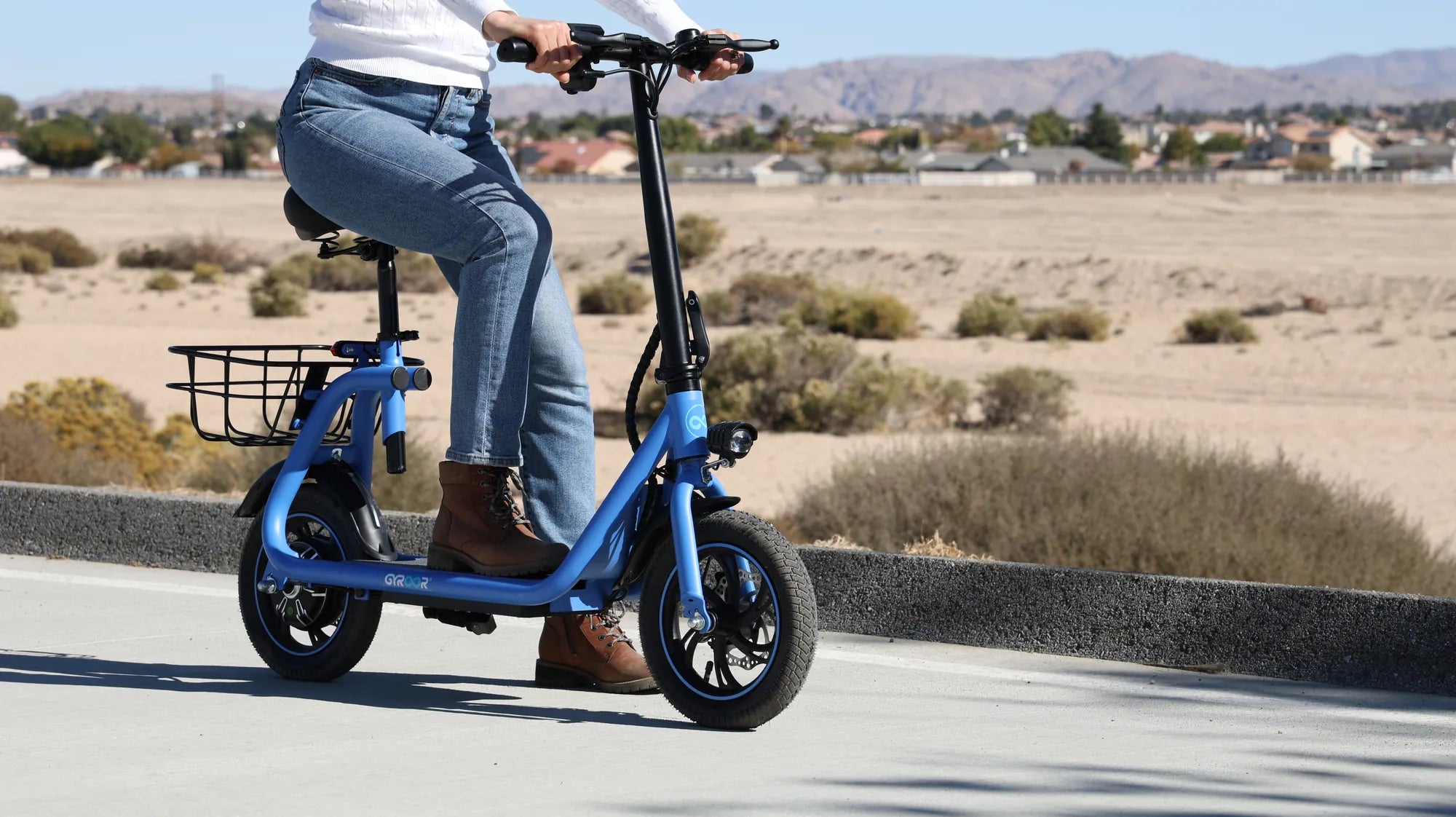
Electric bikes (ebikes) are revolutionizing urban transportation, offering an eco-friendly and efficient way to commute. But as their popularity grows, so does the confusion around licensing requirements. Do you need a license to ride an ebike? The answer isn't as straightforward as you might think. Let's dive into the legal landscape to help you stay on the right side of the law.
What Is an Ebike?
Before discussing licensing, it's essential to understand what qualifies as an ebike. Generally, an ebike is a bicycle equipped with an electric motor that assists with pedaling. However, different regions have specific definitions based on factors like motor power, speed capabilities, and whether the motor operates only when pedaling.
Ebike Classifications and Licensing
Most countries categorize ebikes into classes to determine whether a license is required. Here's a breakdown of common classifications:
- Class 1: Pedal-assist only, with no throttle, and a maximum speed of 20 mph (32 km/h). Typically, no license is required.
- Class 2: Throttle-assisted, with a maximum speed of 20 mph (32 km/h). Licensing requirements vary by region.
- Class 3: Pedal-assist only, with a maximum speed of 28 mph (45 km/h). Some regions may require a license or registration.
Regional Regulations
Licensing requirements for ebikes differ significantly depending on where you live. Below are some general guidelines:
United States
In the U.S., federal law defines ebikes as bicycles if they meet specific criteria (e.g., motor power under 750W and speed under 20 mph). Most states follow this classification, meaning no license is required for Class 1 and 2 ebikes. However, Class 3 ebikes may face stricter rules in certain states.
European Union
The EU classifies ebikes as "pedelecs" if they have a motor under 250W and assist only up to 15.5 mph (25 km/h). These do not require a license. Faster or more powerful models may be treated as mopeds, necessitating registration and insurance.
Canada
Canada's regulations align closely with the U.S., with most provinces not requiring a license for ebikes under 500W and 20 mph (32 km/h). However, some provinces mandate helmets or age restrictions.
Asia and Other Regions
In countries like China and India, ebike laws are often stricter, with licenses required for higher-powered models. Always check local laws before riding.
Why Licensing Matters
Understanding whether your ebike requires a license is crucial for several reasons:
- Legal Compliance: Riding an unlicensed ebike where one is required can result in fines or confiscation.
- Safety: Licensing ensures riders are aware of traffic rules and safety protocols.
- Insurance: Some regions require insured ebikes, especially if they're classified as motor vehicles.
How to Check Your Local Laws
To avoid legal trouble, follow these steps:
- Consult your local Department of Motor Vehicles (DMV) or transportation authority.
- Review regional ebike classifications and speed/power limits.
- Check if helmets, insurance, or age restrictions apply.
Future of Ebike Licensing
As ebikes become more prevalent, regulations are evolving. Some cities are introducing dedicated lanes and updated laws to accommodate them. Staying informed will ensure you ride legally and safely.
Ready to hit the road with your ebike? Knowing the licensing requirements in your area is the first step to a hassle-free ride. Stay informed, stay safe, and enjoy the freedom of electric biking!
Why Is My Ebike Throttle Not Responding? Troubleshooting Guide
Which Ebike to Buy: A Comprehensive Guide to Choosing the Perfect Ride