


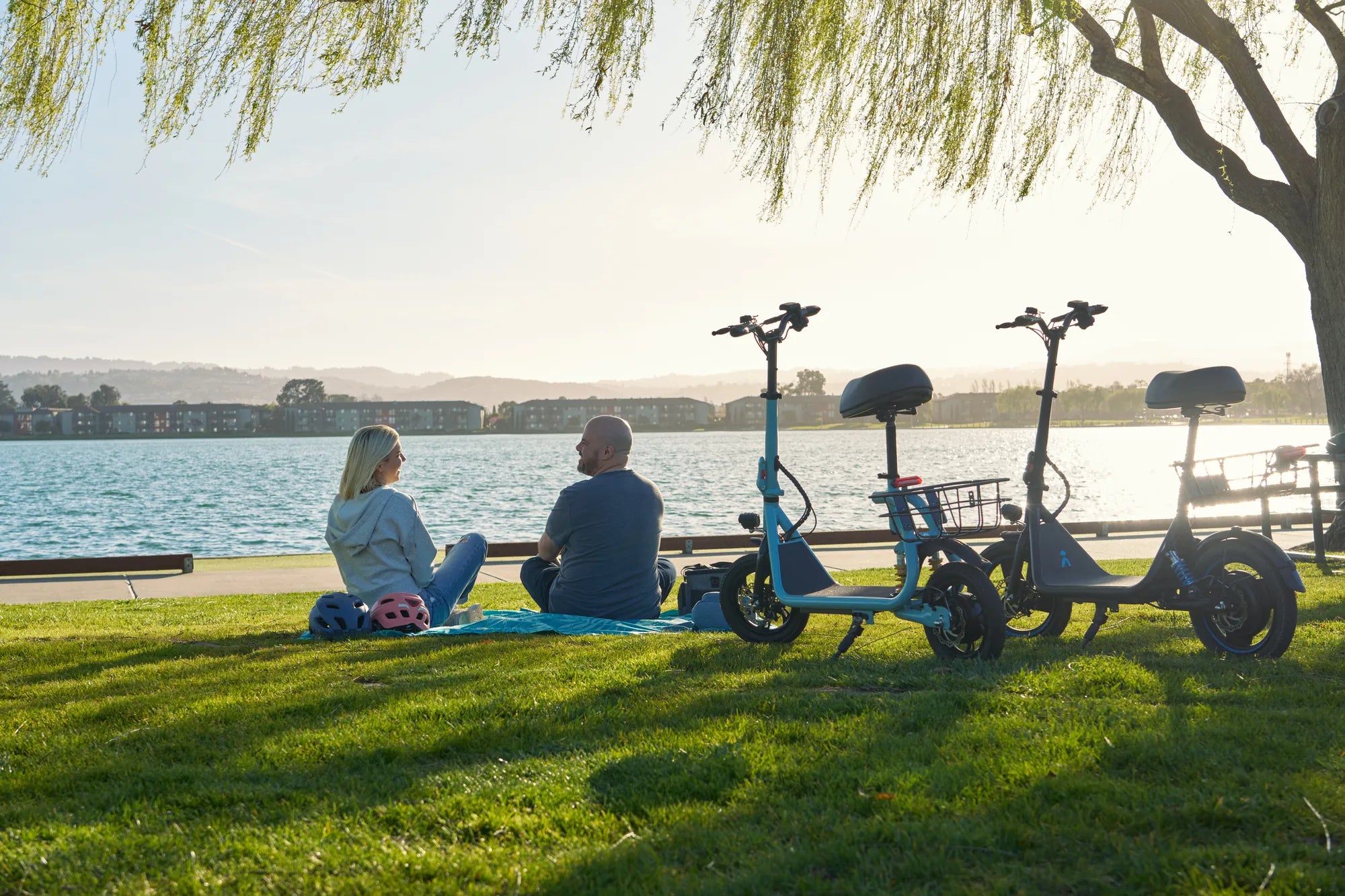
Electric bikes are revolutionizing urban transportation, offering an eco-friendly and efficient way to navigate cities. But as their popularity surges, so do questions about legal requirements. One of the most common queries is: does electric bike need license? The answer isn't as straightforward as you might think, with regulations varying significantly based on location, bike specifications, and intended use.
Understanding Electric Bike Classifications
Before diving into licensing requirements, it's crucial to understand how electric bikes are categorized. Most jurisdictions classify e-bikes based on their motor power and maximum assisted speed:
- Class 1: Pedal-assist only, no throttle, max speed of 20 mph
- Class 2: Throttle-assisted, max speed of 20 mph
- Class 3: Pedal-assist only, max speed of 28 mph
These classifications directly impact whether your electric bike needs a license. In most areas, Class 1 and 2 e-bikes are treated similarly to traditional bicycles, while Class 3 models often face stricter regulations.
License Requirements by Region
The legal landscape for electric bikes varies dramatically across different regions. Here's a breakdown of typical requirements:
United States Regulations
Federal law defines e-bikes as bicycles rather than motor vehicles, provided they meet specific criteria. However, individual states have the authority to impose additional requirements:
- Most states don't require licenses for Class 1 and 2 e-bikes
- Some states mandate licenses for Class 3 e-bikes
- A few states require registration for certain e-bike classes
European Union Standards
The EU generally follows the EPAC (Electrically Power Assisted Cycle) standard:
- Maximum continuous rated power of 250W
- Motor cuts off at 25 km/h (15.5 mph)
- No license required for compliant models
Age Restrictions and Other Legal Considerations
Even when a license isn't required, many jurisdictions impose age restrictions:
- Some areas prohibit riders under 16 from operating Class 3 e-bikes
- Helmet laws often vary by e-bike class
- Certain trails and bike paths may restrict e-bike access
When Might You Need a License?
Several factors could trigger licensing requirements for your electric bike:
- Modifications that increase speed or power beyond legal limits
- Using an e-bike for commercial purposes in some jurisdictions
- Operating certain high-powered models classified as mopeds or motorcycles
Staying Compliant with Local Laws
To ensure you're riding legally:
- Check your local Department of Transportation website
- Consult with local bike shops familiar with area regulations
- Review manufacturer specifications to confirm your e-bike's classification
As electric bikes continue to evolve, so will the regulations surrounding them. Staying informed about your local laws ensures you can enjoy the freedom of e-bike riding without unexpected legal complications. Whether you're commuting to work or exploring scenic routes, understanding license requirements lets you focus on the ride ahead.
Do You Pedal an Electric Bike? Exploring How E-Bikes Work
Best Custom Design E-Scooter: The Ultimate Guide to Personalizing Your Ride