



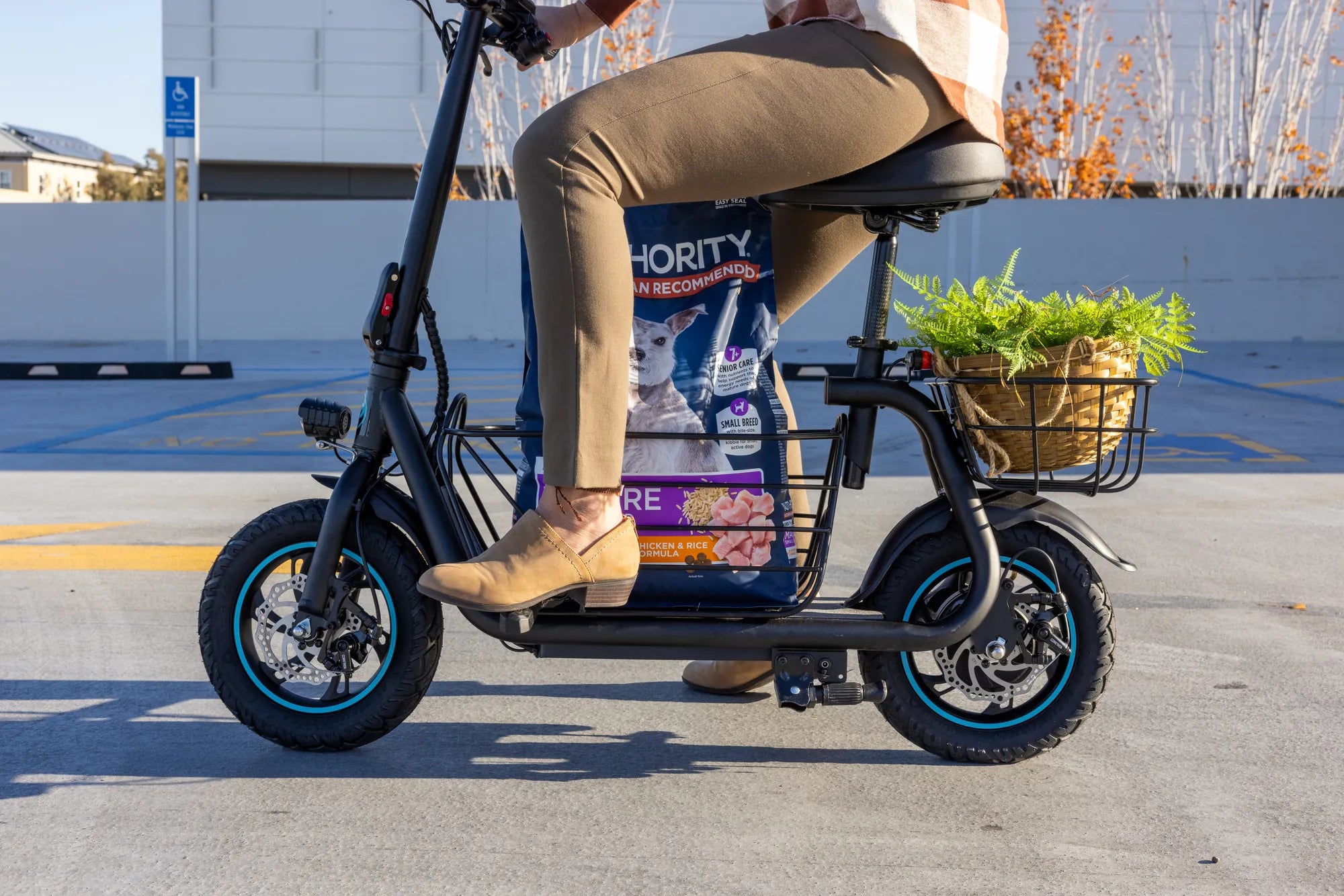
Introduction: The Rise of Micromobility in Pittsburgh
Pittsburgh's transportation identity is undergoing a remarkable evolution. Once defined by steel mills and industrial might, the city has transformed into a hub for technology, education, and innovation. This shift has paved the way for new ways to navigate its iconic rivers, bridges, and challenging topography.
The question "Does Pittsburgh have electric scooters?" is not just about availability; it's about understanding a dynamic new layer in the city's mobility fabric. The answer is a definitive yes. Pittsburgh has actively embraced electric scooters through structured pilot programs and now permanent initiatives, integrating them into a broader strategy to reduce car dependency and improve connectivity.
This article provides a detailed exploration of Pittsburgh's current micromobility scene. We will examine the key operators, navigate the essential rules and safety considerations for the city's unique terrain, and compare scooters to other options like bike share and public transit. Furthermore, we'll delve into the advantages of owning a personal, high-quality electric scooter for conquering Pittsburgh's hills with reliability and confidence.
Whether you're a resident considering a new commute option, a student looking for campus mobility, or a visitor wanting to explore, understanding the electric scooter landscape is key to moving around the Steel City efficiently and enjoyably.
The State of Electric Scooters in Pittsburgh: A Timeline and Current Operators
Pittsburgh's journey with shared electric scooters began with cautious experimentation. The city launched its first official pilot program in 2019, inviting multiple companies to operate in designated zones. This initial phase allowed the Department of Mobility and Infrastructure (DOMI) to study usage patterns, public feedback, and infrastructure needs.
The pilot's success led to a more permanent, regulated program. Today, electric scooter sharing operates under a permit system managed by DOMI. This framework ensures operators meet specific standards for safety, equity, data sharing, and parking compliance, creating a more orderly and integrated system for residents.
As of the latest updates, the shared scooter landscape in Pittsburgh is active and evolving. The city has moved to a model with a limited number of permitted operators to ensure quality control and manageable deployment. This approach prioritizes a reliable user experience and responsible integration into public space over a flood of unregulated devices.
The regulatory environment is grounded in Pennsylvania state law. Act 131 of 2020 formally legalized electric scooters (defined as devices with a motor under 750W and a max speed of 25 mph) for use on highways and bike lanes, giving cities like Pittsburgh the authority to establish their own local rules for shared operations and parking.
Key Players in the 'Burgh's Scooter Scene
The primary operator in Pittsburgh's current shared scooter ecosystem is Spin, a company owned by the mobility giant Tier. Spin won a permit to operate hundreds of scooters across the city. Their fleet is designed for urban durability and includes features like triple braking systems and larger decks for stable riding.
Spin's scooters are typically speed-governed to comply with local regulations, often capped at 15 mph in many areas. They are equipped with geofencing technology, which creates virtual boundaries to control where scooters can be ridden or parked, and can enforce slow-speed zones in crowded areas like Market Square or near hospitals.
Operation is entirely app-based. Users download the Spin app, locate an available scooter on the map, scan its QR code to unlock, and pay by the minute. Rides must end in a designated virtual parking zone or a responsible physical location that doesn't block sidewalks, ramps, or building entrances.
It's important for users to check the latest status via the DOMI website or operator apps, as the competitive landscape for permits can change. The city's structured approach aims to maintain a consistent, safe, and accessible service for all neighborhoods.
Navigating the Rules: Pittsburgh's E-Scooter Regulations & Safety
Riding an electric scooter in Pittsburgh, whether shared or personal, comes with a clear set of rules designed for everyone's safety. Adherence to these regulations is not just about avoiding fines; it's about being a respectful part of the city's transportation ecosystem and ensuring the long-term success of micromobility options.
At the state level, riders must be at least 16 years old. Helmets are legally required for all riders under 18 years of age. For adults, while not mandated by law, wearing a helmet is unequivocally the single most important safety decision you can make and is strongly recommended by the city and health professionals.
Impaired riding—operating a scooter under the influence of alcohol or drugs—is illegal and exceptionally dangerous. Furthermore, most shared scooter company agreements prohibit use by intoxicated individuals. These rules exist to protect you, pedestrians, and other road users.
Understanding and following these guidelines ensures that e-scooters remain a positive addition to Pittsburgh's streets. Responsible riding today helps secure the future expansion and acceptance of these convenient mobility tools.
Where to Ride and Where to Park
Where you ride is clearly defined. Electric scooters are permitted on bike lanes and on roads with speed limits of 35 mph or lower. They are prohibited on sidewalks in business districts and anywhere their use would endanger pedestrians. Riding on park trails or the Three Rivers Heritage Trail system is generally not allowed unless specifically posted.
Parking is a critical component of the city's program. The era of leaving scooters anywhere is over. Riders must conclude their trip in a designated "corral" or a responsible location. The Spin app uses geofenced parking zones; you cannot end your ride and be charged unless the scooter is placed in one of these approved areas.
What constitutes responsible parking? The scooter must be upright and out of the clear path of travel on the sidewalk, ensuring at least a 6-foot clearance for pedestrians, especially those with disabilities or using mobility aids. Never block building entrances, bus stops, curb ramps, fire hydrants, or accessible parking spaces.
Failure to park properly can result in fines from the operator and jeopardizes the city's permit program. Proper parking is a shared responsibility that keeps sidewalks safe and accessible for all.
Safety Tips for Pittsburgh's Unique Terrain
Pittsburgh's charm is also its challenge: hills, brick streets, weather changes, and streetcar tracks demand an attentive rider. First, always test the brakes before starting your descent on a steep hill like Canton Avenue or Rialto Street. Use both brakes smoothly and evenly to control speed without locking wheels.
Wet conditions are a major hazard. Metal surfaces like bridge grates, manhole covers, and streetcar tracks become extremely slippery. Avoid sudden turns or braking on them. Cross streetcar tracks at as close to a 90-degree angle as possible to prevent your wheel from getting caught in the groove.
Be hyper-aware in traffic. Assume cars may not see you. Use hand signals for turns, make eye contact with drivers at intersections, and never weave between parked cars. At night, ensure your scooter's lights are on and consider adding reflective gear to increase your visibility.
Finally, perform a quick pre-ride check on shared scooters: test the throttle and brake response, ensure the tires look firm, and check that the handlebars are secure. A few seconds of inspection can prevent an accident. For personal scooter owners, regular maintenance is key to safety on demanding terrain.
Electric Scooters vs. Other Pittsburgh Micromobility Options
Electric scooters are one piece of a larger puzzle. Pittsburgh offers a robust menu of micromobility choices, each with distinct advantages. The right choice depends on trip distance, terrain, cost, and personal preference. Understanding the trade-offs helps you select the optimal tool for your journey across the city.
Pittsburgh's official bike-share program, POGOH, offers a network of hundreds of classic pedal bikes and a growing fleet of electric-assist bikes (e-bikes) at docking stations across the city. This provides a structured alternative, particularly for longer trips or riders who prefer the exercise and stability of a bicycle.
For the truly personal and on-demand experience, ownership of a private e-scooter or e-bike eliminates the hunt for an available shared device. It guarantees your ride is ready when you are, can be customized with accessories, and often offers superior performance and range compared to shared fleet models.
The following table provides a clear, data-driven comparison to help you evaluate these primary options for a typical urban trip in Pittsburgh.
| Feature | Shared E-Scooter (e.g., Spin) | POGOH Bike Share (E-Bike) | Personal E-Scooter (e.g., Gyroor) |
|---|---|---|---|
| Upfront Cost | None (Pay-per-ride) | None (Pay-per-ride or Membership) | $$$ (One-time purchase) |
| Typical Trip Cost | ~$1 unlock + $0.39/min | $2.50/30min (e-bike) or membership plans | Pennies per charge after purchase |
| Availability/Convenience | App-based, find nearby; subject to battery/deployment | Docked stations; must find & return to station | Always at your doorstep, ready to go |
| Hill Climbing Ability | Moderate (governed speed/power) | Excellent (electric pedal assist) | High (powerful motors, e.g., 500W+) |
| Portability & Storage | Not applicable (leave after ride) | Not applicable (dock after ride) | Foldable, store at home/office/transit |
| Best For | Spontaneous one-way short trips, last-mile connections | Longer leisure rides, errands, hilly commutes with pedal assist | Daily reliable commute, full control over performance and hygiene |
How Scooters Stack Up Against Bikes & E-Bikes
For short, point-to-point trips under 3 miles, shared e-scooters often win on spontaneity and point-of-drop-off convenience, as you aren't tied to a docking station. However, the per-minute cost can make them more expensive than a bike-share membership for frequent users.
When facing Pittsburgh's formidable hills, e-bikes like those from POGOH have a distinct edge for many riders. The electric pedal assist makes climbing Bloomfield or the South Side Slopes feel manageable without breaking a sweat, which is a significant advantage over a basic pedal bike or a lower-powered scooter.
Personal electric scooters bridge this gap. A high-performance model with a 500W or higher motor is specifically engineered for hill climbs, offering a powerful, sweat-free ascent that can rival an e-bike. Their foldability also makes them uniquely suited for multimodal commutes, as they can be easily carried onto a bus or the T.
The choice often boils down to use case. For an occasional errand, a shared scooter is perfect. For a dedicated daily commute over hills, investing in a personal e-scooter with adequate power provides unmatched daily reliability and long-term value.
The Role of Public Transit: Combining Scooters with Buses and T
Electric scooters shine as a solution to the "first-mile/last-mile" problem, which is the challenge of getting from your origin to a major transit stop, and from your final stop to your destination. This is where micromobility and mass transit form a powerful partnership.
Imagine living in Friendship and working downtown. You could ride a scooter 5-10 minutes to the East Liberty Busway station, fold and carry your personal scooter onto a PRT bus, then ride the final few blocks from Steel Plaza to your office. This combination is often faster and cheaper than driving and parking.
Shared scooters are strategically deployed near major transit hubs like the North Side T station, Oakland bus stops, and the East Liberty transit center. This allows riders to seamlessly bridge gaps in the transit network, making it feasible to live further from a direct line without relying on a car.
This multimodal approach is the future of urban transportation in Pittsburgh. It reduces congestion, lowers transportation costs for individuals, and increases the effective reach of the public transit system, making the entire city more connected and accessible.
Why a Personal E-Scooter Might Be Your Pittsburgh Commute Upgrade
While shared scooters offer flexibility, owning a personal electric scooter unlocks a new level of freedom, reliability, and performance tailored to Pittsburgh's specific demands. It transforms micromobility from an occasional convenience into a dependable daily pillar of your transportation routine.
No more checking an app to see if a scooter is available nearby, only to find the battery is low or it's several blocks away. Your personal scooter is always charged and ready at your door. This reliability is invaluable for daily commutes, ensuring you're never late because a shared vehicle was unavailable.
From a financial perspective, ownership quickly pays for itself if you replace regular shared scooter rides, ride-share trips, or parking fees. A personal scooter's cost-per-mile becomes negligible after the initial investment, especially compared to the recurring per-minute fees of shared services.
Furthermore, you gain full control over the device's maintenance and hygiene. You know its history, can ensure it's properly maintained for safety, and aren't sharing handlebars with countless strangers—a consideration that became permanently more relevant for many people.
Conquering Hills and Weather with the Right Gear
Pittsburgh's topography demands a scooter built for power. A commuter should look for a motor rated at a minimum of 500W, with 800W or higher being ideal for consistent hill-climbing without straining the battery or slowing to a crawl on inclines like Sycamore Street in Mt. Washington.
The battery is equally critical. Look for a capacity that delivers a real-world range exceeding your longest regular round-trip commute, accounting for hill climbs which drain power faster. A battery with a UL 2271 certification is non-negotiable for safety, ensuring protection against fire risk—a standard met by reputable brands like Gyroor across their entire lineup.
Weather resistance is paramount in a city known for sudden rain showers and river valley spray. A water-resistance rating of IPX5 or higher means the scooter can withstand water jets from any direction, protecting its electrical components from puddles and wet streets. This feature is essential for year-round practicality.
Tire choice matters. Larger, air-filled (pneumatic) tires, often 10 inches in diameter, provide better shock absorption on Pittsburgh's brick roads and potholes, offering a smoother, more stable ride than small, solid tires commonly found on budget or shared models.
The Value of Reliability and Warranty for Daily Use
When you depend on a vehicle for daily transportation, build quality and manufacturer support are not luxuries—they are necessities. A scooter with a robust frame, quality welding, and reliable electronic components will withstand the daily rigors of urban commuting far better than a flimsy alternative.
A comprehensive warranty is your safety net. A trustworthy brand will back its product with at least a 1-year warranty covering the motor, battery, and controller. This demonstrates confidence in their product and provides peace of mind that you won't face a large repair bill shortly after your purchase.
Access to customer service and available replacement parts is crucial. Before purchasing, research the brand's reputation for support. A company with a proven track record of serving over 100,000 riders, like Gyroor, has established the infrastructure to help you maintain your scooter for the long haul.
Investing in a quality personal e-scooter from a reputable brand is an investment in predictable, stress-free mobility. It eliminates the variables of shared systems and gives you a powerful, personalized tool to master your Pittsburgh commute, regardless of the hill or forecast.
Frequently Asked Questions (FAQ) About Pittsburgh E-Scooters
1. Are electric scooters legal in Pittsburgh?
Yes. Pennsylvania state law (Act 131) legalizes electric scooters, and the City of Pittsburgh runs a permitted shared scooter program. Personal scooters are legal to operate following the same state and local rules as shared ones.
2. Which companies operate scooters in Pittsburgh right now?
As of the latest permit cycle, Spin is the primary operator. The city's Department of Mobility and Infrastructure (DOMI) awards permits, so the operator list can change. Always check the DOMI website or official city channels for the most current information.
3. Can I ride an e-scooter on sidewalks in Pittsburgh?
No. It is illegal and unsafe. E-scooters must be ridden in bike lanes or on roads with speed limits of 35 mph or lower. Riding on sidewalks is prohibited, especially in business districts, to protect pedestrians.
4. Do I need a helmet to ride an e-scooter?
Pennsylvania law requires helmets for all riders under 18 years old. For adults 18 and over, a helmet is not legally required but is overwhelmingly recommended as a critical safety measure by the city and all safety advocates.
5. How do I pay for and unlock a shared scooter?
You must download the operator's mobile app (e.g., the Spin app). Create an account, add a payment method, use the app's map to locate an available scooter, and scan the QR code on the scooter's handlebar to unlock it and start your ride.
6. Where am I allowed to park a shared scooter?
You must end your ride in a designated parking zone within the operator's app. These are typically marked virtually on the map. You must park the scooter upright in a responsible location that does not block sidewalks, curb ramps, building entrances, or accessible infrastructure.
Conclusion: The Future of Getting Around Pittsburgh
Pittsburgh's embrace of electric scooters is a clear sign of a city moving forward. From structured share programs to the growing popularity of personal ownership, e-scooters have secured their place as a viable, fun, and eco-friendly component of urban transportation. They address real needs, from filling transit gaps to offering an alternative to short car trips, contributing to reduced traffic and a lighter carbon footprint.
The key to a positive experience lies in informed and responsible use. Understanding the regulations, respecting parking rules, and prioritizing safety—especially on the city's unique terrain—ensures that scooters remain a welcome part of the landscape for all residents. The partnership between micromobility and Pittsburgh's robust public transit system paints a picture of a more connected, accessible, and efficient city.
For those ready to make the leap from occasional user to daily commuter, investing in a high-quality personal electric scooter is a transformative decision. It offers unmatched reliability, performance tailored to Pittsburgh's hills, and the freedom to travel on your own terms. When choosing your ride, prioritize power, water resistance, battery safety, and a solid warranty from a trusted brand.
Ready to conquer your Pittsburgh commute with confidence? Explore a range of powerful, UL-certified, and weather-resistant electric scooters designed for real-world urban challenges. Browse the full Gyroor collection at gyroorboard.com to find the perfect ride to navigate the Steel City's streets, hills, and neighborhoods.
Top Five Electric Scooters: The Best Picks for Urban Commuters in 2024
Most Durable Electric Scooters for Rough Terrain: Built to Last and Conquer Any Path