


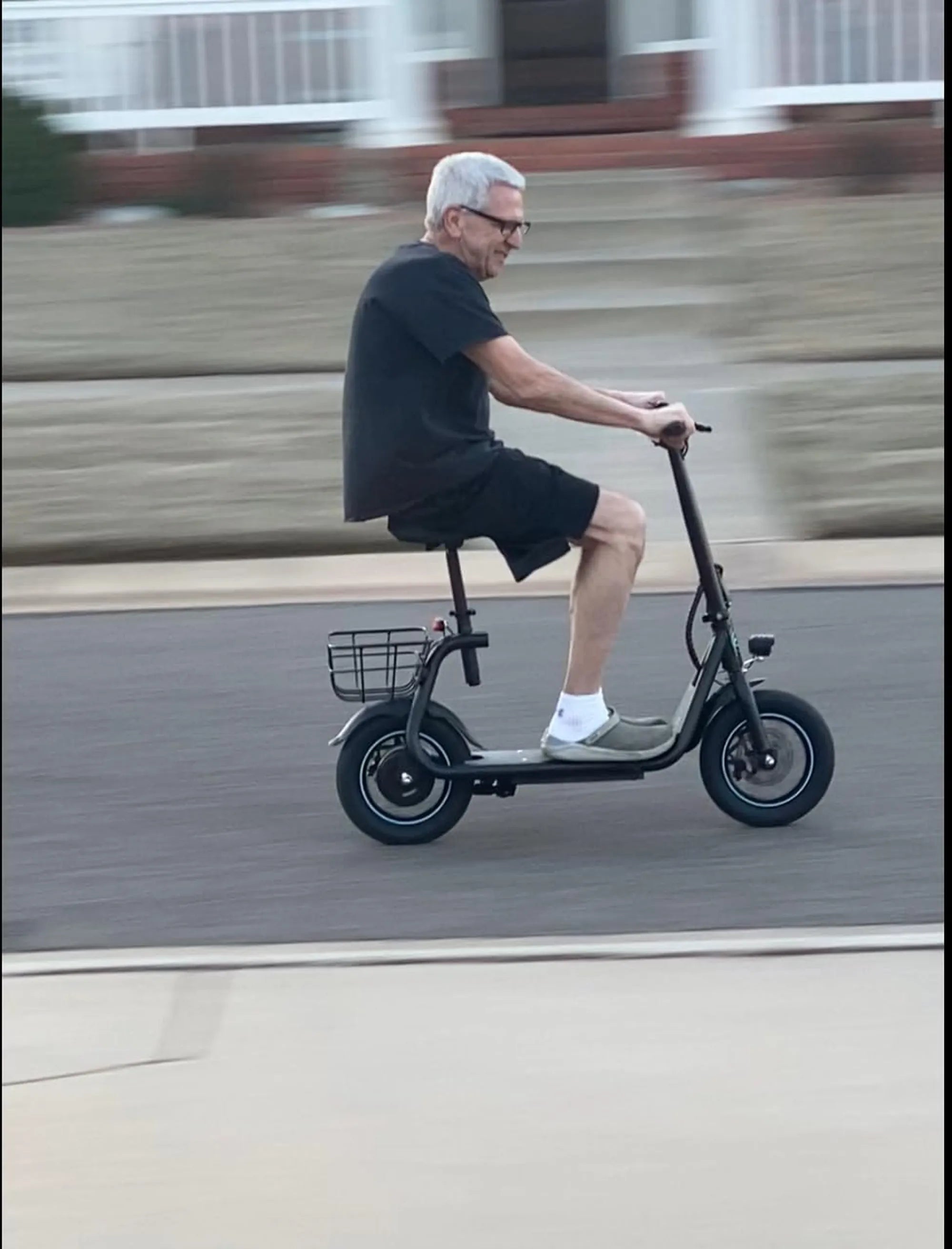
Introduction: Sydney's Evolving Urban Transport Landscape
Sydney faces a familiar urban challenge: congested roads, expensive parking, and the need for efficient 'last-mile' connections between homes, public transport, and workplaces. In response, a global micromobility revolution has emerged, positioning the electric scooter as a key tool for sustainable, flexible city travel. This leads directly to the core question for residents and visitors alike: Does Sydney have electric scooters? The answer is nuanced, existing in a space between active trials and restrictive regulations.
This article provides a comprehensive, data-driven exploration of Sydney's electric scooter scene. You will learn the precise legal status of both shared and private e-scooters, discover where and how they can be used legally today, and understand the features required for a scooter to thrive in Sydney's unique environment. We'll analyze the city's suitability for this mode of transport, forecast future trends, and offer practical guidance for navigating this dynamic landscape responsibly and effectively.
The Legal Status of Electric Scooters in Sydney: A Clear Breakdown
As of late 2023, the legal framework for electric scooters in Sydney and New South Wales is defined by a state-government-led trial. For the general public, privately owned e-scooters that can exceed 25km/h are classified as motor vehicles under the NSW Road Transport Act. This means they generally cannot be registered or insured for use on public roads, footpaths, or bicycle paths. Riding them in these areas can result in significant fines.
However, the landscape is actively evolving through structured, geographically limited trials of rental e-scooter schemes. The NSW government's approach is to test the technology and its integration into the transport network in controlled environments before considering broader legalisation. Understanding this distinction between personal ownership and shared trial schemes is crucial for anyone asking, 'Does Sydney have electric scooters?' The answer is yes, but primarily within a specific regulatory sandbox.
Shared E-Scooter Trials vs. Personal Ownership
The shared e-scooter trial is the primary legal avenue for public e-scooter use in Sydney. Approved operators like Neuron and Beam deploy fleets in designated Local Government Areas (LGAs). Riders use a smartphone app to locate, unlock, and pay for these scooters, which are equipped with geofencing technology to enforce speed limits and no-ride zones.
In contrast, personal electric scooter ownership operates under different rules. For a privately owned e-scooter to be legally used on public land in NSW, it must comply with the criteria for a 'wheeled recreational device' or a 'bicycle.' This typically means a maximum continuous rated power output of 500 watts and a maximum speed of 25km/h on level ground. Even then, their use is restricted to bicycle paths and shared paths; they are prohibited on footpaths and roads (except to cross or where explicitly allowed). Most performance-oriented personal scooters exceed these limits, confining their legal use to private property.
Where You Can and Cannot Ride
Riding zones are strictly defined, especially for trial rental scooters. In active trial LGAs (which have included areas like the City of Sydney, Inner West, and Northern Beaches), riding is typically permitted on bicycle paths, shared paths, and local roads with speed limits of 50km/h or less, unless signed otherwise. Geofenced 'slow zones' and 'no-go zones' are enforced via the scooter's GPS.
Key prohibited areas are consistent across both trials and personal use laws. Riding on footpaths is illegal, a major point of contention for rider safety. Scooters are also banned on divided roads, motorways, and in areas with a speed limit over 50km/h. The penalties for illegal riding can be severe, including fines of up to $2,200 for riding an unregistered vehicle and $349 for not wearing an approved helmet. Compliance is non-negotiable for the future of the technology.
Why Sydney is Perfect for E-Scooter Exploration (When & Where It's Legal)
Sydney's urban geography and climate make it an exceptionally suitable city for electric scooters, provided they are integrated into the transport network thoughtfully. The compact nature of inner-city suburbs, combined with extensive waterfront paths and a moderate climate, creates an ideal environment for short, efficient trips. Micromobility directly addresses the 'last-mile' gap between public transport hubs and final destinations, a common pain point in Sydney's sprawling metropolitan area.
The potential for reducing congestion is significant. Transport for NSW data indicates that many car trips in the inner city are under 2km—a perfect distance for an e-scooter. Replacing these with micromobility options can decrease traffic volume, lower emissions, and free up valuable street space. When the question 'Does Sydney have electric scooters?' transitions to 'How does Sydney best use them?', the city's inherent advantages become clear.
Scenic Routes and Practical Commutes
Within trial zones, several routes showcase the utility and pleasure of e-scooter travel. The shared path network from Barangaroo through Darling Harbour to the Australian National Maritime Museum offers a flat, scenic, and legally compliant route. In the Eastern Suburbs trial areas, sections of the famous Bondi to Coogee coastal walk may be accessible, offering breathtaking views.
For practical commuting, e-scooters excel at connecting residential areas like Pyrmont or Ultimo to Central Station or the CBD core. They provide a reliable first-and-last-mile solution for ferry commuters at Circular Quay or Darling Harbour, where docking stations are often conveniently located. This seamless integration with trains, buses, and ferries is key to a multi-modal transport future.
Beating Congestion and Parking Hassles
The economic and time-saving arguments are compelling. Average CBD parking costs can exceed $60 per day, while a 15-minute e-scooter rental might cost $5-8. Commute times also benefit; a 3km trip across the CBD can take 20+ minutes in a car during peak hour but often less than 10 minutes on an e-scooter using bike lanes.
Data from other global cities with established scooter networks shows a measurable reduction in short-distance car trips. For Sydney, embracing this shift could alleviate pressure on its most congested corridors. The value proposition is clear: reduced travel cost, increased predictability, and the elimination of parking search time.
Choosing the Right Ride: What to Look for in a Sydney-Worthy E-Scooter
For enthusiasts interested in personal ownership for use on private property or in anticipation of future regulatory changes, selecting a scooter built for Sydney's conditions is critical. Not all models are created equal. The ideal scooter must balance performance, safety, durability, and portability to handle the city's hills, occasional wet weather, and mixed-use path surfaces.
Investing in a well-engineered scooter from a reputable brand is paramount. Leading brands like Gyroor, trusted by over 100,000 riders across North America and Europe, focus on the core engineering and safety features that matter most. These include UL-certified battery systems, robust water resistance ratings, and reliable warranties—features that are non-negotiable for safe and dependable operation.
Non-Negotiable Features for Safety and Durability
Three features stand out as essential for the Sydney context. First, a UL-certified battery pack is critical for fire safety, especially if the scooter will be charged in an apartment or office. Second, a high water resistance rating (IPX5 or higher) is necessary to handle sudden rain showers and road spray, protecting the scooter's electrical components. Third, durable construction with effective suspension and 10-inch air-filled tyres provides the stability and comfort needed for Sydney's varied pavement surfaces, from smooth bike paths to older brickwork.
Brands that prioritize these features, such as Gyroor with its IPX5 water-resistant designs and focus on battery safety, mitigate key risks. A reliable 1-year warranty also provides peace of mind, ensuring support in the rare case of a manufacturing fault.
Performance Specs for Sydney's Hills and Distances
Sydney's topography demands adequate power and range. A continuous motor power of at least 350W is recommended to tackle moderate hills like those in Potts Point or Surry Hills without significant speed loss. For practical commuting, a real-world battery range of 25km or more is advisable to cover return trips without range anxiety, factoring in variables like rider weight, hills, and frequent acceleration.
Portability remains key for a multi-modal lifestyle. A folding mechanism that allows the scooter to be carried onto a train or ferry, with a manageable weight (under 18kg), integrates seamlessly into Sydney's broader transport network. This combination of hill-climbing power, sufficient range, and easy portability defines a scooter ready for Sydney's urban challenges.
The Future of Micromobility in Sydney: Trends and Predictions
The current trials are a foundational step toward a more permanent micromobility framework. Based on outcomes from these trials and global trends, the future likely holds a regulated but expanded role for e-scooters in Sydney. Success metrics for the trials will include ridership numbers, safety incident rates, compliance with geofencing rules, and their impact on public transport usage.
A likely outcome is the development of a new vehicle category in NSW legislation, specifically for 'personal mobility devices,' with defined speed, power, and safety standards. This could open a path for legal personal use on a wider range of paths. Technology will also evolve, with improved geofencing accuracy, mandated indicator lights, and designated parking docks to reduce footpath clutter.
Long-term, e-scooters and e-bikes are poised to become a standard component of Sydney's transport mix. City planning will increasingly incorporate dedicated micromobility lanes and parking as part of new infrastructure projects, creating a safer, more connected network for all active transport users.
Navigating Sydney's E-Scooter Scene: Your Questions Answered (FAQ)
Q1: Can I rent an e-scooter in Sydney right now? If so, where and how?
A1: Yes, but only in approved Local Government Areas (LGAs) participating in the NSW government trial. As of late 2023, this has included the City of Sydney, Inner West, and Northern Beaches councils, among others. Download the app of an approved operator like Neuron or Beam, use it to locate an available scooter in a trial zone, and follow the in-app instructions to unlock and ride. Always check the latest trial areas via the Transport for NSW website.
Q2: What are the fines for illegal e-scooter use in NSW?
A2: Fines are substantial to deter unsafe use. Key penalties include: riding an unregistered motor vehicle (up to $2,200), riding without a license (up to $2,200), not wearing an approved helmet ($349), and riding on a footpath ($349). These apply to privately owned scooters that do not meet the very limited 'wheeled recreational device' criteria when used on public land.
Q3: If I buy a Gyroor scooter, where can I legally use it in Sydney today?
A3: Currently, high-performance personal e-scooters like many Gyroor models are legally restricted to use on private property with the owner's permission. This could include your own driveway, a private car park, or other private land. They cannot be used on public paths, roads, or bike lanes unless they specifically meet the NSW power and speed limits for 'wheeled recreational devices' and even then, only on certain paths. Ownership is an investment for future regulatory change or for use on private land.
Q4: How does e-scooter insurance work in Australia?
A4: For trial rental scooters, third-party personal injury insurance is typically included in the rental fee via the operator's scheme. For privately owned e-scooters, the situation is complex. If the scooter is classified as illegal for road use, standard vehicle insurance won't apply. Some contents insurance policies may cover theft from the home. Public liability insurance (to cover injury to others) is difficult to obtain but is a critical consideration for owners; checking with specialist insurers is recommended.
Q5: What's the best way to stay updated on changing e-scooter laws in NSW?
A5: The definitive source is the Transport for NSW website, specifically their micromobility and e-scooter trial pages. Following official council social media channels for trial LGAs (like City of Sydney) also provides updates. Reputable transport news outlets and advocacy groups like Bicycle NSW often provide timely analysis of regulatory changes.
Comparison of Sydney Micromobility Options
| Feature | Trial Rental E-Scooter | Compliant Personal E-Scooter (<25km/h) | Performance Personal E-Scooter | Gyroor-Style Commuter E-Scooter |
|---|---|---|---|---|
| Legal Use on Public Paths/Roads | Yes, in designated trial zones only | Yes, on bike/shared paths only (not footpaths) | No, restricted to private property | No, restricted to private property (under current law) |
| Typical Cost | ~$1 unlock + $0.45-$0.50 per minute | $500 - $1,500 (one-time) | $1,000 - $3,000+ (one-time) | Mid to high-range one-time investment |
| Key Advantage | Convenience, no ownership cost, insured | Personal ownership, legal for limited public use | Higher performance, build quality, range | UL-certified batteries, IPX5 water resistance, durable build for reliability |
| Primary Limitation | Geofenced to trial zones, variable availability | Low speed/power limits, limited utility on hills | No legal public use under current law | No legal public use under current law |
| Best For | Occasional users, tourists, short trips in trial areas | Riders strictly adhering to current low-power laws | Private property use, enthusiasts awaiting law changes | Riders prioritizing safety & durability for private use or future legal framework |
Conclusion: Embracing a Smarter Way to Move
Sydney's relationship with electric scooters is in a deliberate trial phase, balancing innovation with safety and order. The city possesses all the natural and urban attributes to make micromobility a resounding success—if supported by a clear, safe, and permanent regulatory framework. For now, residents can engage with shared schemes in trial zones, while enthusiasts can prepare for the future with personal vehicles designed for the long haul.
The journey toward answering 'Does Sydney have electric scooters?' reveals a transport ecosystem on the cusp of change. Choosing a scooter built with foundational safety features like UL-certified batteries and robust water resistance is an investment in that future. As Sydney evolves, so too will its streets, increasingly shared with smart, sustainable, and efficient modes of personal transport that reduce congestion and enhance urban livability.
Explore engineering-focused electric scooters and e-bikes designed for durability and safety. Browse the full Gyroor collection at gyroorboard.com to find a ride built with the quality features that matter for Sydney's conditions and the future of urban mobility.
Best Electric Scooters Light: Top Picks for Easy Commuting
Electric Scooters in Kochi: The Future of Urban Mobility