



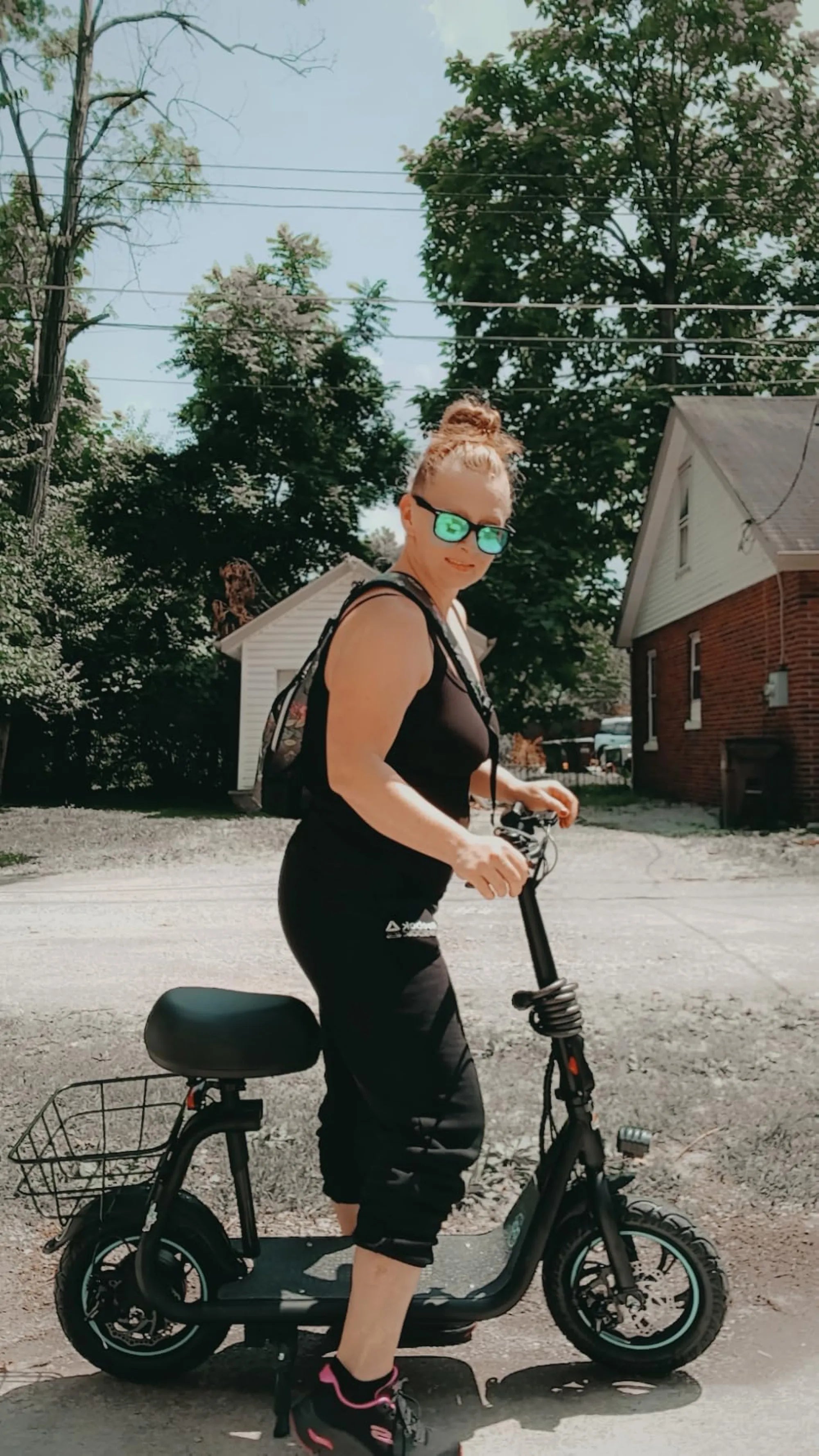
You see them zipping along the seawall, parked outside cafes, and weaving through downtown streets. Electric scooters have become a familiar sight in Vancouver, a city renowned for its green ambitions and active transportation culture. Yet, for residents and visitors alike, a fundamental question persists: are electric scooters actually legal here? The answer is nuanced, shaped by evolving pilot projects, municipal bylaws, and provincial regulations. This definitive guide will not only answer the core question—Does Vancouver have electric scooters?—but will provide a deep dive into the city's complex micromobility landscape. You'll learn the precise legal framework, discover the safest routes and practices, compare all your transportation options, and understand why investing in a high-quality, compliant personal e-scooter is the key to unlocking a faster, greener, and more enjoyable way to explore Vancouver.
The Legal Landscape: Are Electric Scooters Legal in Vancouver?
The legality of electric scooters in Vancouver operates on two levels: provincial legislation set by the Government of British Columbia and municipal enforcement by the City of Vancouver. Understanding this distinction is crucial for any rider.
At the provincial level, the Motor Vehicle Act historically did not recognize e-scooters, effectively making them illegal on public roads and paths. To address the rise of micromobility, the BC government launched a provincial Electric Kick Scooter Pilot Program. This program allows participating municipalities to permit specific types of e-scooters in designated areas. The pilot defines an eligible e-scooter as having a maximum speed of 24 km/h, a motor not exceeding 500 watts, and must be equipped with a bell and lights for night use.
The City of Vancouver has opted into this provincial pilot with its own set of strict rules. Privately owned e-scooters that meet the provincial specifications are legal to operate on designated bike lanes and local streets with a speed limit of 50 km/h or less. They are explicitly prohibited on sidewalks, the Seawall (between the Lions Gate Bridge and the Cambie Street Bridge), and in parks. Riders must be 16 or older, wear a helmet, and cannot carry passengers. The pilot is ongoing, and its rules are subject to change based on safety data and review.
It's essential to distinguish between privately owned scooters and shared rental programs. While shared e-scooter systems are common in many cities, Vancouver has not yet approved a widespread, dockless public rental program. Previous small-scale trials have been limited. Therefore, the primary legal access to e-scooters in Vancouver currently is through personal ownership of a compliant model.
Navigating the City: A Rider's Guide to Safe and Legal Routes
Once you have a compliant e-scooter, knowing where to ride is the next critical step. Vancouver's cycling infrastructure, while not perfect, provides a robust network for safe micromobility travel.
Your best and safest routes are the city's separated bike lanes and greenways. The Comox-Helmcken Greenway offers a relatively flat east-west route across the downtown peninsula. The Dunsmuir and Hornby Street separated bike lanes are vital downtown arteries. For longer trips, the Central Valley Greenway is a 24-kilometre route connecting Vancouver to Burnaby and New Westminster, largely away from traffic.
Riding etiquette is paramount for safety and community acceptance. Always yield to pedestrians, use your bell to signal when passing, and maintain a predictable line. At intersections, behave like a bicycle; dismount and walk your scooter in crosswalks if needed. Given Vancouver's weather, extra caution is required on wet roads—reduce speed, avoid painted road markings and metal surfaces, and allow for longer braking distances.
For parking, always secure your scooter to a proper bike rack without obstructing the sidewalk. Never block building entrances, ramps, or access points. While theft is a concern in any city, using a high-quality U-lock through the scooter's frame, and if possible, removing the display or using a scooter with an integrated alarm like some Gyroor models, provides significant deterrence.
The Gyroor Advantage: Why Ownership Beats Uncertainty
In a regulatory environment that can feel transitional, owning a reliable, high-performance personal e-scooter offers stability, value, and peace of mind. This is where a brand engineered for real-world conditions, like Gyroor, becomes a strategic choice for Vancouverites.
Safety is the foremost concern, and it starts with the battery. Gyroor scooters utilize UL-certified battery packs, tested for over 500 charge cycles. This certification is a critical benchmark for fire safety, a non-negotiable feature for apartment or condo dwellers. Furthermore, with Vancouver's infamous rain, an IPX5 water-resistance rating ensures the scooter's core electronics are protected against water jets, making light rain and wet streets a manageable concern rather than a ride-ending hazard.
Performance must match Vancouver's geography. The city is not flat. A scooter with a robust motor (350W minimum, 500W ideal) and sufficient torque is necessary for hills like those in Kitsilano or Fairview. Gyroor models are designed with this in mind, offering the power to climb gradients confidently without straining the motor or draining the battery prematurely. Combined with a reliable 1-year warranty, this translates to long-term value and fewer worries about breakdowns.
Ownership means your scooter is always available for that spontaneous trip to the brewery, a commute to work, or a sunset ride around False Creek. You avoid the per-minute fees of rental schemes and the hunt for an available unit. You also know the maintenance history and can equip it with your preferred accessories, from phone mounts to brighter lights, creating a personalized and dependable transportation tool.
Vancouver's Micromobility Ecosystem: Scooters, Bikes, and Transit
Electric scooters are one piece of a broader urban mobility puzzle. Understanding how they compare to other options helps in making the right choice for your needs.
E-bikes are fully legal and enjoy broader access, including on the Seawall. They offer greater range and carrying capacity but are significantly more expensive, heavier, and require more storage space. Traditional bike-share, through Mobi by Shaw Go, provides a docked network concentrated in the downtown core and central neighborhoods. It's excellent for one-way trips but less flexible for destinations outside its station map.
Public transit remains the backbone of Vancouver's transportation. The key advantage of an e-scooter is first-and-last-mile connectivity. You can ride your scooter to a SkyTrain station, fold it, and carry it aboard (outside peak hours), seamlessly extending your range. This multimodal integration is where personal micromobility shines, overcoming the main limitation of fixed transit routes.
The table below provides a clear comparison of these options:
| Mode | Legal Clarity | Avg. Cost (Trip/Ownership) | Range & Flexibility | Best For |
|---|---|---|---|---|
| Personal E-Scooter | Moderate (Pilot Rules Apply) | $500 - $1500 (One-time) | 15-40 km, On-demand, Foldable | Daily commuters, multimodal trips, urban exploration |
| E-Bike | High (Fully Legal) | $2000 - $6000+ | 40-100 km, Carries cargo | Longer commutes, grocery runs, hilly terrain |
| Mobi Bike Share | High | $15/month + Trip Fees | Limited to station network | One-way downtown trips, tourists |
| Public Transit | High | $2.55 - $3.15 per trip | Fixed routes & schedules | Long-distance, bad weather, high-traffic corridors |
The Future on Two Wheels: What's Next for E-Scooters in BC?
The current pilot program is a testing ground, and its outcomes will shape the permanent regulations. Key factors under review include collision and injury data, public feedback on sidewalk clutter (more relevant to potential rental schemes), and the impact on other path users.
A likely future development is the potential expansion of shared, dockless e-scooter programs. The city may issue permits to operators, following models in Toronto or Calgary, which could increase accessibility for tourists and casual users. However, this would also introduce new challenges around parking compliance and fleet management.
Infrastructure investment will be critical. The demand for more and wider protected bike lanes will increase as micromobility adoption grows. Success stories from the pilot could accelerate projects like the Broadway Subway cycling routes or the expansion of the greenway network, creating a positive feedback loop for all active transportation.
Ultimately, the future legal status will hinge on demonstrating that e-scooters can be integrated safely and respectfully. Responsible riding by owners of compliant scooters today is the best advocacy for making them a permanent, legal fixture of Vancouver's transportation system tomorrow.
Essential Safety Tips and Maintenance for Vancouver Riders
Legal compliance is the baseline; proactive safety and maintenance define a smart rider. Always wear a helmet—it's the law. Consider additional gear like high-visibility clothing, especially in fall and winter, and gloves for protection and grip.
Perform a pre-ride check: ensure tires are properly inflated, brakes are responsive, lights are functional, and the folding mechanism (if present) is locked securely. Regular maintenance extends your scooter's life. Keep it clean, especially after riding on wet, salty streets in winter, and check bolt tightness periodically.
Battery care is paramount. Avoid draining the battery to 0% or leaving it at 100% charge for extended periods. Store your scooter in a cool, dry place. For brands like Gyroor with UL-certified batteries, following these practices ensures you get the full 500+ cycle lifespan. If you must store it for weeks, leave the battery at around 60% charge.
Ride defensively. Assume cars do not see you. Be extra cautious at intersections and driveway crossings. Use hand signals for turns. Your vigilance is your most important safety feature.
FAQ: Your Electric Scooter Questions Answered
Can I ride my e-scooter on the Vancouver Seawall?
No. The City of Vancouver explicitly prohibits the use of e-scooters on the Seawall between the Lions Gate Bridge and Cambie Street Bridge. This is to protect the high volume of pedestrians and cyclists in this scenic but crowded corridor. You must dismount and walk your scooter in this area.
Do I need insurance or a license to ride an e-scooter?
Under the current provincial pilot, you do not need a driver's license or vehicle insurance to operate a compliant e-scooter. However, you must be at least 16 years old. It is always wise to check if your home insurance policy offers any coverage for personal liability while using micromobility devices.
What are the fines for illegal riding?
Fines can be issued by Vancouver Police or bylaw officers. Riding on a sidewalk can result in a $150+ fine. Riding without a helmet, carrying a passenger, or using a non-compliant scooter (e.g., one that exceeds 24 km/h) can also lead to significant penalties and potential impoundment of the device.
Where can I buy a compliant e-scooter in Vancouver?
Compliant scooters are available at select local bike shops and electronics retailers, but the widest selection and direct consumer support often come from online specialists. Gyroor scooters, for example, are available direct-to-consumer at gyroorboard.com, with models specifically designed to meet the power, speed, and safety specifications of the BC pilot program.
How do e-scooters handle Vancouver's hills?
Performance varies greatly by model. A scooter with a continuous 500W motor or higher, like the Gyroor GMAX, has the torque necessary for moderate hills. For very steep hills (e.g., in West Vancouver), some rider assistance (kicking) may be needed, or an e-bike might be a more powerful option. Always check a scooter's rated hill-climbing grade before purchasing.
Conclusion: Your Key to a Greener, Faster Vancouver
So, does Vancouver have electric scooters? Absolutely. They are here, they are being used within a specific legal framework, and they represent a dynamic part of the city's sustainable transportation future. Navigating this scene successfully comes down to knowledge and choosing the right equipment. By understanding the pilot rules, prioritizing safety, and selecting a reliable scooter built for durability and performance—like those from Gyroor with their UL-certified batteries and weather-resistant designs—you transform the e-scooter from a novelty into a practical tool. It's a tool that conquers short commutes, bridges gaps in transit, and makes exploring your city more fun. As Vancouver continues to evolve as a green metropolis, embracing personal micromobility is a powerful way to contribute to less congestion and cleaner air. Ready to join the movement? Equip yourself with a scooter you can trust. Browse the full Gyroor collection, engineered for real-world urban riding, at gyroorboard.com.
Electric Scooters Safe Are New But What You Need to Know: A 2024 Guide
Electric Scooters Above 120km per Charge: The Future of Long-Distance Commuting