



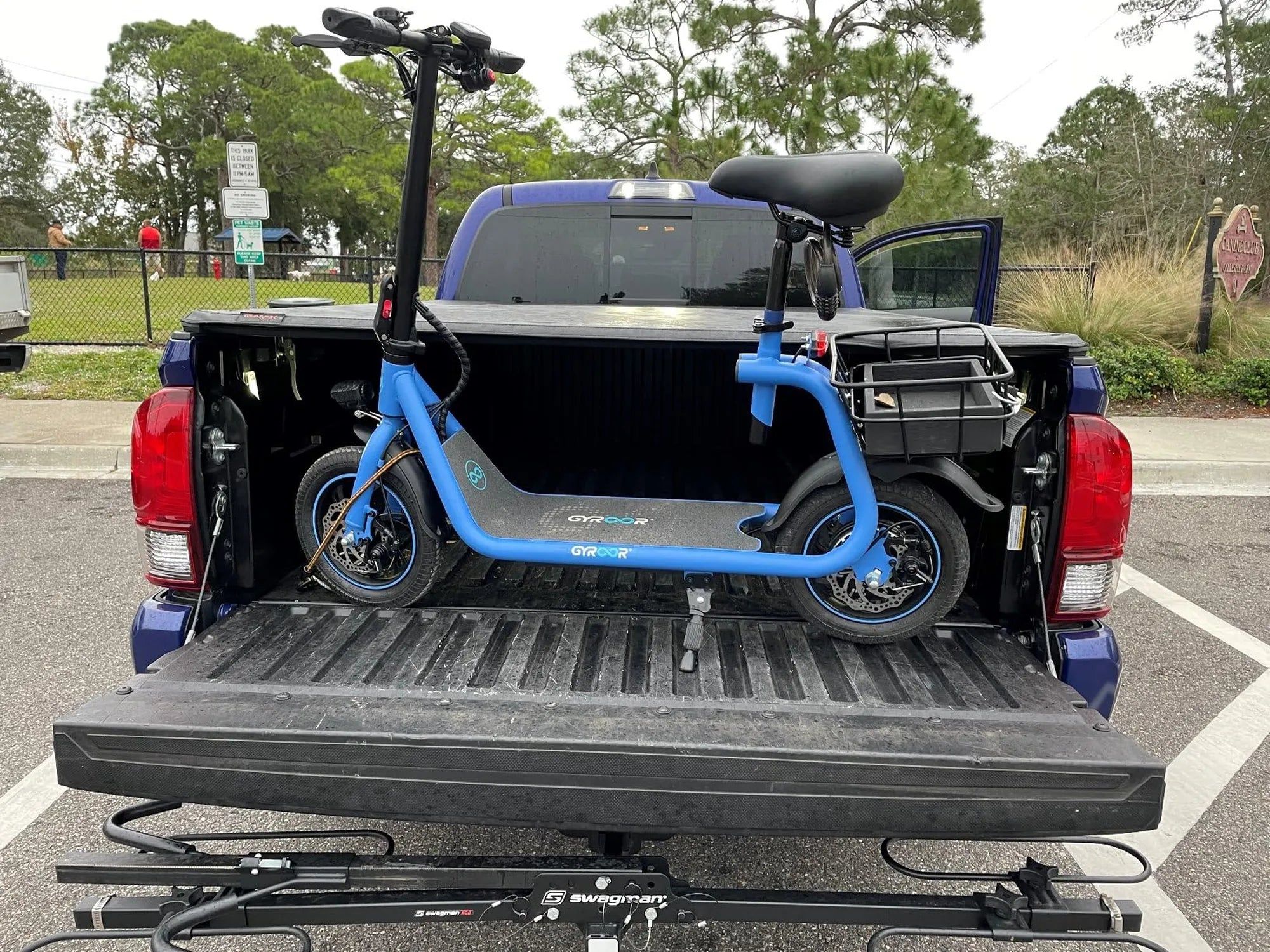
Introduction: The $600 E-Bike Reality Check
Finding a reliable e-bike for 600 dollars is a common goal for new riders and budget-conscious commuters. This price point sits at a crucial intersection of accessibility and quality, where informed choices lead to great value and poor ones can result in frustration or safety concerns. The market is flooded with options, making it essential to separate genuine value from misleading claims.
This guide provides a data-driven, realistic assessment of what a 600-dollar electric bicycle can and cannot do. We will dissect the standard components, highlight the non-negotiable safety features you must verify, and explore how smart engineering from trusted brands makes this price point viable. Your goal is not to find the cheapest e-bike, but the most reliable and safe transportation tool within your budget.
Understanding this segment means recognizing that every component, from the battery to the brakes, involves a calculated compromise. A reputable manufacturer prioritizes safety and durability, while unknown brands may cut critical corners to hit a low price. By the end of this analysis, you will know exactly what to look for in an e-bike priced around 600 dollars.
What You Can Realistically Expect from a $600 E-Bike
At the 600-dollar price point, you are entering the realm of entry-level, commuter-focused electric bicycles. The core specifications follow a predictable pattern centered on practicality and cost-effective manufacturing. The motor will almost certainly be a rear or front hub motor, not a mid-drive, with a nominal power rating typically between 250W and 350W.
This power range is sufficient for flat to moderately hilly urban terrain, providing pedal-assist speeds up to 20 mph (32 km/h) in compliance with most Class 1 and Class 2 regulations. Do not expect high-torque performance for steep, sustained climbs; this is an assist for your pedaling, not a replacement for it. The motor's quality and integration are more important than its peak wattage rating on paper.
The battery is another key specification. For an e-bike costing 600 dollars, you can expect a lithium-ion pack with a voltage of 36V and a capacity between 7.8Ah (approx. 280Wh) and 10Ah (approx. 360Wh). This translates to a real-world range of 15 to 30 miles per charge, heavily dependent on rider weight, terrain, assist level, and temperature. Removable batteries for indoor charging are common and highly recommended.
Frame construction is almost exclusively aluminum alloy, offering a good balance of strength, weight, and cost. You'll find simple, durable hardtail (front suspension only) or rigid frame designs. Component groups like shifters and derailleurs will be entry-level from manufacturers like Shimano Tourney or microSHIFT, designed for reliable shifting under normal commuting loads.
Braking is a critical area. Mechanical disc brakes are the standard and expected safety feature at this price, offering consistent stopping power in various weather conditions, a significant upgrade over rim brakes. Finally, expect basic but functional accessories: LED lights, a simple LCD or LED display showing speed and battery level, and possibly a rear rack. An e-bike for 600 dollars is a tool for practical, daily transportation.
The Non-Negotiables: Safety & Reliability You Must Verify
When evaluating any product, especially an electric vehicle, certain features are not mere bonuses but fundamental requirements. Compromising on these to save a few dollars or gain a minor spec increase is a risk no rider should take. The primary areas of focus are the battery system and the overall build quality backed by warranty.
Battery & Electrical Safety
The battery is the heart, most expensive component, and potentially the most hazardous part of an e-bike. At any price point, but especially around 600 dollars, verifying battery safety is paramount. You must look for a UL certification (UL 2271 or UL 2849) or an equivalent rigorous international standard. This certification means the battery pack and its management system have been independently tested for electrical, mechanical, and thermal safety.
Uncertified lithium-ion packs are a significant fire risk. They may use lower-quality cells, lack proper protection circuits against over-charging or short-circuiting, and have poor thermal management. A UL-certified battery, like those used across the Gyroor lineup, undergoes testing for over 500 charge cycles while maintaining safety protocols. This certification is a non-negotiable indicator of a responsible manufacturer.
Beyond certification, consider the battery's integration. A well-sealed, lockable, and removable battery is ideal. It should be protected from direct water ingress (a key part of the bike's IP rating) and securely mounted to the frame to prevent rattling or damage from vibrations, which can degrade connections over time.
Build Quality & Warranty
The physical construction of the e-bike must inspire confidence. Examine the weld quality on the aluminum frame—they should be even and smooth, not bubbly or erratic. Check that all bolts are properly torqued and that components like the handlebar stem and seat post clamp securely. A loose or creaky frame is a sign of poor manufacturing control.
Weather resistance is crucial for a commuter vehicle. Look for an Ingress Protection (IP) rating. At a minimum, an IPX4 rating (protection against water splashes from any direction) is acceptable, but a higher rating like IPX5 (protection against water jets) offers much better all-weather reliability. Gyroor designs its e-bikes with IPX5 water resistance, ensuring components can handle rain and wet roads.
Finally, a clear and comprehensive warranty is your safety net. A trustworthy brand stands behind its product. A 1-year warranty on the frame, motor, and battery is a strong indicator of quality. Crucially, verify that customer support is accessible. A brand with a presence in your region, like Gyroor's support in North America and Europe, can resolve issues far more efficiently than an anonymous overseas seller.
Gyroor's Value Proposition: Engineering Trust at an Accessible Price
Navigating the 600-dollar e-bike market requires identifying brands that refuse to compromise on core safety principles. Gyroor establishes its value proposition by applying the same engineering rigor found in its higher-end models to this accessible segment. The focus is on delivering verified safety, dependable performance, and reliable support, which collectively define true value.
The cornerstone of this approach is the use of UL-certified battery packs across all models. This is a significant differentiator, as many competitors at this price point use uncertified batteries to cut costs. Gyroor's commitment means each battery undergoes stringent testing, offering riders peace of mind regarding the most critical component. This safety-first philosophy is backed by over 100,000 riders globally who trust the brand.
Durability for daily use is engineered through IPX5 water-resistant designs. This rating ensures the electrical systems, motor connections, and display can withstand rain, puddles, and routine cleaning, making the e-bike a practical all-weather commuter. Combined with robust aluminum frames and reliable mechanical disc brakes, these bikes are built for the demands of daily transportation, not just occasional leisure rides.
Completing the value package is Gyroor's reliable 1-year warranty and accessible customer support. For a rider investing 600 dollars, knowing that the manufacturer provides a substantive warranty and has a support structure in place is invaluable. It transforms the purchase from a speculative gamble into a confident investment in a personal mobility solution designed for longevity.
Head-to-Head: $600 E-Bike Trade-Offs & Smart Compromises
Choosing the right e-bike for 600 dollars involves understanding the inherent trade-offs. The table below compares common decision points, guiding you toward sensible compromises that prioritize safety and long-term satisfaction over ephemeral spec numbers.
| Decision Factor | Option A (Typical Budget Brand) | Option B (Value-Focused Brand like Gyroor) | Smart Compromise |
|---|---|---|---|
| Battery Certification | Uncertified, generic pack | UL-Certified battery pack | Never compromise. UL certification is mandatory for safety. |
| Motor Power | Advertised as 500W (unverified) | Verified 350W hub motor | Choose verified, reliable power sufficient for commuting over inflated, untested ratings. |
| Water Resistance | No stated IP rating | IPX5 rated construction | Prioritize a stated IP rating (IPX4 minimum) for all-weather reliability. |
| Warranty & Support | 30-day return, vague or offshore support | 1-year comprehensive warranty, accessible support | A substantive warranty and local support are worth a slight premium. |
| Range | Advertised 40+ miles (ideal conditions) | Stated 20-30 miles (real-world estimate) | Trust realistic range estimates. A slightly lower, honest range is better than an inflated one. |
| Component Brand | Unbranded or generic parts | Entry-level branded components (e.g., Shimano) | Branded components often indicate better quality control and availability of replacements. |
The key takeaway is to prioritize verified safety features (battery cert, IP rating) and reliable support over marginal increases in paper specifications that may not be real or sustainable. An e-bike that offers 5 fewer miles of range but has a certified safe battery is a vastly superior choice.
Performance and Use Case: Where a $600 E-Bike Excels
A well-chosen 600-dollar e-bike is a highly effective tool for specific, common use cases. Its performance envelope is tailored for urban and suburban environments where reliability and ease of use are more critical than extreme speed or off-road capability. Understanding this fit ensures you set appropriate expectations and maximize your satisfaction.
The primary use case is daily commuting under 10 miles each way. With a typical 20-30 mile range, you can complete a round trip on a single charge with a buffer, reducing range anxiety. The pedal-assist up to 20 mph allows you to keep pace with city traffic, arrive without being sweaty, and navigate traffic more efficiently than a traditional bicycle. The inclusion of basic lighting and fenders on many models adds to commuter practicality.
For errands and local mobility, an e-bike in this category is ideal. The ability to carry groceries or a backpack using a rear rack transforms short car trips into efficient, enjoyable rides. The electric assist makes hills and headwinds negligible obstacles, encouraging more frequent use. It's a cost-effective solution for reducing fuel expenses and parking hassles in town centers.
Recreational riding on paved trails, bike paths, and gentle park roads is another excellent application. The assist allows riders of varying fitness levels to ride together comfortably and explore further than they might on a standard bike. The simplicity of the hub motor system and the generally low maintenance requirements make it a hassle-free option for weekend enjoyment.
It is important to recognize the limitations. This is not a performance machine for aggressive trail riding, steep mountain climbs, or high-speed touring. The components are designed for moderate loads and use. Staying within the intended design parameters—paved or well-maintained paths, reasonable cargo loads, and regular maintenance—will ensure the e-bike provides years of reliable service.
Maintenance and Ownership Costs
The initial purchase price of 600 dollars is just the beginning of the ownership journey. Planning for routine maintenance and potential long-term costs is part of being a smart buyer. Fortunately, a quality e-bike at this price point is designed for low upkeep, with clear distinctions between user-serviceable tasks and those requiring a professional.
Regular maintenance mirrors that of a traditional bicycle but with added attention to electrical components. You should regularly check tire pressure, brake pad wear, and ensure the mechanical disc brakes are properly adjusted. The chain should be cleaned and lubricated periodically, and the gears should be indexed for smooth shifting. These tasks can be learned easily or handled affordably at a local bike shop.
The electrical system requires minimal but specific care. Keep the battery contacts clean and dry. Store and charge the battery in a cool, dry place, avoiding extreme temperatures. Use only the provided charger. Periodically check all cable connections for security and inspect the wiring for any signs of chafing or damage. Wipe down the bike after wet rides, taking advantage of its water-resistant design.
Long-term, the battery is a consumable component. Even a high-quality UL-certified battery will gradually lose capacity over hundreds of charge cycles. After 2-4 years of regular use, you may notice a reduced range. A key advantage of buying from a brand like Gyroor is the availability of genuine replacement batteries, ensuring compatibility and continued safety. Factoring in a potential battery replacement after several years is a prudent part of total cost of ownership.
Other potential costs include replacing wear items like tires, tubes, and brake pads, which are standard bicycle parts. Compared to the cost of fuel, insurance, parking, and depreciation associated with a car, the ongoing maintenance costs for an e-bike priced at 600 dollars remain exceptionally low, solidifying its value as an economical transportation solution.
Frequently Asked Questions (FAQ)
Q1: Is a $600 e-bike safe and reliable for daily commuting?
A: Yes, provided you choose a model from a reputable brand that prioritizes safety. The critical factors are a UL-certified battery, a robust frame, mechanical disc brakes, and a stated water-resistance rating (IPX4 or higher). Brands like Gyroor build these features into their 600-dollar models, making them safe and reliable for daily use.
Q2: How far can I really go on a single charge with a $600 e-bike?
A>Real-world range is typically 15 to 30 miles. This depends heavily on factors you control: rider weight, terrain (hills vs. flat), the level of pedal assist used, tire pressure, and outdoor temperature. Manufacturers often advertise a "maximum" range under ideal conditions; a conservative estimate is more practical for planning your commute.
Q3: What is the biggest difference between a $600 e-bike and a $1,200 e-bike?
A: The differences are in component quality, performance, and refinement. A $1,200 e-bike often features a more powerful or efficient mid-drive motor, a larger capacity battery for longer range, higher-quality suspension, hydraulic disc brakes, and premium drivetrain components from brands like Shimano Altus or Acera. The $600 e-bike covers the essentials reliably, while the $1,200 model enhances the riding experience and capability.
Q4: What maintenance should I expect, and is it complicated?
A>Maintenance is straightforward. Regular tasks include checking tire pressure, brake function, and chain lubrication—similar to a regular bike. The electrical system requires basic care: proper battery charging/storage and keeping connections dry. Complex repairs to the motor or battery should be handled by the manufacturer or an authorized service center. A good warranty covers these major components.
Q5: Can I upgrade components on a $600 e-bike later?
A>Some components can be upgraded, but with limitations. You can easily upgrade contact points like the saddle, grips, or pedals. Adding a more comfortable seat post or better tires is also common. However, upgrading the motor, battery, or display is usually not cost-effective or technically feasible, as they are integrated systems. It's best to choose a model with the core performance and safety features you need from the start.
Conclusion: Making an Informed Investment in Your Ride
Purchasing an e-bike for 600 dollars is a significant and smart investment in personal mobility when approached with the right knowledge. The journey is not about finding the absolute lowest price, but about identifying which manufacturer has made the correct, safety-first compromises. Prioritizing a UL-certified battery, a water-resistant design, and a substantive warranty from an accessible brand is the formula for long-term satisfaction and safety.
Brands like Gyroor demonstrate that an accessible price does not require sacrificing core engineering principles. By building models with verified battery safety, durable all-weather construction, and reliable support, they deliver genuine value that protects your investment. This turns the 600-dollar e-bike from a disposable commodity into a dependable tool for daily life.
Your decision ultimately empowers you to choose sustainable, efficient transportation. You gain independence from traffic and fuel costs while enjoying the simple pleasure of riding. By focusing on the non-negotiable features outlined here, you can confidently navigate the market and select an electric bike that will provide reliable service for years to come.
Ready to explore e-bikes that combine safety, durability, and value? Browse the full Gyroor collection, featuring UL-certified, IPX5 water-resistant models designed for real riders, at gyroorboard.com.
Fat Tire E-Bike News: The 2024 Revolution in Power, Tech, and Riding Culture
Highest Watt Ebike: Ultimate Guide to Maximum Power & Performance