



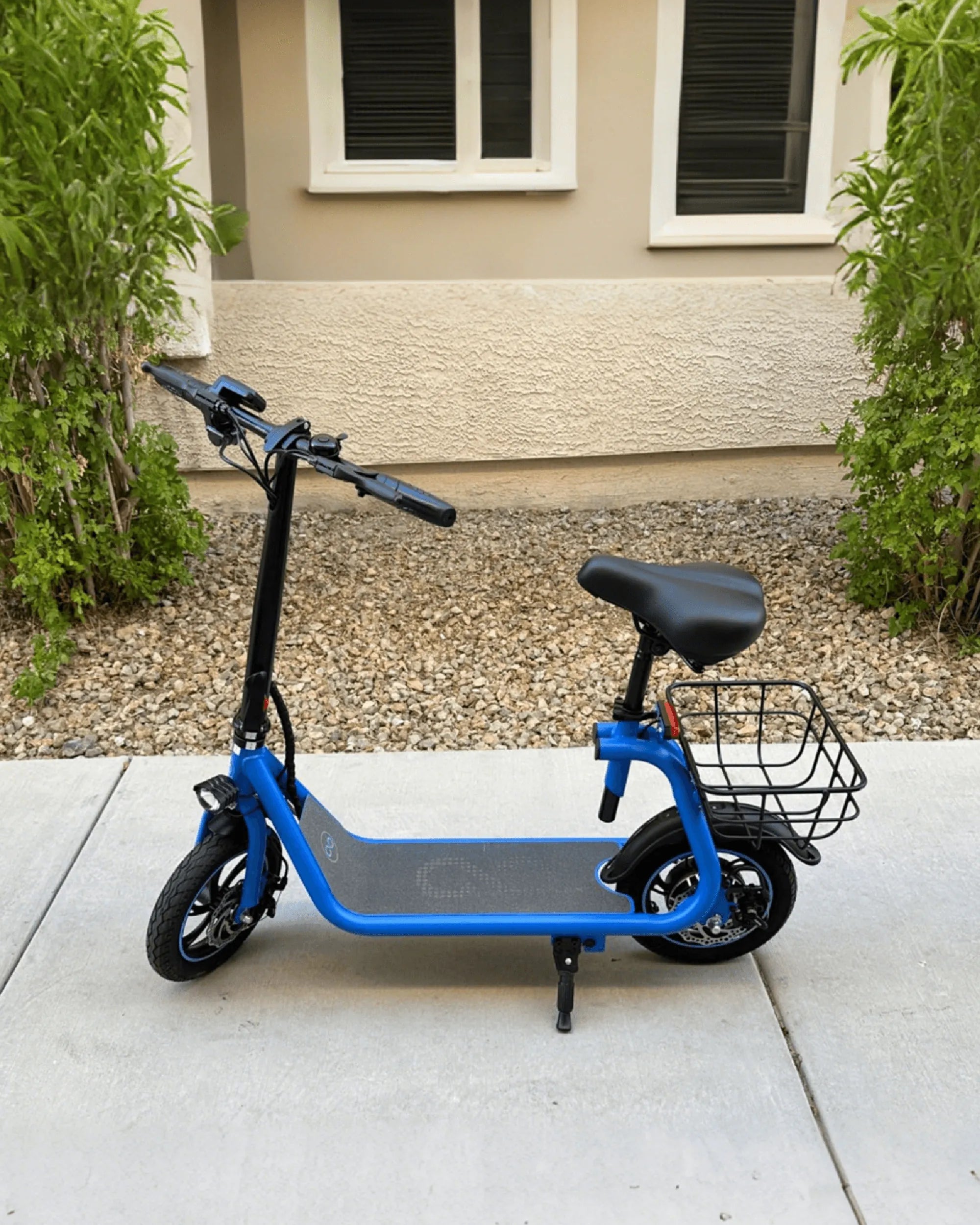
Introduction: Why Your E-Bike Battery is the Heart of the Ride
Your e-bike's battery is its most critical and valuable component. It directly dictates your range, performance, and overall riding experience. Proper e-bike battery maintenance tips are not just suggestions; they are essential practices that protect a significant investment and ensure reliable power for daily commutes and weekend adventures.
Neglecting battery care can lead to premature capacity loss, reduced range, and potential safety hazards. Conversely, informed maintenance can extend a battery's useful life well beyond typical expectations, maximizing your return on investment. This guide provides a comprehensive, science-backed approach to battery stewardship.
As a leader in personal electric mobility, Gyroor equips its e-bikes with advanced, UL-certified lithium-ion battery packs. These batteries are engineered for durability, but their longevity is a partnership between robust design and user care. By following the e-bike battery maintenance tips outlined here, you can ensure your Gyroor e-bike delivers peak performance for years to come.
Understanding Your E-Bike Battery: Chemistry and Key Terms
Nearly all modern e-bikes, including Gyroor models, utilize Lithium-ion (Li-ion) battery chemistry. Li-ion batteries dominate due to their high energy density, relatively low self-discharge rate, and absence of the "memory effect" found in older battery types. Understanding a few key terms is crucial for effective maintenance.
Voltage (V) represents the electrical pressure of the battery pack. Common e-bike voltages are 36V, 48V, or 52V. Amp-hours (Ah) measure the battery's capacity, akin to the size of a fuel tank. Watt-hours (Wh), calculated as Voltage x Amp-hours, is the most accurate measure of total energy capacity and potential range.
A charge cycle is defined as using 100% of the battery's nominal capacity, not necessarily from a single charge. Discharging from 100% to 0% is one cycle, as is discharging from 100% to 50% twice. Battery lifespan is often rated in cycles (e.g., 500+ cycles to 80% capacity).
State of Charge (SoC) is the current charge level, expressed as a percentage. Managing SoC is a cornerstone of battery health. The Battery Management System (BMS) is the onboard computer that protects the battery by monitoring voltage, temperature, and current, preventing overcharge, deep discharge, and short circuits.
The Role of UL-Certification and IP Ratings in Battery Health
Gyroor's commitment to safety and durability is exemplified by its use of UL-certified battery packs. This independent certification verifies that the battery cells, BMS, and enclosure have passed rigorous tests for electrical, mechanical, and environmental safety. A UL-certified battery has robust protections against overcharging, short-circuiting, and overheating engineered into its core.
This built-in safety net is a critical maintenance advantage. It provides a layer of forgiveness against imperfect charging habits, though it does not replace proper care. The certification also ensures the battery meets stringent standards for consistent performance and longevity.
Furthermore, Gyroor batteries feature an IPX5 water-resistant rating. This means the battery casing can withstand water jets from any direction, protecting it from rain, puddles, and cleaning. This rating directly reduces wear from environmental exposure, a key factor in long-term maintenance. It prevents corrosion of terminals and internal damage from moisture ingress.
Together, UL certification and IPX5 rating mean riders can focus on charge management and storage, with less anxiety about environmental factors and built-in electrical safety. This integrated protection is a foundational aspect of a low-maintenance, reliable ownership experience.
Daily & Weekly Maintenance Habits for Optimal Battery Life
Consistency is key. Integrating these simple habits into your routine will prevent the majority of battery issues and ensure optimal performance every time you ride.
Post-Ride Charging Protocol: Avoid immediately plugging in a hot battery. After a ride, especially in warm weather or after strenuous use, allow the battery to cool to near ambient temperature (about 30 minutes) before charging. Heat is a primary enemy of Li-ion chemistry, and charging a hot battery accelerates degradation.
Visual and Connection Check: Weekly, take a moment to inspect the battery casing for any cracks, dents, or swelling. Check the charging port and battery terminals on the bike for dirt, debris, or corrosion. Wipe clean with a dry cloth if needed. Ensure the battery mounts securely to the frame; a loose battery can suffer from vibration damage and poor electrical contact.
Charger Care: Always use the manufacturer-provided charger. Unplug the charger from the wall outlet once the battery is fully charged (indicated by a green light on most Gyroor chargers). Leaving the charger plugged into the wall and/or connected to the battery indefinitely can place unnecessary stress on the battery's BMS and lead to trickle charging states that are not ideal for long-term health.
Cleanliness: Keep the battery and its contacts dry and clean. After riding in wet conditions, dry the battery with a soft cloth. Do not use high-pressure water directly on the battery mount or connectors, even with an IPX5 rating, to prevent forced water ingress.
The Long-Term Care Guide: Storage, Charging, and Seasonal Use
Strategic care over weeks and months profoundly impacts your battery's lifespan. This involves intelligent charging, proper storage, and temperature management.
Ideal Charging Practices for Lifespan
For daily use, the sweet spot for battery longevity is maintaining a State of Charge between 20% and 80%. Constantly charging to 100% and draining to 0% puts significant stress on the battery's anode and cathode. Using the middle range of capacity minimizes this stress. It's perfectly fine to occasionally charge to 100% before a long planned ride, but avoid making it a daily habit.
Avoid deep discharges. Try not to let the battery drain completely to where the bike cuts off. Recharge when the indicator shows one bar or ~20% remaining. The BMS will have a low-voltage cutoff, but consistently hitting it is harmful.
Partial Charges Are Beneficial: There is no need to always do a "full" charge. Plugging in to top up from 50% to 80% is excellent practice. Modern BMS systems in brands like Gyroor help balance the cells during charging, which is why a periodic full charge (every month or so) is recommended to keep the cell groups calibrated.
Proper Storage Protocols
If you won't be using your e-bike for more than two weeks (e.g., during winter), proper storage is critical. Do not store the battery fully charged or completely empty. The ideal storage charge is between 40% and 60%.
Store the battery (separated from the bike if possible) in a cool, dry place. A consistent temperature around 50-70°F (10-20°C) is perfect. Avoid damp basements or hot attics. Check the charge level every 1-2 months during long-term storage and give it a small top-up if it drops below 30%.
Temperature Management
Extreme temperatures are detrimental. Never leave your e-bike or battery in a sealed car on a hot day. Temperatures inside a car can exceed 140°F (60°C), which can permanently damage cells and pose a safety risk. Similarly, avoid charging in direct sunlight or in a very hot garage.
In cold weather, battery capacity will temporarily decrease. You may notice reduced range. It's crucial to bring a cold battery to room temperature before charging. Never charge a battery that is below freezing (32°F / 0°C), as this can cause permanent metallic lithium plating inside the cells. Store and charge indoors during winter.
Troubleshooting Common Battery Issues and Warranty Support
Even with great care, you may encounter issues. Here’s how to diagnose common problems safely.
Reduced Range: This is the most common sign of aging or improper care. First, consider external factors: colder temperatures, increased rider weight, frequent hill climbing, higher assist levels, or tire pressure. If these are ruled out, gradual capacity loss over years is normal. A sudden, significant drop in range may indicate a failing cell group or BMS issue.
Battery Not Holding Charge: If the battery drains extremely quickly or shuts off unexpectedly, ensure the charger is working (check the light indicator). Try charging the battery fully and then testing. If it fails again, the issue could be with the BMS or a damaged cell. Do not attempt to open or repair the battery pack yourself.
Battery Not Turning On: Check the main power switch on the battery (if present). Ensure the contacts are clean and the battery is securely locked onto the bike. Test the voltage at the discharge terminals with a multimeter if you have the skill; if it reads zero, the BMS may have entered a protective lockout due to deep discharge.
This is where Gyroor's 1-year comprehensive warranty and dedicated customer support become invaluable. The warranty covers defects in materials and workmanship, including battery malfunctions under normal use. If you've followed basic e-bike battery maintenance tips and encounter a persistent issue, contacting Gyroor's US-based support team provides a direct path to diagnosis and resolution, ensuring your ride is back on track with minimal downtime.
Data-Driven Comparison: Good vs. Harmful Battery Practices
This table contrasts behaviors that significantly extend battery life with those that accelerate its degradation.
| Practice | Impact on Battery Health & Lifespan |
|---|---|
| GOOD: Storing battery at 50% charge in a cool (60°F) garage. | Extends Life. Minimizes chemical aging and stress on cells during inactivity. Ideal for seasonal storage. |
| HARMFUL: Leaving battery plugged in at 100% charge for weeks. | Degrades Quickly. High state of charge accelerates electrolyte oxidation and cathode stress, permanently reducing capacity. |
| GOOD: Charging after ride once battery has cooled to room temp. | Extends Life. Prevents heat buildup, the primary driver of internal resistance growth and capacity fade. |
| HARMFUL: Charging a battery that is hot from use or cold from freezing temps. | Degrades Quickly & Risks Safety. Causes internal damage, lithium plating, and can lead to thermal runaway in extreme cases. |
| GOOD: Keeping daily State of Charge between 20% and 80%. | Extends Life. Operates in the low-stress voltage range, dramatically increasing total cycle count. |
| HARMFUL: Regularly draining to 0% (cut-off) before recharging. | Degrades Quickly. Deep discharges strain the anode and can unbalance cell groups, leading to premature failure. |
| GOOD: Using only the manufacturer's UL-certified charger. | Ensures Safety & Compatibility. Charger communicates correctly with BMS for safe, controlled charging cycles. |
| HARMFUL: Using a generic or incompatible fast charger. | Risks Safety & Degrades Battery. Can overcharge, overheat, and destroy the BMS, creating a fire hazard. |
FAQ: Your E-Bike Battery Questions, Answered
Q: Can I leave my e-bike charger plugged in all the time?
A: It is not recommended. While the BMS should prevent overcharging, leaving the system under constant voltage stress for extended periods can subtly degrade the battery. Unplug the charger from the wall once the battery is full.
Q: How long should my Gyroor e-bike battery last?
A> With proper care following these e-bike battery maintenance tips, you can expect 500+ full charge cycles while retaining around 80% of original capacity. For a typical commuter, this translates to 3-5 years of reliable service. Many batteries continue to function usefully well beyond this point, albeit with reduced range.
Q: Is it okay to ride my Gyroor e-bike in the rain with an IPX5 battery?
A: Yes, the IPX5 rating means the battery is protected against water jets, making it suitable for riding in rain and through puddles. However, avoid submerging the battery (e.g., in a deep flood). Always dry the battery and connectors after riding in wet conditions.
Q: What does the Gyroor battery warranty cover?
A: The standard 1-year warranty covers defects in materials and workmanship under normal use. This includes battery packs that fail to hold a charge or malfunction due to manufacturing issues. Damage from accidents, improper charging, neglect, or unauthorized modifications is not covered.
Q: Should I remove the battery when washing my e-bike?
A: Yes, it is a best practice. Although the battery is water-resistant, the electrical connections between the battery and bike frame may not have the same rating. Removing the battery prevents any chance of water ingress at the contact points and allows for a more thorough, worry-free clean.
Invest a Little Care for Miles of Reliable Performance
Your e-bike's battery is a sophisticated piece of technology, but caring for it is straightforward. The core principles are simple: avoid temperature extremes, minimize time at very high or low states of charge, use the correct charger, and store it properly. By integrating these e-bike battery maintenance tips into your routine, you actively protect your investment and ensure that every ride is powered by reliable, long-lasting energy.
Gyroor designs its e-bikes with durability in mind, from UL-certified battery packs to IPX5 water resistance. Partnering that robust engineering with informed user care is the formula for thousands of trouble-free miles. The small amount of attention required pays massive dividends in performance, safety, and overall enjoyment of your electric ride.
Ready to experience the confidence that comes with a well-maintained, high-performance e-bike? Explore the full range of Gyroor e-bikes and scooters, each built with the safety and longevity features discussed here. Browse the full Gyroor collection at gyroorboard.com and find the perfect electric companion for your journey.
E Bike 25 km h: The Smart Speed Limit for Urban Mobility
Dirt Bike Size for 12 Year Old: The Complete Sizing & Safety Guide