


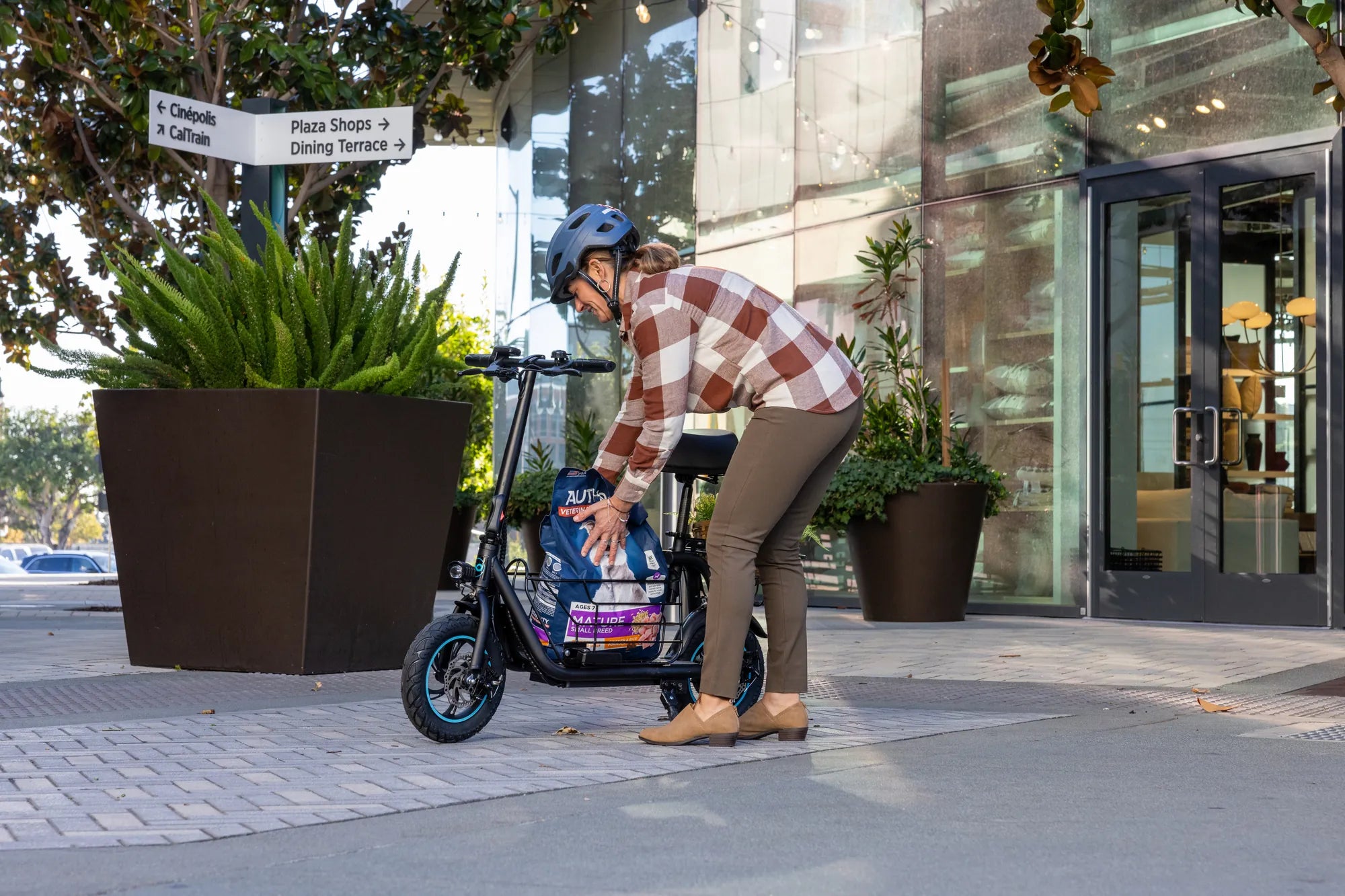
The Rise of the E-Bike as the Ultimate City Commuter
The e-bike city bike represents a fundamental shift in how people navigate urban environments. Unlike traditional bicycles that require significant physical exertion, electric-assist models enable riders to conquer hills, extend their range, and arrive at destinations without excessive sweating. This transformation addresses the primary barriers that kept many commuters from cycling regularly in cities.
Urban mobility challenges have reached critical levels in most metropolitan areas. Traffic congestion costs the average American commuter 54 hours annually according to INRIX research, while public transit systems often suffer from reliability issues. The e-bike city bike emerges as a practical solution that bypasses traffic, reduces transportation costs, and provides door-to-door convenience without parking hassles.
Gyroor has established itself as a leader in this space by focusing on the specific needs of urban commuters. With over 100,000 riders across North America and Europe, the brand understands what makes a reliable city e-bike. Their models combine safety certifications, weather-resistant designs, and practical features that address real-world urban challenges.
The adoption of e-bikes in cities isn't just a trend—it's a response to quantifiable urban problems. Cities like Paris, Barcelona, and Portland have seen e-bike usage increase by 300-500% in recent years according to municipal transportation data. This growth reflects a fundamental rethinking of how people move through dense urban environments.
What Defines a True City E-Bike? Key Features for Urban Navigation
A genuine e-bike city bike differs significantly from mountain, road, or cargo e-bikes. Urban environments demand specific features that prioritize safety, convenience, and durability over specialized performance characteristics. The ideal city e-bike functions as reliable daily transportation rather than recreational equipment.
Urban navigation presents unique challenges including stop-and-go traffic, varied road surfaces, frequent dismounting, and exposure to weather. A well-designed city e-bike addresses these through integrated features rather than aftermarket additions. This holistic approach ensures all components work together seamlessly for the urban environment.
Frame Geometry and Comfort
City e-bikes typically feature upright riding positions that improve visibility in traffic and reduce strain on the back and neck during longer commutes. This geometry allows riders to maintain better awareness of their surroundings, which is crucial in busy urban environments. The upright position also facilitates easier mounting and dismounting at traffic lights and intersections.
Step-through frame designs have become increasingly popular for city e-bikes, particularly for commuters who wear work attire or have limited mobility. These frames eliminate the need to swing a leg over the seat, making the bike accessible to a wider range of riders. Gyroor incorporates this design in several models specifically for urban commuters.
Integrated mounting points represent another essential feature for true city e-bikes. Built-in rack and fender mounts allow for easy installation of practical accessories without compromising the bike's structural integrity. This thoughtful engineering ensures that commuters can carry bags, groceries, or work materials securely and conveniently.
Motor and Battery Integration
The ideal city e-bike motor provides smooth, predictable assistance that feels natural rather than overpowering. Hub motors located in the rear wheel offer quiet operation and minimal maintenance, making them well-suited for daily commuting. These motors typically provide 250-500 watts of power, sufficient for urban hills and acceleration from stops.
Battery integration affects both security and aesthetics in urban environments. Seamlessly integrated batteries that lock within the frame prevent theft and protect the electrical components from weather and impacts. This design approach also maintains the bike's clean lines, making it less obvious as an electric vehicle and potentially reducing theft appeal.
Range considerations for city e-bikes focus on typical urban commute distances rather than maximum possible distance. Most urban commutes range from 3-10 miles each way, so a 25-50 mile range provides sufficient buffer for multiple trips between charges. Smart battery management systems that prevent overcharging and overheating are essential for urban use where bikes may be charged in apartments or offices.
Practical Urban Add-Ons
Integrated lighting systems represent a non-negotiable feature for city e-bikes. Front and rear lights powered by the main battery ensure visibility in all conditions without the need for separate batteries or charging. These lights should be bright enough for urban environments where competing light sources can obscure cyclists.
Full-coverage fenders protect both the rider and the bike's components from road spray, puddles, and debris. In urban environments where streets may not be cleaned regularly and construction is common, this protection extends the bike's lifespan and keeps commuters cleaner. High-quality fenders also reduce maintenance by preventing grime from reaching critical components.
Audible signaling devices have evolved beyond simple bells in urban environments. Many city e-bikes now include electronic horns that can cut through traffic noise more effectively. This feature addresses the reality that many urban cyclists ride in areas where drivers may have windows closed and music playing.
Why Choose an E-Bike for Your City Commute? The Data-Driven Benefits
The decision to adopt an e-bike city bike should be based on quantifiable advantages rather than anecdotal evidence. Multiple studies and real-world data demonstrate clear benefits across efficiency, economics, health, and environmental metrics. These advantages become particularly pronounced in dense urban environments where traditional transportation faces inherent limitations.
Urban planners and transportation researchers have increasingly focused on e-bikes as a solution to what they term the "first-mile/last-mile" problem. This refers to the difficulty of connecting homes and final destinations to public transit hubs. E-bikes effectively extend the practical radius of transit stations from about 0.5 miles to 3-5 miles, dramatically increasing the utility of existing infrastructure.
Time Efficiency vs. Traffic & Transit
In congested urban corridors, e-bikes consistently outperform cars for trips under 10 miles. A 2023 study of 15 major U.S. cities found that e-bikes averaged 14-18 mph door-to-door during peak hours, while cars averaged 9-12 mph when factoring in parking time. This advantage becomes more pronounced in cities with dedicated bike infrastructure that bypasses traffic congestion.
Public transit comparisons reveal similar efficiency advantages for e-bikes. While trains and buses follow fixed routes and schedules, e-bikes provide direct point-to-point travel without transfers or waiting. For trips combining multiple modes, e-bikes as feeder transportation to transit hubs can reduce total commute time by 25-40% according to metropolitan transportation authority data.
Parking represents a hidden time cost for urban commuters that e-bikes eliminate entirely. The average driver in downtown areas spends 8-15 minutes searching for parking according to parking industry data. E-bikes can typically be secured at bike racks immediately adjacent to destinations, saving both time and the financial cost of parking fees.
Cost Analysis: E-Bike vs. Car & Public Transit
The financial case for e-bike city bike adoption becomes compelling when examining comprehensive ownership costs. A detailed breakdown reveals that e-bikes offer substantial savings even when compared to seemingly inexpensive transportation options like public transit.
| Expense Category | Average Car (Annual) | Public Transit (Annual) | E-Bike City Bike (Annual) |
|---|---|---|---|
| Purchase/Financing | $3,500-$7,000 | $0 (pass purchase) | $600-$1,200 (amortized over 3-5 years) |
| Fuel/Electricity | $1,200-$2,500 | $0 (included in pass) | $30-$50 |
| Insurance | $1,200-$2,400 | $0 | $0-$100 (optional) |
| Parking | $600-$3,600 | $0 | $0 |
| Maintenance | $500-$1,200 | $0 | $100-$200 |
| Total Annual | $7,000-$16,700 | $900-$1,800 | $280-$520 |
This table illustrates that even with a premium e-bike city bike costing $1,800-2,400, the annualized cost remains significantly lower than public transit when considering multi-year ownership. The savings become dramatic when compared to car ownership, with e-bikes costing approximately 3-5% of what the average urban resident spends on personal vehicle transportation.
Additional financial benefits include reduced healthcare costs associated with increased physical activity and potential tax incentives. Many municipalities and some employers now offer e-bike purchase incentives or pre-tax benefit programs similar to transit passes. These programs can reduce the effective purchase price by 20-30% in certain regions.
Health and Environmental Impact
The health benefits of e-bike commuting extend beyond basic physical activity. A 2022 study in the International Journal of Behavioral Nutrition and Physical Activity found that e-bike commuters accumulated 50-70% of the moderate-to-vigorous physical activity of traditional cyclists while being 3-4 times more likely to maintain their commuting habit long-term. This suggests that e-bikes provide sustainable health benefits rather than temporary improvements.
Cardiovascular benefits remain significant even with electric assistance. Research from the British Medical Journal indicates that e-bike riders experience heart rate elevations sufficient to meet moderate exercise guidelines for 80-90% of their ride time. This occurs because riders typically maintain higher average speeds and tackle more challenging routes than they would on traditional bikes.
Environmental impact calculations reveal substantial emissions reductions. The European Cyclists' Federation estimates that e-bikes produce approximately 22 grams of CO2 equivalent per passenger mile when accounting for electricity generation, compared to 404 grams for the average car. This represents a 95% reduction in transportation emissions for each mile shifted from car to e-bike.
Beyond direct emissions, e-bikes contribute to broader environmental benefits through reduced congestion, lower road wear, and decreased demand for parking infrastructure. A single parking space that accommodates 10-12 e-bikes represents more efficient land use in dense urban environments where space represents a premium resource.
Gyroor's Approach to the Perfect City E-Bike: Safety, Reliability, and Support
Gyroor has developed its e-bike city bike lineup around three core principles that address urban commuters' primary concerns. These principles guide engineering decisions, component selection, and customer support structures to create products specifically optimized for daily city use. This focused approach has resulted in models that balance performance, practicality, and long-term reliability.
The brand's experience with over 100,000 riders provides valuable data about real-world usage patterns and failure points. This information informs continuous improvement cycles that address the specific challenges of urban commuting. From battery placement to control interfaces, every design element undergoes evaluation based on how it performs in actual city conditions rather than laboratory environments.
UL-Certified Battery Safety
Battery safety represents the most critical concern for urban e-bike users who frequently charge their bikes in apartments, offices, or shared living spaces. Gyroor's commitment to UL certification ensures that every battery pack undergoes rigorous testing for thermal stability, electrical safety, and mechanical durability. This certification process includes over 20 specific tests that simulate worst-case scenarios.
The UL 2849 standard specifically addresses electrical systems for e-bikes, testing not just batteries but also chargers, motor controllers, and wiring harnesses. Compliance with this standard means the entire electrical system has been evaluated for fire risk, electrical shock hazards, and potential failure modes. This comprehensive approach provides peace of mind for riders who store their e-bikes indoors.
Battery management systems in Gyroor e-bikes incorporate multiple layers of protection including temperature monitoring, voltage balancing, and current limiting. These systems prevent overcharging, deep discharging, and thermal runaway—the primary causes of lithium-ion battery failures. The batteries are also designed to maintain performance across 500+ charge cycles, ensuring long-term reliability for daily commuters.
Built for the Elements: IPX5 Water Resistance
Urban commuters cannot avoid riding in wet conditions, making water resistance a practical necessity rather than a luxury feature. Gyroor's IPX5 rating indicates that its e-bike city bike models can withstand water jets from any direction without ingress causing harmful effects. This level of protection handles rain, puddles, and street spray that are inevitable in daily commuting.
The IPX5 standard requires testing with 12.5 liters per minute of water at 30 kPa pressure from a distance of 3 meters for at least 15 minutes. This simulates heavy rain conditions that would overwhelm lesser-protected electrical systems. This protection extends to motor connectors, display interfaces, and charging ports through specialized sealing techniques.
Beyond the formal IP rating, Gyroor implements additional protective measures including conformal coating on circuit boards, waterproof gaskets at all entry points, and drainage channels that redirect water away from critical components. These measures ensure that the e-bike remains reliable through seasonal weather changes and unexpected downpours during commutes.
Warranty and Support You Can Trust
The 1-year comprehensive warranty provided by Gyroor covers frame, motor, battery, and electronic components against manufacturing defects. This warranty reflects confidence in the durability of their e-bike city bike models and provides meaningful protection for what represents a significant investment for most commuters. The warranty process is designed to minimize downtime through efficient assessment and resolution.
U.S.-based support ensures that customers can communicate with representatives who understand local riding conditions, regulations, and infrastructure. This regional expertise proves valuable when addressing questions about maintenance schedules, accessory compatibility, or troubleshooting specific to North American urban environments. Support availability extends beyond business hours to accommodate commuters' schedules.
Gyroor maintains an extensive network of authorized service centers in major metropolitan areas, providing local repair options for issues beyond basic maintenance. This network continues to expand as e-bike adoption increases, ensuring that professional service remains accessible as the customer base grows. The company also provides comprehensive online resources including video tutorials, detailed manuals, and troubleshooting guides.
Choosing Your Gyroor City E-Bike: A Practical Comparison
Selecting the right e-bike city bike requires matching specific models to individual commuting needs, physical characteristics, and urban environments. Gyroor offers multiple models within its city e-bike category, each optimized for different use cases and rider preferences. This variety ensures that most urban commuters can find a model that aligns with their specific requirements.
The selection process should consider factors beyond basic specifications like range and motor power. Comfort features, accessory compatibility, storage requirements, and local terrain all influence which model will provide the best long-term commuting experience. Test rides, when available, offer valuable insights into how different frame geometries and assist profiles feel in actual riding conditions.
For the First-Time Commuter (Comfort & Value Focus)
First-time e-bike commuters benefit from models that prioritize intuitive operation and included essentials. Gyroor's entry-level city e-bikes feature simplified control interfaces with clear assist level indicators, integrated lighting systems, and practical accessories like racks and fenders. These complete packages eliminate the need for immediate additional purchases.
Comfort-oriented geometry with adjustable components allows new riders to find their optimal position without specialized knowledge. Features like suspension seat posts, ergonomic grips, and wide comfort saddles reduce the learning curve associated with regular cycling. These models typically offer moderate assist levels (up to 20 mph) that feel natural rather than overwhelming for those new to electric assistance.
Value considerations extend beyond initial purchase price to include long-term ownership costs. Models in this category utilize proven, reliable components that balance performance with maintenance accessibility. Standardized parts ensure that repairs and replacements remain affordable throughout the bike's lifespan, making them practical choices for budget-conscious commuters.
For the Long-Distance or Hilly Commuter (Range & Power Focus)
Commuters facing longer distances (10+ miles each way) or significant elevation gain require e-bikes with extended range capabilities and more powerful assist. Gyroor's performance-oriented city e-bikes feature higher capacity batteries (500Wh+) that provide 50-70 miles of realistic urban range. These models often include dual battery options for exceptional range when needed.
Motor performance in this category emphasizes torque rather than just top speed, providing better acceleration from stops and more consistent assistance on sustained climbs. Mid-drive motor configurations offer particular advantages for hilly terrain by leveraging the bike's gearing system. This results in more efficient power delivery that preserves battery capacity on challenging routes.
Advanced features like regenerative braking, multiple assist modes, and detailed battery management displays help riders optimize their energy usage for maximum range. These models often include upgraded braking systems (hydraulic disc brakes) and reinforced wheels that handle the additional stresses of frequent high-power assistance and potential cargo loads.
For the Space-Constrained Urbanite (Compact & Lightweight Focus)
Urban residents with limited storage space benefit from compact e-bike designs that fit in apartments, small elevators, or shared storage areas. Gyroor's folding and lightweight city e-bikes address these constraints without sacrificing essential features. Folding mechanisms allow the bike to reduce its footprint by 50-70% for storage or transportation on public transit.
Weight considerations become particularly important for commuters who need to carry their e-bike up stairs or lift it onto transit racks. Lightweight aluminum frames combined with compact battery and motor systems keep total weight below 45 pounds in some models. This makes them manageable for most adults despite the additional components required for electric assistance.
Despite their compact dimensions, these models maintain practical features like integrated lighting, fender protection, and sufficient cargo capacity for daily commuting needs. Quick-release components allow for further size reduction when needed, while maintaining structural integrity and safety during normal riding conditions. These bikes prove particularly versatile for multimodal commuters combining cycling with trains or buses.
Essential Accessories for Your City E-Bike Experience
While a well-designed e-bike city bike includes many essential features, certain accessories significantly enhance safety, convenience, and security in urban environments. These additions address specific urban challenges that may not be fully covered by the base bike's features. Strategic accessory selection creates a more complete commuting solution.
Security represents the primary concern for urban e-bike owners, with theft rates varying significantly between cities. A high-quality U-lock or folding lock provides the foundation of any security strategy, supplemented by secondary cable locks for securing removable components. GPS tracking devices designed specifically for e-bikes offer additional protection and potential recovery options.
Cargo solutions extend the utility of city e-bikes beyond basic transportation. Rear racks compatible with pannier bags allow commuters to carry work materials, groceries, or change of clothes without resorting to backpacks that can cause discomfort and overheating. Front baskets or handlebar bags provide quick-access storage for smaller items needed during the ride.
Visibility enhancements become crucial in urban environments with complex lighting conditions and numerous visual distractions. Supplementary lighting, particularly rear-facing options with brake light functionality, increases conspicuity to following traffic. Reflective tape applied to frame surfaces and wheel rims creates additional visibility from multiple angles.
Maintenance accessories designed for regular upkeep help extend the e-bike's lifespan between professional service intervals. Basic tool kits, tire repair supplies, and chain lubrication systems enable riders to address common issues before they develop into major problems. Portable air pumps that attach to the frame ensure proper tire pressure maintenance for optimal efficiency and safety.
City E-Bike Maintenance: Keeping Your Commute Reliable
Regular maintenance ensures that an e-bike city bike remains a dependable transportation option rather than becoming a source of frustration. Electric components introduce additional maintenance considerations beyond traditional bicycles, though many aspects remain similar. A structured maintenance approach addresses both mechanical and electrical systems systematically.
The electrical system requires periodic attention to connections, display functionality, and battery health. Monthly inspections should verify that all electrical connections remain secure and protected from moisture ingress. Battery contacts should be cleaned with isopropyl alcohol every 3-6 months to ensure optimal conductivity and charging performance.
Mechanical components follow maintenance schedules similar to traditional bicycles but may experience different wear patterns due to higher average speeds and weights. Brake pads wear more quickly on e-bikes, typically requiring replacement every 500-800 miles in urban conditions. Chain and drivetrain components benefit from more frequent cleaning and lubrication due to increased torque transmission.
Seasonal maintenance prepares the e-bike for changing weather conditions that affect both performance and longevity. Winter riding in northern climates necessitates more frequent cleaning to remove road salt and anti-icing chemicals that accelerate corrosion. Summer conditions may require attention to thermal management, particularly ensuring that battery ventilation remains unobstructed during charging and storage.
Professional servicing at recommended intervals (typically every 500-1,000 miles) addresses complex adjustments and diagnostics beyond basic maintenance. Certified technicians can perform motor software updates, torque sensor calibration, and comprehensive electrical system diagnostics that maintain optimal performance. These services often identify potential issues before they cause unexpected failures during commutes.
City E-Bike FAQs: Your Top Questions Answered
1. Do I need a license, registration, or insurance for an e-bike city bike?
In most U.S. states and Canadian provinces, e-bikes meeting specific criteria (750W maximum motor power, 20 mph maximum assisted speed) are classified as bicycles rather than motor vehicles. This means they typically don't require licensing, registration, or mandatory insurance. However, regulations vary by municipality, so checking local ordinances is essential. Some cities have additional restrictions on where e-bikes can operate.
2. How do I securely park my e-bike in the city to prevent theft?
Secure parking requires multiple layers of protection: First, use a high-quality U-lock or folding lock (Sold Secure Gold or Diamond rated) to secure the frame and rear wheel to an immovable object. Second, use a secondary cable or chain lock for the front wheel. Third, remove the battery and display unit if possible. Fourth, park in well-lit, high-traffic areas with dedicated bike racks. Fifth, consider a GPS tracker for recovery assistance.
3. What real-world range can I expect from my e-bike on city streets?
Published range figures represent ideal conditions; real-world urban range depends on multiple factors: rider weight, cargo load, assist level usage, terrain, temperature, and tire pressure. Typically, commuters using moderate assist levels (2-3 out of 5) can expect 60-80% of published range. For a 500Wh battery, this translates to 25-40 miles in mixed urban conditions. Higher assist levels, hills, headwinds, and colder temperatures reduce range proportionally.
4. How much maintenance do e-bikes require compared to regular bikes?
E-bikes require similar mechanical maintenance to traditional bicycles (brake adjustments, drivetrain cleaning, tire pressure checks) but with additional attention to electrical components. Expect to spend 15-30 minutes weekly on basic checks and cleaning, plus 1-2 hours monthly on more thorough maintenance. Professional servicing every 6-12 months (or 500-1,000 miles) addresses complex electrical diagnostics and specialized component adjustments.
5. Are e-bikes allowed on bike paths, in bike lanes, and on public transit?
Most dedicated bike infrastructure accommodates e-bikes classified as bicycles, though some multi-use paths may have speed restrictions. Public transit policies vary significantly: Most buses with bike racks accept e-bikes under 50 pounds; trains often have specific cars for bikes; subways may restrict e-bikes during peak hours. Always check with your local transit authority for current policies, and consider folding models for maximum transit compatibility.
6. How should I handle charging my e-bike battery in an apartment or office?
Apartment charging requires safety precautions: Use only the manufacturer-provided charger, charge on non-flammable surfaces away from combustible materials, avoid charging unattended overnight, and ensure proper ventilation around the battery. Many offices now provide dedicated e-bike charging areas; if not, seek permission before charging at your workspace. Some municipalities require UL-certified batteries for indoor charging—Gyroor's UL certification addresses this requirement specifically.
Reimagine Your City Commute with Confidence
The e-bike city bike represents more than just transportation—it's a practical solution to urban mobility challenges that combines efficiency, economy, health benefits, and environmental responsibility. Data from cities worldwide demonstrates that e-bike adoption reduces congestion, lowers transportation costs, and creates more livable urban environments. This evidence-based approach to urban mobility continues to gain momentum as infrastructure improves and awareness grows.
Gyroor's commitment to safety, reliability, and support addresses the legitimate concerns that prevent many urban residents from embracing e-bike commuting. UL-certified batteries provide peace of mind for indoor charging, IPX5 water resistance ensures all-weather capability, and comprehensive warranty coverage protects your investment. These foundational elements create a platform for confident, long-term e-bike ownership.
Your specific urban environment, commute distance, storage situation, and physical requirements will determine which e-bike city bike model serves you best. Whether you're a first-time commuter seeking simplicity, a long-distance rider needing extended range, or a space-constrained urbanite requiring compact storage solutions, the right e-bike exists to transform your daily travel experience.
Ready to experience the urban mobility transformation firsthand? Browse the full Gyroor collection at gyroorboard.com to discover e-bikes engineered specifically for city living. Join over 100,000 riders who have redefined their commute through electric-assisted cycling that's safe, reliable, and genuinely enjoyable.
ebike converter kit: The Ultimate Guide to Converting Your Bike
How Fast Can a 49cc Scooter Go? Top Speed, Factors & Comparisons