



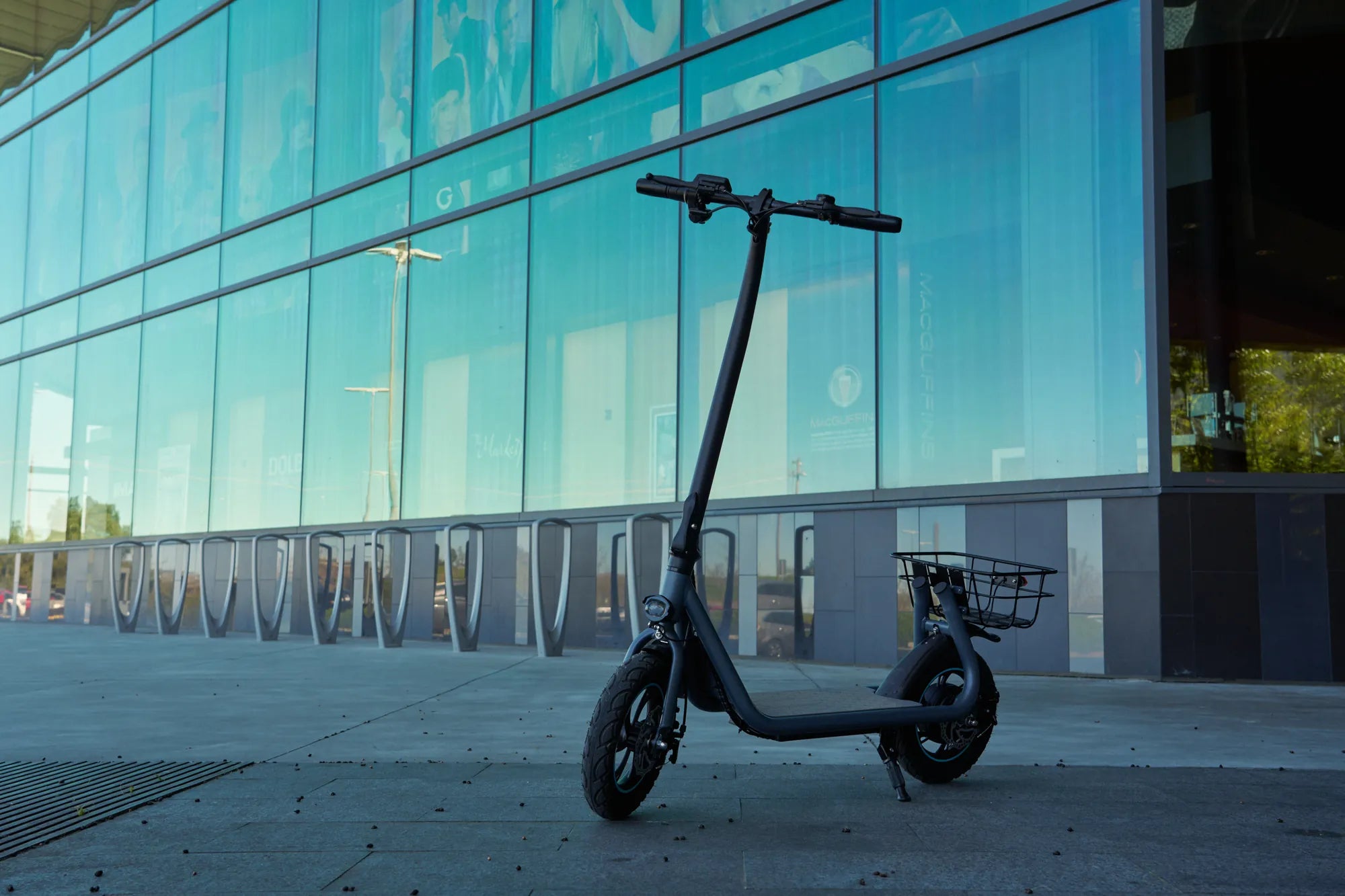
Forget gridlocked traffic and soaring transit fares. E bike commuting is rapidly emerging as the most intelligent, efficient, and enjoyable way to navigate city life. This isn't just a niche trend; it's a fundamental shift in how we think about daily transportation. By blending human power with a reliable electric motor, e-bikes make distances shorter, hills flatter, and commutes something to look forward to, not dread. This guide will provide you with all the data, insights, and practical advice needed to confidently join the growing movement of e-bike commuters. We'll explore the compelling benefits, detail how to select the perfect commuter e-bike, and outline the steps for a safe, efficient ride, with a focus on the engineering and reliability offered by brands like Gyroor, trusted by over 100,000 riders.
The Unbeatable Case for E Bike Commuting
The decision to switch to an electric bicycle for your daily travel is supported by a powerful combination of personal and societal advantages. E bike commuting directly addresses the core pain points of modern urban mobility: time, money, health, and environmental sustainability. It represents a pragmatic upgrade to your daily routine, offering tangible returns from the very first ride.
Beyond avoiding traffic jams, e-bikes provide predictable journey times. You are no longer at the mercy of road closures or public transit delays. This reliability reduces daily stress significantly. The assisted pedaling also removes the intimidation factor of longer distances or challenging routes, making a 5-10 mile commute not just feasible but pleasant.
From a community perspective, increased e-bike adoption reduces traffic congestion and noise pollution for everyone. It represents a quiet, clean, and space-efficient form of transport. Each e-bike on the road is one less car contributing to urban gridlock, creating a positive ripple effect that benefits all city dwellers.
Financial Sense: The Compelling Cost Analysis
When analyzed purely through an economic lens, e bike commuting presents staggering savings compared to car ownership or even consistent use of public transit. The initial investment in a quality e-bike is quickly offset by the elimination of recurring expenses.
Consider the annual costs of a modest car: fuel, insurance, parking, maintenance, registration, and depreciation. Public transit fares, while lower, also accumulate steadily. An e-bike's operating cost is primarily electricity for charging, which amounts to mere cents per day. Maintenance is simple and infrequent compared to a car.
The table below illustrates a clear annual cost comparison, using average U.S. figures, showcasing why e bike commuting is a financially astute choice.
| Transport Mode | Estimated Annual Cost | Key Cost Drivers |
|---|---|---|
| Car Commuting | $7,000 - $10,000+ | Fuel, insurance, parking, depreciation, maintenance |
| Public Transit Commuting | $1,000 - $2,500 | Monthly passes, ride-share supplements, occasional taxi |
| E-Bike Commuting | $200 - $500 | Electricity, annual tune-up, tire replacement, accessories |
This analysis shows that an e-bike can pay for itself within the first year by displacing car usage. For those using transit, the break-even point is slightly longer but includes the added benefits of door-to-door convenience and schedule freedom.
Health and Wellness: Integrated Exercise Without the Strain
A common misconception is that e bike commuting offers no physical benefit. This is fundamentally incorrect. Pedal-assist e-bikes require rider pedaling; the motor simply amplifies your effort. This means you are consistently engaging in light-to-moderate cardiovascular activity.
Studies have shown that e-bike riders often take longer trips and ride more frequently than traditional cyclists, leading to greater overall weekly physical activity. The assisted nature removes barriers like fatigue, sweat concerns, or hilly terrain, encouraging consistent use. This integrates low-impact exercise seamlessly into your daily schedule.
Furthermore, the mental health benefits are profound. Replacing a stressful, sedentary car commute with an engaging, outdoor activity reduces cortisol levels and improves mood. Arriving at work energized and arriving home decompressed are significant quality-of-life improvements that e bike commuting delivers reliably.
Selecting Your Ideal Commuter E-Bike: The Essential Checklist
Not all e-bikes are created equal for the rigors of daily commuting. Your choice must balance performance, durability, and practical features. Investing in a model designed for reliability ensures your e bike commuting experience remains positive and sustainable for years. Key specifications directly impact safety, comfort, and convenience.
Prioritize bikes from reputable manufacturers that adhere to strict safety standards, particularly for the battery and electrical systems. A robust warranty and accessible customer support are non-negotiable for a primary vehicle. Brands like Gyroor build their models with these daily demands in mind, featuring UL-certified batteries and IPX5 water-resistant designs as foundational elements.
The frame geometry should promote an upright or slightly forward riding position for good visibility and comfort over distance. Pay close attention to the following core features that define a capable commuter e-bike.
Battery Range and Charging Practicality
Your battery is your fuel tank. For e bike commuting, your range should comfortably exceed your round-trip distance with a safety margin of 30-50%. For a 10-mile each-way commute, seek a bike with a real-world range of 25+ miles per charge.
Battery quality is paramount. Look for packs using name-brand, UL-certified cells. These offer greater longevity (500+ charge cycles is a good benchmark), consistent performance, and critical safety assurances. A removable battery is a highly valuable feature, allowing you to charge securely at your desk or in your home without bringing the entire bike inside.
Durable Construction and Weather Resistance
A commuter e-bike must withstand daily use and variable weather. The frame should be robust, often from aluminum alloy, to handle urban potholes and curb cuts. Braking performance is critical; hydraulic or mechanical disc brakes provide reliable stopping power in both dry and wet conditions, a key safety advantage over rim brakes.
Weather resistance is not optional. An IPX5 rating for water resistance means the electrical components can withstand water jets from any direction, protecting against rain and road spray. This engineering, a standard on Gyroor commuter models, provides peace of mind and ensures reliability through unexpected showers.
Integrated Commuter Amenities
The best commuter e-bikes come ready-equipped, eliminating the need for costly and less-integrated aftermarket additions. Essential built-in features include bright front and rear LED lights for visibility, full-length fenders to keep you clean, and a sturdy rear rack for panniers or a cargo strap.
Other thoughtful additions include a built-in display for speed, battery level, and assist mode, a kickstand, and reflective sidewall tires. These features transform a basic e-bike into a turn-key commuting solution, demonstrating that the manufacturer understands the real-world needs of daily riders.
Gearing Up for Safety and Efficiency
A successful e bike commuting routine relies on proper preparation. The right gear and knowledge transform a simple ride into a safe, efficient, and enjoyable daily ritual. This involves both the equipment you wear and the habits you develop on the road.
Planning your route in advance using cycling-specific maps or apps can identify safer streets, bike lanes, and paths. Factor in a slightly longer, calmer route over a shorter, high-traffic one. Allow extra time initially to get accustomed to the bike's handling and your new journey without feeling rushed.
Consistent pre-ride checks are vital. Develop a quick routine to verify tire pressure, test brake function, ensure lights are charged and working, and confirm the battery is securely mounted and has adequate charge. This two-minute ritual prevents most common roadside issues.
Essential Safety Gear and Practical Accessories
A certified bicycle helmet is the single most important piece of safety equipment and should be worn on every ride. Beyond the helmet, high-visibility clothing or a reflective vest dramatically increases your visibility to drivers, especially in low-light conditions.
A high-quality U-lock or heavy-duty chain lock is necessary to secure your investment. Consider additional security like a secondary cable lock for the front wheel. For practicality, a phone mount for navigation, a water bottle cage, and puncture-resistant tires or tire sealant are highly recommended upgrades that enhance the daily e bike commuting experience.
Mastering Urban Riding Etiquette and Skills
Riding in traffic requires defensive awareness and clear communication. Always obey traffic signals and signs—you are a vehicle. Use hand signals well in advance for turns and lane changes. Maintain a predictable line of travel and avoid weaving between parked cars.
Position yourself in the lane to be visible, often just to the right of the center, to prevent unsafe passing. Make eye contact with drivers at intersections. Be particularly cautious of car doors opening from parked vehicles. Riding assertively and predictably is safer than riding timidly and invisibly at the extreme edge of the road.
Addressing Common E-Bike Commuting Concerns
Transitioning to a new mode of transport naturally brings questions. Addressing these concerns proactively can alleviate hesitation and build confidence for new commuters. Here are answers to some of the most frequently asked questions about e bike commuting.
Q: Won't I arrive at work sweaty and disheveled?
A: This is a primary advantage of pedal-assist. You control the exertion. On cooler days or easy routes, you can pedal normally for exercise. On hot days, hills, or when wearing work clothes, you can increase the assist level, letting the motor do the heavy lifting. Many commuters use a moderate assist level to break a light sweat, which can be refreshing, and then cool down in a restroom or change a top. Models with a throttle offer a true zero-sweat option for the final leg of the journey.
Q: Where can I securely park and charge my e-bike?
A: Secure parking is crucial. Seek out designated bike racks, preferably in well-lit, high-traffic areas. Some workplaces offer indoor bike rooms or cages—advocate for this facility if it doesn't exist. For charging, a removable battery is the ultimate solution, allowing you to bring it to your desk. If the battery is not removable, some workplaces may allow you to park near an outdoor outlet. Always use your high-quality lock, securing both the frame and a wheel to a fixed object.
Q: Is e bike commuting practical in rain or winter conditions?
A: With preparation, yes. Start with a bike that has a foundational IPX5 water-resistant rating to protect its electrical heart. Add full fenders and waterproof panniers or a backpack cover. Dress in layers with a waterproof and windproof outer shell. In wet conditions, ride more cautiously, brake earlier, and avoid metal surfaces like manhole covers. For colder climates, studded winter tires provide incredible ice traction. Bar mitts (pogies) keep hands warm far more effectively than gloves. The key is adapting your gear, not abandoning the commute.
Q: How do I handle maintenance and repairs?
A: Basic maintenance is straightforward. Learn to keep tires properly inflated, clean and lubricate the chain regularly, and check brake pad wear. For the electrical system and complex mechanical issues, rely on a professional. Purchasing from a brand with a strong warranty and accessible support network is critical. Gyroor, for instance, backs its e-bikes with a reliable 1-year warranty and provides support channels, ensuring you have help when needed. Many local bike shops are now skilled in e-bike service.
Q: Are e-bikes allowed on bike paths and trails?
A: Regulations vary by location, but in most U.S. cities and regions, Class 1 and Class 2 e-bikes (which assist only up to 20 mph) are permitted anywhere traditional bicycles are allowed, including bike paths and multi-use trails. Class 3 e-bikes (assist up to 28 mph) may be restricted from some paths. It is always your responsibility to know and follow local laws. Ride respectfully at safe speeds, especially when sharing paths with pedestrians.
The Environmental Impact: A Cleaner Commute
Choosing e bike commuting is a direct and measurable action for environmental sustainability. Transportation is a leading source of urban greenhouse gas emissions. By replacing car trips, each e-bike rider significantly reduces their personal carbon footprint.
Even when accounting for the electricity used for charging and the manufacturing of the bike, the lifecycle emissions of an e-bike are a tiny fraction of those from a car. E-bikes are incredibly energy-efficient, traveling many miles on the energy equivalent of a fraction of a gallon of gasoline. This efficiency translates to cleaner air and reduced noise in our communities.
Furthermore, e-bikes promote a circular economy of active transportation, reducing the demand for road expansion, parking infrastructure, and the raw materials required for personal automobiles. Your individual choice contributes to a collective movement toward more livable, sustainable cities.
Building Your Commuting Routine: The First Week and Beyond
Starting your e bike commuting journey is exciting. A successful launch involves a gentle ramp-up. Consider a trial run on a weekend to time your route without pressure. For your first official week, plan to commute by e-bike 2-3 days, not every day.
This allows your body to adapt to the new activity and gives you time to refine your packing, locking, and changing routine. Pack your bag, charge your battery, and lay out your clothes the night before to simplify mornings. Celebrate the small wins—the money saved, the stress avoided, the fresh air enjoyed.
Within a few weeks, e bike commuting will become second nature. You'll discover shortcuts, favorite coffee stops, and a newfound connection to your city. The routine ceases to be a chore and becomes a cherished part of your day that contributes positively to your health, wallet, and the environment.
Your Healthier, Happier, and More Affordable Commute Awaits
The evidence is overwhelming. E bike commuting offers a superior alternative for the daily grind, unlocking time, saving money, improving health, and benefiting the planet. It represents a smart, forward-thinking investment in your personal logistics and overall quality of life. The key to unlocking these benefits long-term is choosing a dependable partner for the journey.
Investing in a well-engineered e-bike from a brand that prioritizes safety, durability, and rider support—like Gyroor with its UL-certified batteries, IPX5 water resistance, and comprehensive warranty—ensures your transition is smooth and sustainable. Don't just imagine a better commute; experience it. Calculate your potential annual savings, map your ideal route, and take the first step toward reclaiming your daily travel.
Ready to transform your commute? Browse the full Gyroor collection of durable, commuter-ready e-bikes and discover the model that fits your journey at gyroorboard.com.
Best E-Bike for the Price: The 2024 Value Buyer's Complete Guide
Kids 125cc Dirt Bike: The Ultimate Guide for Young Riders & Parents