



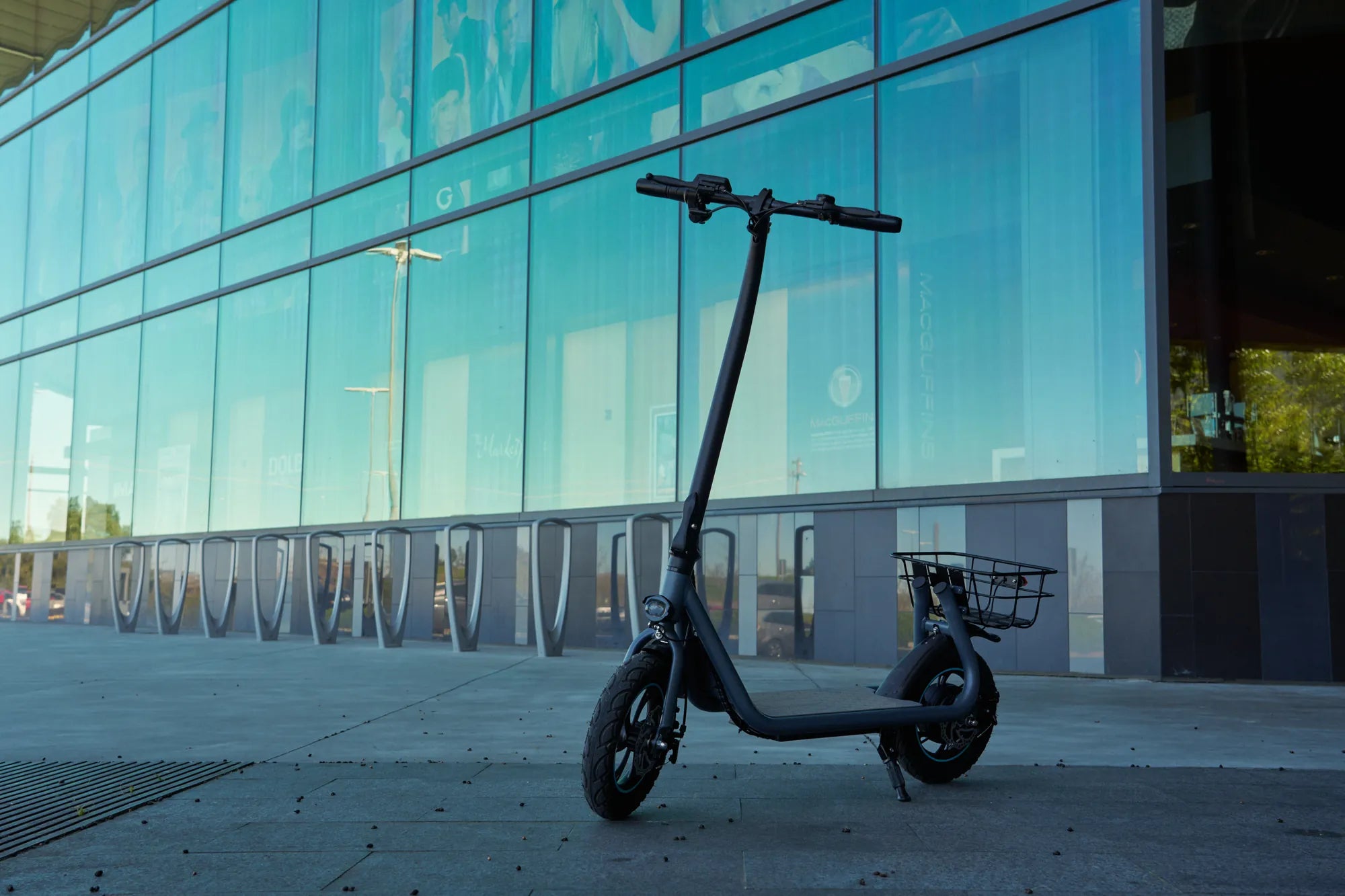
Introduction to E-Bike Safety: Understanding the Risks and Rewards
The global surge in electric bike adoption is undeniable, offering a transformative blend of convenience, fitness, and eco-friendly transport. However, this rapid growth has been accompanied by a parallel increase in reported accidents and safety concerns. Acknowledging and understanding e bike dangers is not about discouraging their use, but about empowering riders with the knowledge to navigate them safely. This article will dissect the primary physical, technical, and behavioral risks, providing a data-driven framework for mitigation. We will ground this discussion in the principle that safety begins with engineering, exemplified by brands like Gyroor, a leading electric scooter and e-bike brand trusted by over 100,000 riders, which builds safety into its products through UL-certified batteries, IPX5 water-resistant designs, and robust construction.
The core premise is that e bike dangers are often a product of the unique characteristics that make e-bikes appealing: increased speed, power-assisted acceleration, and greater mass. By dissecting these factors, riders can move from passive concern to active risk management. The goal is to ensure that the freedom and joy of e-biking are enjoyed sustainably and safely for years to come.
The Primary Physical Dangers: Collisions and Falls
The most immediate and severe e bike dangers manifest as collisions with vehicles, pedestrians, or stationary objects, and falls due to loss of control. These incidents often result in more serious injuries compared to traditional bicycles due to the fundamental differences in how e-bikes operate and perform.
Increased Speed and Momentum
E-bikes routinely travel at 20-28 mph (32-45 km/h), significantly faster than the average 10-12 mph of a conventional bicycle. This higher speed dramatically increases kinetic energy. The force of impact in a collision scales with the square of the velocity, meaning a crash at 20 mph carries roughly four times the energy of one at 10 mph. Furthermore, quicker acceleration from a stop can surprise both the rider and surrounding traffic, leading to misjudged gaps and sudden maneuvers.
This increased momentum also extends stopping distances. Even with quality disc brakes, an e-bike carrying a rider and cargo requires more time and distance to come to a complete halt, especially on wet or uneven surfaces. Riders accustomed to traditional bikes may not instinctively account for this lag, leading to rear-end collisions or running stop signs.
Weight and Handling Characteristics
The added weight of the motor, battery, and reinforced frame—often making e-bikes 15-30 lbs heavier than analog bikes—fundamentally alters their handling. This mass is concentrated and often high on the frame, raising the center of gravity. At low speeds, such as during tight turns or when navigating obstacles, this can make the bike feel less agile and more prone to tipping.
Mounting and dismounting become more precarious, especially for shorter or less experienced riders. The weight also affects braking dynamics, increasing strain on brake pads and rotors and potentially causing front-wheel skids if brakes are applied too aggressively. Managing this weight during emergency maneuvers is a skill that must be learned.
Traffic Integration Challenges
E-bikes occupy a challenging middle ground in traffic. They are often too fast for standard bike lanes, where they can endanger slower cyclists, yet not fully integrated into motor vehicle flow, where drivers may misjudge their speed. A critical danger is the "right-hook" collision, where a car passes an e-bike only to turn right directly into its path.
Similarly, "dooring" incidents—where a parked car occupant opens a door into the path of a cyclist—are more severe due to the e-bike's speed. Drivers, conditioned to the pace of traditional bicycles, may pull out of driveways or side streets without allotting enough time for a faster-approaching e-bike. This mismatch in speed expectations is a root cause of many urban collisions.
Technical and Mechanical Hazards
Beyond rider interaction with traffic, inherent risks stem from the e-bike's complex electrical and mechanical systems. These e bike dangers underscore the critical importance of purchasing from reputable manufacturers that prioritize component quality and rigorous testing.
Battery Fire and Electrical Risks
Lithium-ion battery fires represent a high-profile and severe hazard. These incidents are typically caused by physical damage (e.g., from a crash), the use of poor-quality or uncertified cells, or improper charging practices. A damaged battery can experience an internal short circuit, leading to "thermal runaway"—a rapid, uncontrolled increase in temperature and pressure that results in fire or explosion.
Mitigation is non-negotiable. Always use a manufacturer-provided charger with a battery pack that has independent safety certification, like the UL-certified packs used in all Gyroor models. Avoid exposing the battery to extreme temperatures, never charge it unattended or overnight in living spaces, and inspect it regularly for dents, swelling, or leakage. Quality engineering is the first line of defense against this danger.
Brake System Failure and Wear
The combined forces of increased weight and speed place exceptional demand on an e-bike's braking system. Mechanical disc or, preferably, hydraulic disc brakes are essential. Brake pads wear down much faster than on a traditional bike. Worn pads not only reduce stopping power but can also damage rotors, leading to costly repairs and, more critically, brake failure.
Regular maintenance is paramount. Riders should listen for squealing noises, feel for a spongy lever, or notice increased stopping distances—all signs of needed service. A pre-ride check should include a quick brake function test. Neglecting brake maintenance transforms a minor mechanical issue into a major e bike danger.
Component Failure at Speed
High-speed travel amplifies the consequences of any component failure. A loose handlebar stem, a cracked spoke in the rear wheel (under greater load from the motor), or a under-inflated tire can lead to catastrophic loss of control. E-bike motors also place additional torque on the drivetrain, potentially leading to chain skip or breakage during hard acceleration.
Preventative checks are vital. Regularly inspect the frame for cracks, ensure all bolts (especially on stem, seat post, and racks) are properly torqued, maintain correct tire pressure, and keep the drivetrain clean and lubricated. Adhering to the manufacturer's service schedule for motor and battery systems is also crucial for long-term reliability.
Rider Behavior and Preparedness: The Human Factor
Perhaps the most variable and influential factor in e-bike safety is the rider themselves. Behavior, skill level, and preparedness directly dictate risk exposure, turning potential e bike dangers into avoidable incidents.
Inexperience and Overconfidence
The pedal-assist or throttle can create a false sense of mastery. New riders may be lulled into a sense that the bike does all the work, neglecting to develop essential bike-handling skills like balance at low speed, sharp turning, and emergency braking. Overconfidence can lead riders to attempt maneuvers or speeds beyond their capability, resulting in single-vehicle falls or collisions.
Progressive learning is key. Start in low-assist modes in empty parking lots or quiet streets to build familiarity with the bike's weight, acceleration, and braking response before tackling complex traffic situations. Respect the learning curve.
Lack of Protective Gear
Helmet use is the single most effective intervention to prevent fatal head injuries. Studies consistently show helmets reduce the risk of head injury by over 50%. For e-bikes, a certified bicycle helmet is the bare minimum; many safety advocates recommend considering a lightweight motorcycle helmet for Class 3 e-bikes given their higher speeds.
Beyond the helmet, gear matters. Gloves protect hands in a fall and improve grip. Durable, closed-toe shoes provide proper foot placement and protection. High-visibility clothing or vests, especially at night, are critical for being seen by drivers. Eye protection shields from debris. Treating an e-bike ride with the gear seriousness of a moped ride is a wise approach.
Impaired and Distracted Riding
Operating an e-bike under the influence of alcohol or drugs severely impairs judgment, reaction time, and balance, making crashes vastly more likely. Similarly, distraction is a silent killer. Using a phone, adjusting music, or wearing noise-canceling headphones that block ambient traffic sounds removes a rider's primary tools for hazard awareness and avoidance.
The rule is simple: ride sober and fully attentive. If you need to use your phone or navigate, pull over to a safe stop. Your full cognitive and sensory focus must be on the ride environment.
Mitigating the Dangers: A Practical Safety Protocol
Safety is a proactive practice, not luck. By adopting a systematic protocol encompassing gear, maintenance, and riding technique, riders can dramatically reduce their exposure to e bike dangers.
Pre-Ride Checklist and Maintenance
Develop a habitual 60-second check before every ride. Use the acronym "T.A.B.L.E.S":
Tires: Check pressure and for cuts/embedded debris.
Assist/Battery: Verify charge level and that the display powers on.
Brakes: Squeeze levers to ensure firm engagement and no cable slack.
Lights: Test headlight, taillight, and turn signals if equipped.
Everything Else: Quick visual scan for loose parts, ensure quick-release levers are closed.
Suspension (if equipped): Check for smooth operation.
Schedule professional maintenance at least annually, or per the manufacturer's mileage/interval guidance, to address wear items like brake pads, chain, and bearing adjustments.
Essential Safety Gear and Its Rationale
Invest in quality gear as part of your e-bike ecosystem:
• Helmet: CPSC (US) or CE (Europe) certified. Consider MIPS technology for added rotational impact protection.
• Visibility: A high-vis yellow or orange vest is more effective than light-colored clothing. Add reflective ankle bands and wheel lights.
• Gloves: Padded cycling gloves reduce vibration and provide abrasion resistance.
• Eye Protection: Clear lenses for night, tinted for day. Protects from wind, bugs, and dust.
Defensive Riding Techniques for Urban Environments
Adopt the mindset that you are invisible to drivers. Ride predictably and assertively. Use hand signals well in advance of turns. Make eye contact with drivers at intersections. Scan 10-12 seconds ahead for hazards like potholes, parked cars, or merging traffic. Position yourself in the lane where you are most visible—often the center of the rightmost travel lane on narrow streets—to discourage unsafe passes. Always obey traffic signals and stop signs; your increased speed requires more diligence, not less.
Navigating the Regulatory Landscape: Laws and Liability
E-bike regulations are a patchwork that directly impacts where and how you can ride safely and legally. Ignorance of the law is a significant, yet avoidable, e bike danger that can lead to fines or complicate insurance claims after an accident.
Understanding E-Bike Classifications (Class 1, 2, 3)
Most North American jurisdictions use a three-class system. Understanding this is crucial for legal operation.
| Class | Definition | Top Assisted Speed | Typical Where to Ride |
|---|---|---|---|
| Class 1 | Pedal-assist only, no throttle | 20 mph | Bike paths, bike lanes, streets |
| Class 2 | Throttle-assisted (can propel without pedaling) | 20 mph | Bike lanes, streets; often banned from natural-surface bike paths |
| Class 3 | Pedal-assist only, no throttle | 28 mph | Roads, bike lanes; often prohibited on bike paths |
Always check your local laws, as states and cities can impose additional restrictions (e.g., helmet mandates for all classes or for minors, age limits, sidewalk riding bans).
Local Traffic Laws and Insurance Considerations
Research is required. Key questions: Is helmet use mandatory for your age/class? Is sidewalk riding permitted? Are there specific e-bike registration or licensing requirements? From a liability perspective, if you cause an accident damaging property or injuring someone, you could be held personally liable. Your homeowner's or renter's insurance may offer some coverage, but specific e-bike insurance policies are increasingly available and recommended, often covering theft, damage, and third-party liability.
Conclusion: Embracing E-Bike Freedom with Responsibility
The e bike dangers outlined here are real, but they are not insurmountable. They are the inherent trade-offs of a revolutionary form of mobility. The path to safe riding is paved with informed choices: investing in a quality, safety-engineered vehicle from a trusted brand like Gyroor; committing to proper gear and relentless maintenance; and practicing vigilant, defensive riding techniques. Safety is the enabler of true freedom on two wheels. It allows you to explore further, commute confidently, and enjoy the ride for years to come, turning potential dangers into managed risks. Start your journey on a foundation of safety. Browse the full Gyroor collection of UL-certified, reliability-focused e-bikes and scooters at gyroorboard.com.
Frequently Asked Questions (FAQ) on E-Bike Dangers
Q: Are e-bikes more dangerous than regular bicycles?
A: Epidemiological data from hospital studies suggests they can be, primarily due to higher average speeds and greater mass, which increase injury severity in a crash. However, the motor can also be a safety asset, providing quick acceleration to escape a dangerous situation or assist on hills, reducing rider fatigue and improving control.
Q: What is the single most important safety feature on an e-bike?
A: While quality hydraulic disc brakes and bright lights are vital, the rider is the most critical safety component. A certified helmet, a defensive riding mindset, and situational awareness are paramount. Technically, a high-quality, UL-certified battery pack is the most important component for preventing catastrophic failure.
Q: How can I prevent an e-bike battery fire?
A> Use only the manufacturer-provided charger with a UL-certified battery (a standard feature on Gyroor e-bikes). Avoid exposing the battery to extreme heat or cold, prevent physical damage from drops or impacts, and never overcharge it. Do not charge unattended or overnight inside your home; a garage or non-living area is safer.
Q: Do I need a special license or insurance to ride an e-bike?
A: For most Class 1, 2, and 3 e-bikes, no driver's license is required in the US, but laws vary significantly by state, county, and country (e.g., in the UK, e-bikes are treated as regular bicycles if they meet specific power and speed limits). Insurance is typically not mandatory but is highly recommended for protection against theft, damage, and third-party liability claims.
Q: Can I make my existing bicycle into an e-bike with a conversion kit safely?
A> Conversion kits introduce significant risks. Your bicycle's frame, brakes, and wheels were not designed for the added stress of a motor and battery. Incompatible components, improper installation, and the use of uncertified, often cheap lithium batteries dramatically increase the risk of mechanical failure and fire. For safety and reliability, purchasing a purpose-built e-bike from an established brand is strongly advised.
Tricycle Wheels for Adults: The Ultimate Guide to Performance & Safety
What is the Best Dirt Bike Gear? A Complete Data-Driven Guide