



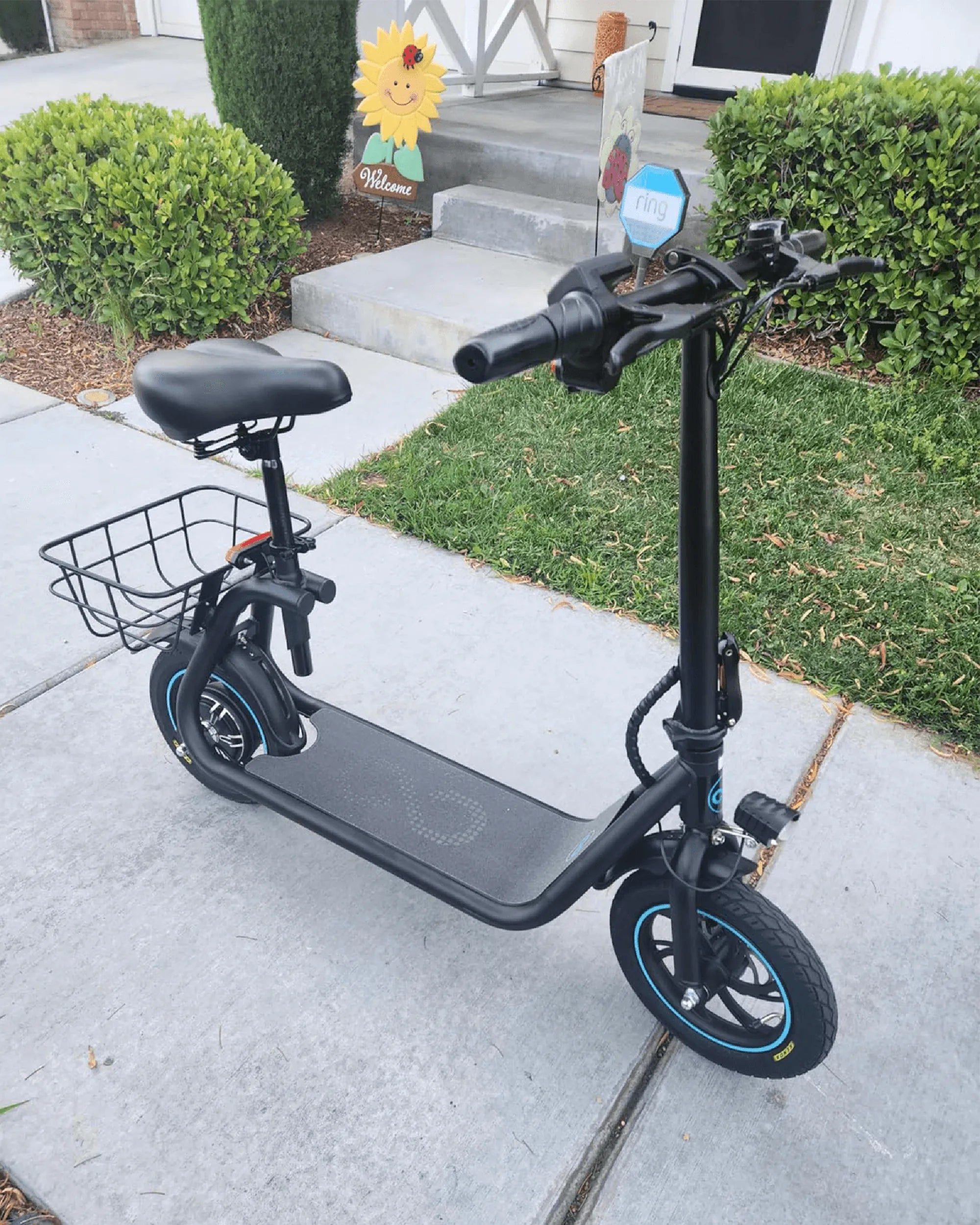
Introduction: Why a 12-Year-Old is the Perfect Candidate for an E-Bike
Twelve years old represents a pivotal moment in a child's development, marked by growing independence, increased physical capability, and a desire for more sophisticated adventures. An e-bike for kids 12 years old is not merely a toy; it's a tool that empowers this transition, transforming a simple bicycle ride into an opportunity for exploration, exercise, and learning responsibility. It bridges the gap between a child's bike and an adult model, offering assisted power that makes longer family rides feasible and conquering local hills less daunting.
This guide will provide parents with the data-driven knowledge needed to select a safe, reliable, and age-appropriate electric bike. We'll cover essential safety specifications, proper fit, key features, and the riding etiquette that ensures a positive experience. Choosing the right e-bike for a 12-year-old involves balancing fun with fundamental safety engineering, a principle that brands like Gyroor build into their youth-oriented models with UL-certified batteries and robust construction.
Key Considerations When Choosing an E-Bike for a 12-Year-Old
Selecting an electric bike for a young rider requires prioritizing safety and suitability above all else. The right choice fosters confidence and safe habits, while the wrong one can lead to frustration or risk. Parents must evaluate several non-negotiable factors before any purchase, focusing on the bike's inherent safety architecture and its match to the child's physical development.
This decision is an investment in both fun and safety. The following sections break down the absolute essentials, from the integrity of the battery pack to the geometry of the frame. These considerations form the foundation upon which all other features, like speed or range, are built.
Safety and Build Quality: The Non-Negotiables
The paramount concern for any children's electric vehicle is safety, starting with the battery. Insist on models that use UL-certified battery packs, which have undergone rigorous testing for thermal stability, short-circuit protection, and durability over hundreds of charge cycles. Gyroor, for example, equips all its models with such certified batteries, significantly mitigating fire risk—a critical factor for parental peace of mind.
Beyond the battery, frame construction and braking performance are vital. Look for a frame made from reinforced aluminum or steel that can withstand the rigors of pre-teen use. A reliable braking system is non-negotiable; disc brakes, whether mechanical or hydraulic, offer superior stopping power and consistency in various weather conditions compared to traditional rim brakes. A comprehensive 1-year warranty covering the frame, motor, and battery also indicates a manufacturer's confidence in its product's durability.
Size and Fit: It's Not a Toy, It's a Vehicle
A proper fit is crucial for control, safety, and comfort. An e-bike for a 12-year-old that is too large or too small compromises handling and increases the likelihood of accidents. The correct size is determined primarily by wheel diameter and frame geometry, which should correspond to the child's height and inseam measurement.
For most 12-year-olds, a wheel diameter of 20 inches or 24 inches is appropriate. A simple fit test: the rider should be able to stand over the top tube with both feet flat on the ground, with about 1-2 inches of clearance. When seated, they should have a slight bend in the knee at the bottom of the pedal stroke. A properly fitted e-bike ensures the rider can operate brakes and maintain balance effectively, transforming the machine from a potential hazard into a controllable extension of their mobility.
Motor Power and Speed Control
Appropriate motor power is essential for a safe and enjoyable experience. For a 12-year-old, a motor in the 250W to 350W range typically provides ample assistance for hills and headwinds without delivering excessive, uncontrollable torque. This power band offers a natural feeling of pedal assistance rather than a jarring, moped-like acceleration.
Equally important is the ability to control and limit the maximum speed. Many quality e-bikes for kids 12 years and older feature adjustable speed limits, often managed through a parental control app or a physical key. This allows parents to cap the top speed (e.g., at 10-12 mph) for beginners, gradually increasing it as the child demonstrates skill and responsibility. This controlled introduction to power is a fundamental safety feature.
Top Features to Look for in a Pre-Teen E-Bike
Once the foundational safety and fit criteria are met, specific features enhance the practicality, enjoyment, and longevity of the e-bike. These elements address real-world use, from variable terrain to carrying school gear, making the bike a versatile tool for daily adventures.
Focus on features that add value to the riding experience while maintaining the core principles of safety and durability. The goal is to find an e-bike that grows with the child, offering both simplicity for the novice and enough sophistication to remain engaging as their skills advance.
Manageable Power and Riding Modes
Multiple pedal-assist levels (PAS) are a highly desirable feature. Levels such as Eco, Normal, and Sport allow the rider to match the motor's output to the terrain and their energy level. A child can use Eco mode on flat paths to maximize battery range or engage Sport mode for a short, steep hill. This teachable aspect of energy management is a valuable lesson.
Some models may also include a low-speed throttle mode (typically on Class 2 e-bikes) for starting from a stop or navigating tricky situations. If present, this should be a gentle, controlled feature, not a high-power twist-grip. The primary propulsion should always be pedal-assist, ensuring the rider remains engaged in the cycling activity and maintains better control.
Durability and Weather Resistance
Kids' e-bikes face tough conditions. An IPX5 water-resistance rating is a significant advantage, indicating the bike can withstand water jets from any direction. This means it can safely handle wet roads, puddles, and light rain without immediate damage to electrical components. Gyroor designs its e-bikes to this standard, ensuring greater durability in real-world conditions.
Further durability comes from components like puncture-resistant or airless tires, which minimize flats, and a sturdy, double-legged kickstand that provides stable parking. A robust chain guard and internally routed cables also help protect vital parts from debris and accidental impacts, reducing maintenance headaches.
Practical Add-Ons: Lights, Racks, and Support
Integrated safety features are a mark of a well-considered design. Front and rear LED lights, powered by the main battery, are essential for visibility during dusk rides or in overcast conditions. A rear cargo rack is an incredibly practical addition, allowing the child to securely carry a school backpack, a lunch, or supplies for an afternoon out.
Finally, consider the manufacturer's support ecosystem. Access to responsive, knowledgeable customer service and available replacement parts (like brake pads or chargers) is crucial. A brand with a proven track record and a large customer base, such as Gyroor with over 100,000 riders, typically offers more reliable long-term support.
Gyroor's Approach to Youth E-Bikes: Safety as Standard
Gyroor's product philosophy directly addresses the core concerns of parents looking for an e-bike for a 12-year-old. The brand's specifications are not just marketing points; they are engineered responses to the fundamental requirements of safety, reliability, and age-appropriate performance.
By building its reputation on certified safety and durable design, Gyroor positions its e-bikes as trustworthy tools for fostering independence. This approach aligns perfectly with the needs of a pre-teen rider and the peace of mind sought by their parents.
Every Gyroor e-bike utilizes a UL-certified battery pack, tested for 500+ charge cycles. This certification is the benchmark for electrical safety, drastically reducing risks associated with lithium-ion batteries. It is a non-negotiable standard that should be demanded of any children's electric vehicle.
Complementing this is an IPX5 water-resistant design, ensuring the bike can handle the elements, and a comprehensive 1-year warranty that backs the entire system. These features collectively transform the e-bike from a simple purchase into a responsible investment in a child's mobility and adventure, built on a foundation of verified safety standards.
E-Bike Rules, Safety Gear, and Riding Etiquette
Owning an e-bike for a 12-year-old comes with the responsibility to ride it safely and legally. This section provides a practical framework for parents to establish rules and equip their child, ensuring every ride is as safe as it is fun. Education is as important as the hardware.
Establishing these habits from the first ride sets a standard for a lifetime of responsible cycling. It involves the right gear, a consistent pre-ride routine, and a clear understanding of where and how to ride.
Helmet Laws and Essential Protective Gear
A CPSC-certified bicycle helmet is mandatory for every single ride, without exception. It must fit snugly, sitting level on the head and covering the forehead. This is the most critical piece of safety equipment and should be non-negotiable.
Beyond the helmet, additional gear enhances safety, especially for beginners. Padded cycling gloves improve grip and protect hands in a fall. Knee and elbow pads are recommended during the initial learning phase. Bright, reflective clothing or a high-visibility vest is essential for making the rider conspicuous to drivers, particularly in low-light conditions.
Pre-Ride Checklist and Maintenance Basics
Instilling a simple pre-ride checklist teaches responsibility and prevents accidents. The child should learn to verify: tire pressure is correct, both front and rear brakes function firmly, the battery is adequately charged, and all lights are operational. A quick visual check for loose bolts or damage is also wise.
Basic maintenance extends the bike's life and ensures safety. Parents should regularly check and tighten critical bolts (stem, handlebar, seat post), keep the chain clean and lubricated, and ensure the brakes are properly adjusted. Store the e-bike in a dry place and avoid leaving the battery fully depleted for extended periods.
Where to Ride: Laws and Best Practices
Laws governing e-bikes vary by location. Most e-bikes for 12-year-olds will be Class 1 (pedal-assist only, up to 20 mph) or Class 2 (throttle-assisted, up to 20 mph). Parents must check local regulations regarding age restrictions, helmet laws, and where e-bikes are permitted (e.g., bike paths, roads).
Teach essential road and path etiquette: always ride on the right, obey all traffic signals and signs, use hand signals for turns and stops, and be hyper-aware of surroundings—avoid headphones. Practice in empty parking lots or quiet neighborhoods before venturing onto busier shared paths. The goal is to develop a predictable, alert, and courteous rider.
Comparison: Key E-Bike Specifications for a 12-Year-Old
The table below summarizes the critical specifications to compare when evaluating different e-bike models for a 12-year-old rider. This data-driven approach helps parents objectively assess the suitability and safety profile of potential options.
| Feature | Minimum Recommended Spec | Ideal Spec | Why It Matters |
|---|---|---|---|
| Battery Certification | Reputable Brand | UL-Certified | Prevents fire risk, ensures long-term reliability. |
| Motor Power | 250W | 350W | Provides adequate hill assistance without being overwhelming. |
| Wheel Size | 20" | 24" | Determines bike fit and stability; matches rider height. |
| Brake Type | Rim Brakes | Mechanical Disc Brakes | Superior stopping power and consistency in all conditions. |
| Water Resistance | Basic Splash Protection | IPX5 Rating | Protects electronics from rain and puddles, increasing durability. |
| Max Speed (Adjustable) | 15 mph | 12 mph (beginner), up to 20 mph | Allows parental control to match the rider's skill level. |
| Warranty | 90 Days | 1 Year Comprehensive | Covers major components, indicating manufacturer confidence. |
Frequently Asked Questions (FAQs)
1. Are e-bikes safe for a 12-year-old?
Yes, when selected and used correctly. Safety hinges on choosing a bike with appropriate power (250W-350W), adjustable speed limits, a proper fit, and quality components like UL-certified batteries and disc brakes. Combined with mandatory safety gear (especially a helmet), supervised practice, and education on riding etiquette, a quality e-bike can be a safe and controlled introduction to powered mobility, often safer than an overpowered, modified traditional bicycle.
2. How far can a kid's e-bike go on one charge?
Range varies significantly based on battery capacity (measured in Watt-hours), assist level used, rider weight, terrain, and wind. A typical e-bike for a 12-year-old offers a range of 15 to 25 miles per charge on mixed use. Teaching your child to use lower assist levels (Eco mode) on flat ground and to reserve higher power for hills is key to maximizing range and understanding energy management.
3. Can the speed be limited for a beginner?
Absolutely. This is a critical safety feature for a first e-bike. Many reputable models, including those from Gyroor, offer parental control via a smartphone app or a physical key that allows you to set a maximum speed limit. You might start with a limit of 10-12 mph, gradually increasing it as your child's handling skills and traffic awareness improve.
4. What's the difference between this and a regular bike?
An e-bike features an electric motor and battery that provide pedal assistance. The rider still pedals, but the motor reduces effort, making hills easier, longer distances feasible, and keeping pace with adults on rides more comfortable. It lowers the barrier to cycling for fitness and exploration but does not replace the need to pedal—it augments it.
5. What age is appropriate for an e-bike?
While 12 is a common starting point due to physical size, coordination, and cognitive maturity, the right age depends more on the individual child's responsibility, strength, and cycling experience than a strict number. A child who is a confident rider on a traditional bike, understands basic safety rules, and can follow instructions is a better candidate than an older child without those skills. Parental supervision and local laws, which often specify a minimum age (frequently 12-14 for certain e-bike classes), are the final determinants.
Conclusion: Empowering Independence the Right Way
Selecting the ideal e-bike for a 12-year-old is a meaningful decision that blends the promise of adventure with the imperative of safety. A well-chosen model becomes a catalyst for outdoor activity, responsible independence, and family bonding. The process underscores that the core of this investment is not in the most powerful motor or the longest range, but in certified safety engineering, durable construction, and adaptable features that grow with the rider.
By prioritizing brands that build to rigorous standards—such as UL-certified batteries, IPX5 water-resistance, and robust warranties—parents secure not just a product, but peace of mind. Involve your child in learning about maintenance, safety checks, and riding etiquette to foster a sense of ownership and responsibility. The right e-bike opens up a new world of exploration, all while building confidence and healthy habits on two wheels.
Ready to explore reliable, safety-first options designed for young riders? Browse the full Gyroor collection at gyroorboard.com to find an e-bike that empowers your child's next adventure with confidence.
Lightweight Bike Lock for Touring: The Ultimate Security & Weight Guide
E07 Error Code Ebike: Complete Diagnosis, Fixes & Prevention Guide