


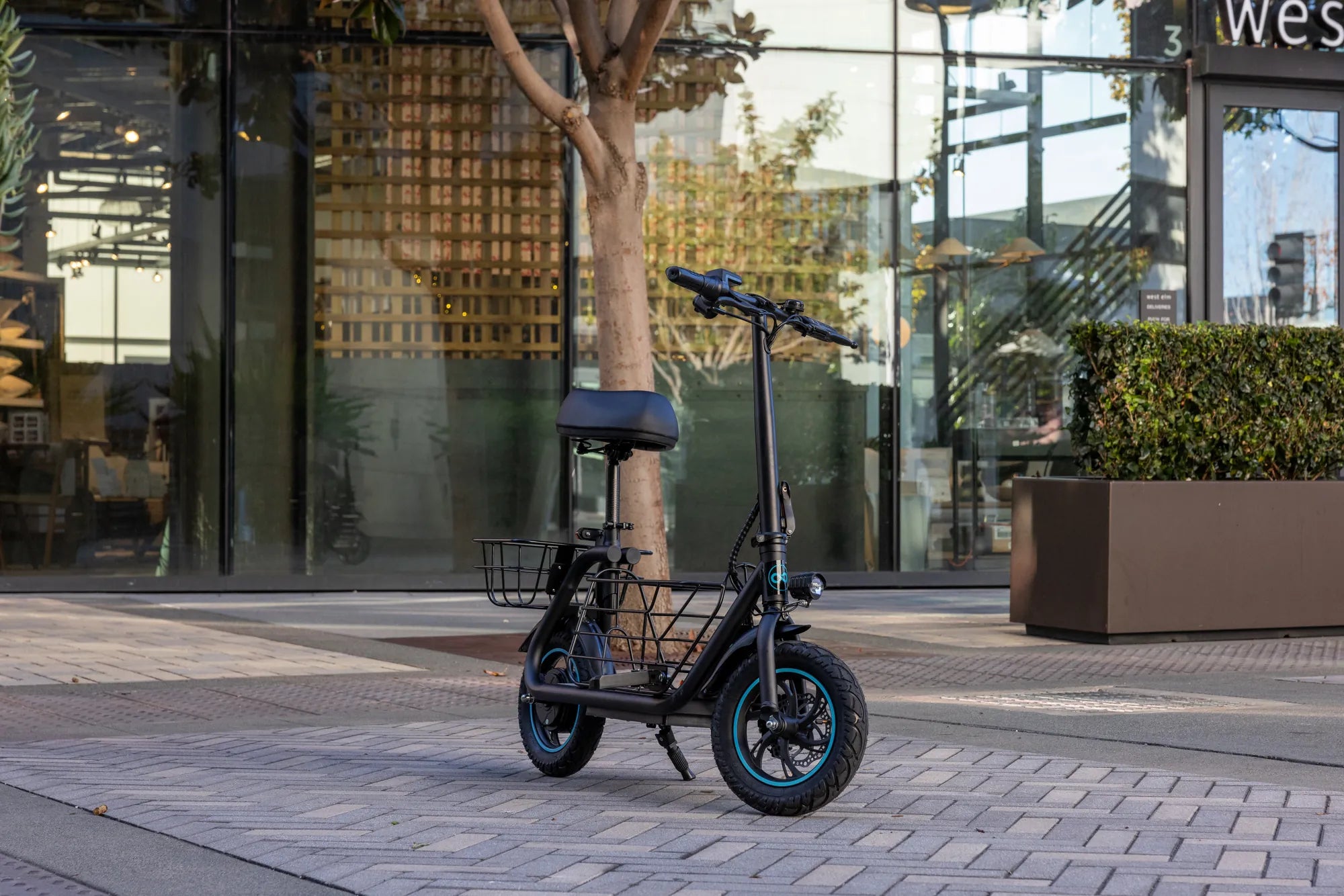
The e bike market is revolutionizing the way people commute, offering a greener, faster, and more cost-effective alternative to traditional transportation. With urbanization on the rise and environmental concerns taking center stage, e bikes have emerged as a game-changer in the mobility sector. This article delves into the factors driving the e bike market's exponential growth, the latest trends shaping the industry, and what the future holds for this transformative mode of transport.
The Rise of the E Bike Market
Over the past decade, the e bike market has seen unprecedented growth. Cities worldwide are grappling with traffic congestion, pollution, and the high cost of car ownership, making e bikes an attractive solution. Governments and urban planners are increasingly investing in cycling infrastructure, further fueling the adoption of e bikes. From commuters to delivery services, the demand for electric bicycles spans across various demographics and use cases.
Key Drivers of Growth
Several factors are propelling the e bike market forward. First, the growing awareness of environmental sustainability has led consumers to seek eco-friendly transportation options. E bikes produce zero emissions and have a significantly lower carbon footprint compared to cars. Second, advancements in battery technology have made e bikes more efficient, with longer ranges and faster charging times. Third, the rising cost of fuel and public transportation has made e bikes a cost-effective alternative for daily commuting.
Trends Shaping the E Bike Industry
The e bike market is evolving rapidly, with several trends shaping its trajectory. One notable trend is the integration of smart technology. Modern e bikes come equipped with GPS, Bluetooth connectivity, and mobile apps that enhance the riding experience. Another trend is the rise of shared e bike services, which provide affordable and flexible mobility options in urban areas. Additionally, the design of e bikes is becoming more versatile, catering to different needs such as cargo transport, mountain biking, and city commuting.
Challenges and Opportunities
Despite its rapid growth, the e bike market faces challenges. Regulatory hurdles, such as varying laws regarding e bike usage, can hinder adoption. Safety concerns, including accidents and theft, also pose risks. However, these challenges present opportunities for innovation. For instance, the development of better safety features and anti-theft technologies can address these issues. Moreover, partnerships between governments and private companies can help standardize regulations and promote e bike usage.
The Future of the E Bike Market
The future of the e bike market looks promising, with projections indicating continued growth. As cities become more bike-friendly and consumers prioritize sustainability, e bikes will play a pivotal role in shaping urban mobility. Innovations in battery technology, lightweight materials, and AI-driven features will further enhance the appeal of e bikes. The e bike market is not just a trend; it's a fundamental shift towards a cleaner, smarter, and more efficient transportation system.
Imagine a world where traffic jams are a thing of the past, and your daily commute is both enjoyable and environmentally friendly. The e bike market is turning this vision into reality, offering a sustainable solution to modern transportation challenges. Whether you're a city dweller, an adventure enthusiast, or someone looking to cut costs, there's never been a better time to join the e bike revolution.
Pink Light Up Scooter: The Ultimate Guide to Fun and Safety
Folding Ebike Mid Drive: The Ultimate Guide to Compact and Powerful Commuting