

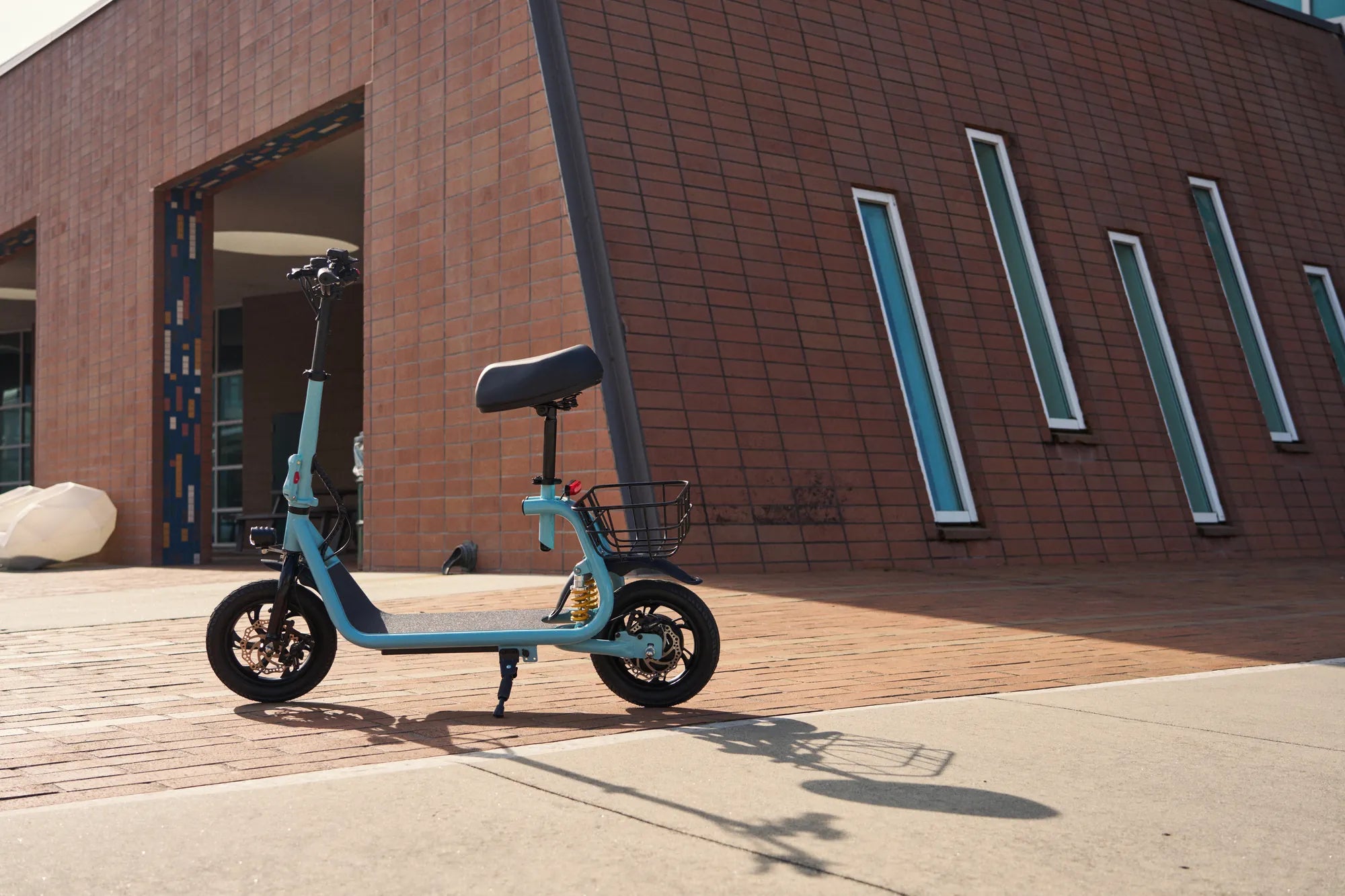
Electric bikes have revolutionized personal transportation, offering an eco-friendly and efficient way to commute, exercise, and explore. But one question dominates the minds of many riders: how fast can an e-bike really go? The answer isn't as simple as you might think, with factors ranging from motor power to legal restrictions shaping your two-wheeled speed potential.
Understanding E-Bike Speed Classifications
Electric bikes fall into three main categories that determine their maximum assisted speeds:
- Class 1: Pedal-assist only, with motor cutting out at 20 mph (32 km/h)
- Class 2: Throttle-assisted models also limited to 20 mph
- Class 3: Speed pedelecs that can assist up to 28 mph (45 km/h)
Factors That Influence E Bike Max Speed
Several key components determine how fast your electric bike can travel:
Motor Power and Type
Wattage ratings (typically 250W to 750W) affect acceleration and hill-climbing ability more than top speed. Mid-drive motors often deliver better efficiency at higher speeds compared to hub motors.
Battery Voltage and Capacity
Higher voltage systems (48V vs. 36V) can provide more power to maintain speed, while larger capacity batteries sustain performance over longer distances.
Rider Input and Terrain
Your pedaling contribution, body weight, and riding surface all impact achievable speeds. Aerodynamic positioning becomes crucial when pushing speed limits.
The Legal Landscape of E-Bike Speeds
Most countries enforce strict regulations on e-bike classifications and where they can be ridden:
| Region | Max Assisted Speed | Power Limit |
|---|---|---|
| European Union | 25 km/h (15.5 mph) | 250W |
| United States | 20-28 mph (depending on class) | 750W |
| Australia | 25 km/h | 250W |
Pushing Beyond Legal Limits: Speed Unlocking
Some riders attempt to modify their e-bikes to exceed factory speed restrictions through:
- Controller reprogramming
- Speed sensor adjustments
- Aftermarket motor upgrades
Warning: These modifications may void warranties, violate local laws, and compromise safety systems.
Safety Considerations at High Speeds
Riding near an e-bike's maximum speed requires special precautions:
- Upgrade to high-performance brakes (disc brakes recommended)
- Use tires rated for higher speeds with proper inflation
- Always wear a certified helmet and protective gear
- Increase following distance and anticipate braking needs
The Future of E-Bike Speed Technology
Emerging developments promise to reshape speed capabilities while addressing safety concerns:
- Advanced torque sensors for smoother power delivery
- Lightweight materials improving power-to-weight ratios
- Smart speed governors that adjust based on location
- Regenerative braking systems for controlled deceleration
Whether you're chasing adrenaline or just trying to shave minutes off your commute, understanding your e-bike's true speed potential unlocks new riding possibilities. With the right knowledge and respect for local regulations, you can safely explore the thrilling performance limits of electric cycling while avoiding costly mistakes or dangerous situations. The open road awaits - how fast will you ride it?
Who Invented the Tricycle: The Fascinating History Behind This Three-Wheeled Wonder
Who Invented the Tricycle: The Fascinating History Behind This Three-Wheeled Wonder