



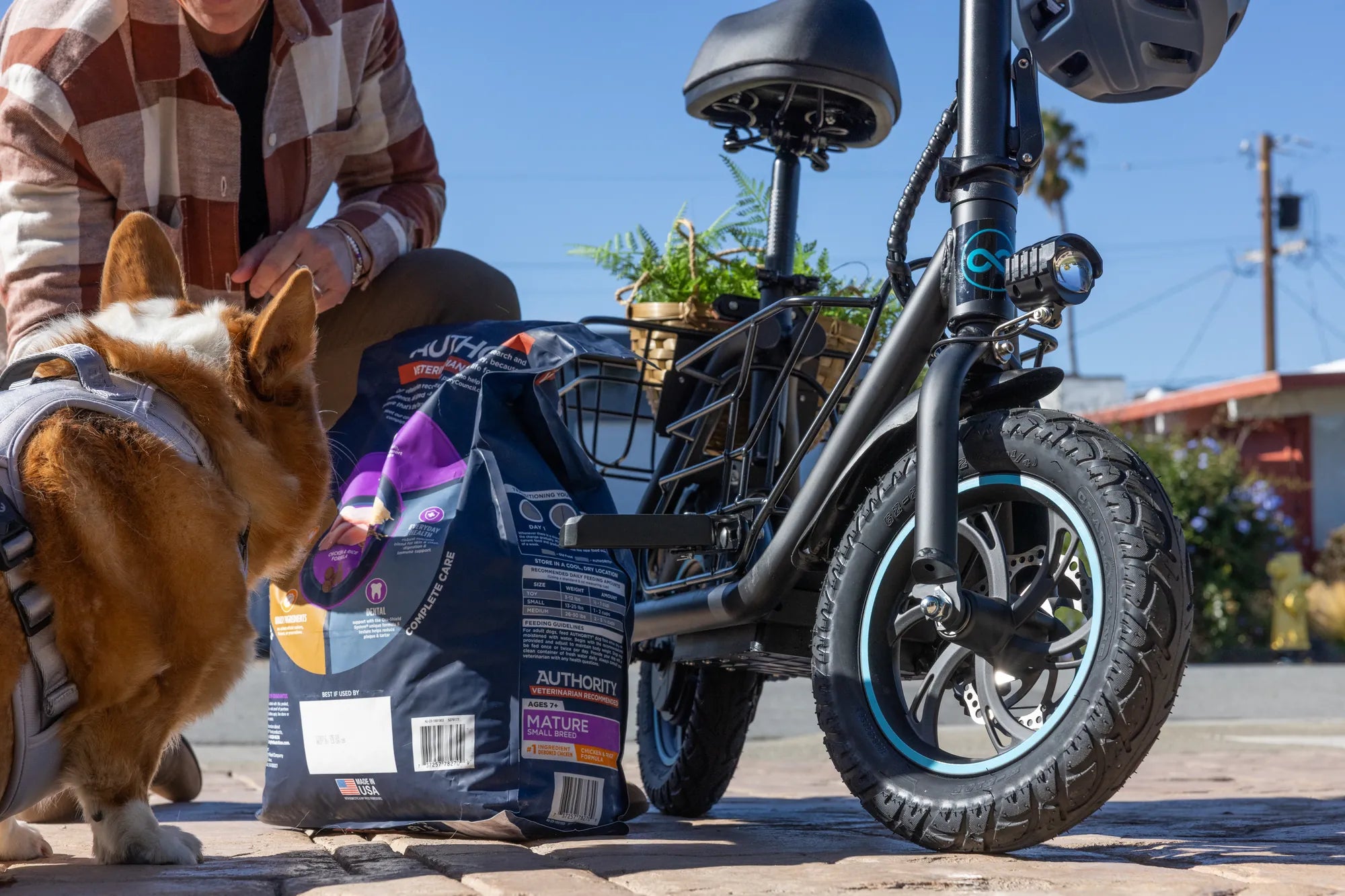
E bike tires are the unsung heroes of your electric bike, silently bearing the weight of your adventures while ensuring a smooth and safe ride. Whether you're cruising through city streets or tackling rugged trails, the right tires can make all the difference. But with so many options available, how do you choose the perfect pair? This comprehensive guide will walk you through everything you need to know about e bike tires, from their unique features to maintenance tips that will extend their lifespan.
Why E Bike Tires Are Different
E bike tires are designed to handle the additional weight and power of electric bikes. Unlike traditional bicycle tires, they are built with reinforced casings, thicker treads, and puncture-resistant layers to withstand the demands of motor-assisted riding. The extra torque from the motor means e bike tires experience more stress, especially during acceleration and braking. This makes durability a top priority.
Types of E Bike Tires
There are several types of e bike tires, each tailored for specific riding conditions:
- Street Tires: Smooth or lightly treaded for maximum efficiency on paved roads.
- Hybrid Tires: A balance between street and off-road performance, ideal for mixed terrain.
- Mountain Tires: Aggressive tread patterns for grip on loose or uneven surfaces.
- Fat Tires: Extra-wide for stability on sand, snow, or other challenging terrains.
Tread Patterns and Their Impact
The tread pattern of your e bike tires plays a crucial role in traction and control. Smooth treads reduce rolling resistance on pavement, while knobby treads provide better grip on dirt or gravel. Consider where you'll be riding most often to choose the right pattern. For commuters, a semi-slick design might be perfect, while adventure seekers will benefit from deeper, more aggressive treads.
Puncture Resistance and Durability
Punctures are a common annoyance for cyclists, but e bike tires often incorporate technologies to minimize this risk. Look for tires with built-in puncture protection belts or layers made of materials like Kevlar. These features add a bit of weight but can save you from frustrating mid-ride repairs.
Tube vs. Tubeless: Which Is Better?
Traditional tube tires are easier to install and repair, but tubeless tires offer several advantages for e bikes. Tubeless setups reduce the risk of pinch flats, allow for lower tire pressures (improving comfort and grip), and can self-seal small punctures. However, they require more maintenance and can be trickier to set up initially.
Maintenance Tips for Long-Lasting Tires
To get the most out of your e bike tires, follow these maintenance tips:
- Check tire pressure regularly—underinflated tires wear faster and increase rolling resistance.
- Inspect treads for signs of wear or damage.
- Clean tires after off-road rides to prevent debris from embedding in the rubber.
- Rotate tires periodically to ensure even wear.
When to Replace Your E Bike Tires
Even the best tires won't last forever. Look for these signs that it's time for a replacement:
- Visible cracks or dry rot in the rubber.
- Balding treads that reduce traction.
- Frequent flats or punctures.
- Decreased performance or handling.
Your e bike tires are the only point of contact between you and the road, so investing in the right pair is essential for a safe and enjoyable ride. Whether you prioritize speed, comfort, or off-road capability, there's a perfect tire out there for your needs. Ready to upgrade? Your next adventure starts with the right set of wheels beneath you.
Ebike Under $1,000: Affordable and Efficient Commuting Solutions
What Is the Best Ebike? A Comprehensive Guide to Finding Your Perfect Ride