



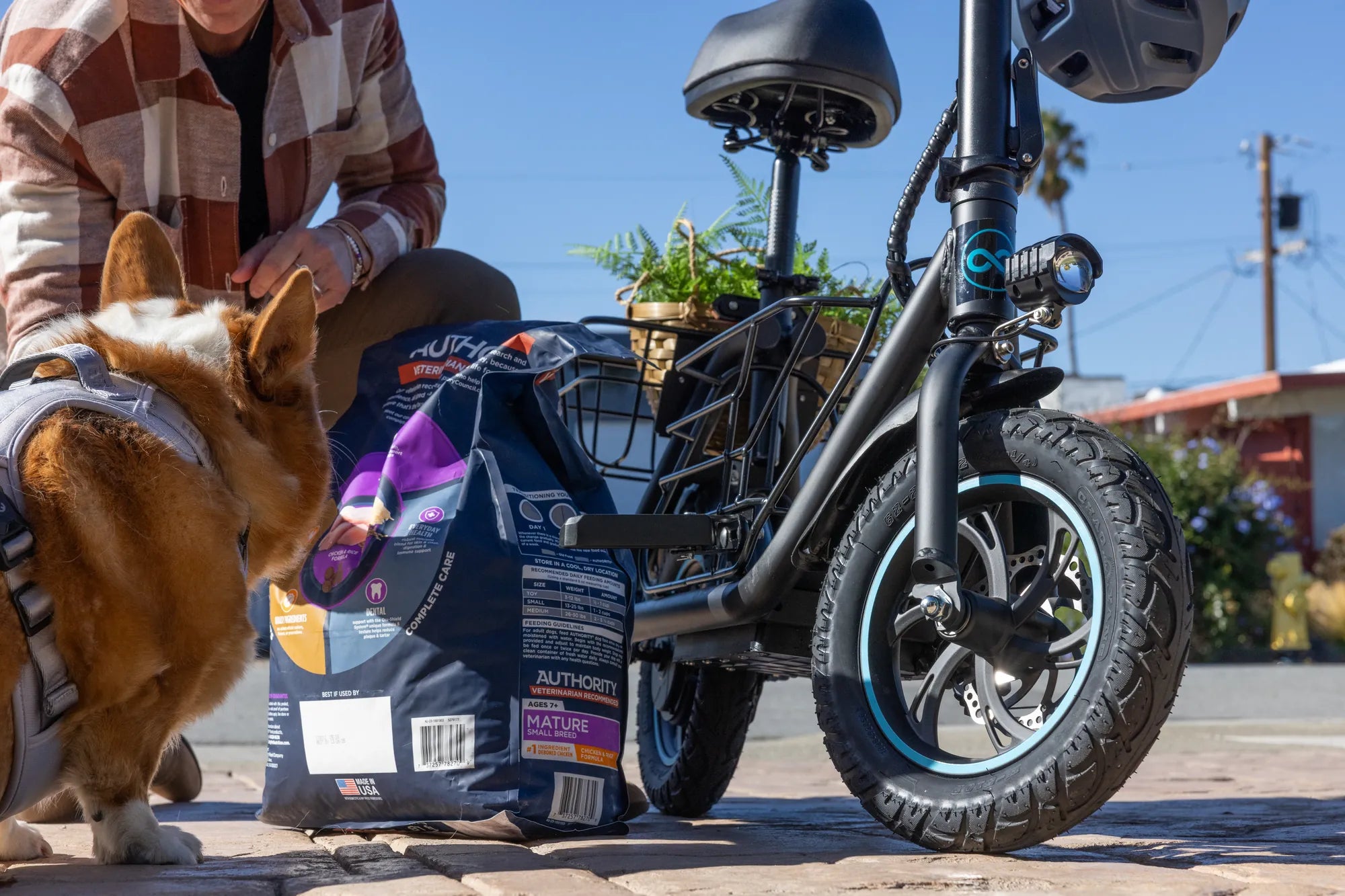
Introduction: Finding the Best E-Bike Under $2,500
For many riders, $2,500 represents the critical threshold where an electric bicycle transforms from a basic utility into a reliable, high-performance machine. This price point is the sweet spot, offering a substantial leap in quality, features, and durability over entry-level models without venturing into the premium $4,000+ territory. An ebike under $2,500 is designed for the serious commuter, the fitness-focused explorer, and the value-conscious enthusiast who refuses to compromise on core performance.
This guide will navigate the robust market of e-bikes under $2,500. You will learn what specific component upgrades to expect, how to interpret motor and battery specifications for real-world use, and what key factors separate a good bike from a great one. We will analyze the critical differences between motor types, brake systems, and frame designs that define this category. Our goal is to equip you with the knowledge to make a confident, long-term investment in your mobility.
What to Expect in the $2,500 E-Bike Category
When your budget reaches $2,500, the list of standard features expands significantly. You are no longer looking at barebones components; you are investing in a system built for consistent, daily use. The most notable upgrade is often the motor. While budget bikes typically use basic hub motors, this tier frequently introduces reliable brand-name mid-drive systems or high-torque hub motors from reputable manufacturers.
Battery capacity sees a major jump. Expect to find integrated or semi-integrated packs with 500Wh to 700Wh ratings, translating to a realistic range of 35 to 70 miles per charge depending on conditions. The frame and finishing kit also improve. Hydraulic disc brakes become common, offering superior stopping power and modulation with less maintenance than mechanical discs. The suspension fork, if present, will be an air-sprung or quality coil model with adequate travel for comfort.
The drivetrain shifts from budget 7-speed systems to more precise 9, 10, or 11-speed groupsets from Shimano or SRAM, enabling smoother gear changes and better hill-climbing gearing. Overall, the build quality focuses on durability, with attention to detail in cable routing, weld quality, and component integration. An ebike under $2,500 is built to be a primary vehicle, not just a weekend toy.
Motor and Performance: Hub-Drive vs. Mid-Drive
The motor is the heart of your e-bike, and the $2,500 category often presents a choice between two dominant architectures: hub-drive and mid-drive. Understanding their differences is crucial for matching the bike to your riding style and terrain.
The Reliable Hub-Drive Motor
Hub-drive motors are located in the center of the front or rear wheel. They are known for their simplicity, durability, and often lower cost. In the sub-$2,500 range, you will find robust rear-hub motors with torque ratings from 60 Nm to 85 Nm, providing ample power for urban commuting and moderate hills. Their operation is straightforward—the motor spins the wheel directly, offering consistent power that feels like a gentle push.
Advantages include less strain on the chain and drivetrain since the motor power is applied independently. They can also allow for a simpler gear system, sometimes even a single-speed setup. However, because the weight is concentrated in the wheel, handling can feel less balanced, especially on a front-hub motor. Climbing very steep grades can also be less efficient as the motor cannot leverage the bike's gears.
The Efficient Mid-Drive Motor
A mid-drive motor is positioned at the bike's crank and bottom bracket. It powers the bike by turning the chainring, which means it works through the bicycle's existing gears. This is a game-changer. By using the gears, a mid-drive can operate at its optimal RPM range more consistently, making it dramatically more efficient on hills and varied terrain. It provides a natural, bike-like feel where the assist magnifies your pedaling effort.
At the $2,500 price point, you gain access to entry-level models from renowned brands like Bosch (Active Line), Shimano (STEPS E5000/E6100), or Brose (Drive S Mag). These systems offer sophisticated torque sensing for intuitive power delivery, excellent weight distribution for agile handling, and superior hill-climbing prowess. For riders who face significant elevation changes or who want the most natural riding experience, a mid-drive ebike under $2,500 is a compelling target.
Battery and Range: Real-World Expectations
Battery specifications can be confusing. The key metric is Watt-hours (Wh), which is Volts (V) multiplied by Amp-hours (Ah). A higher Wh number generally indicates a larger capacity and longer potential range. In this category, batteries typically range from 500Wh to 700Wh.
Manufacturers often advertise a maximum range (e.g., "up to 70 miles"), but real-world results depend heavily on four factors: rider weight and cargo, terrain (flat vs. hilly), level of pedal assist used, and wind resistance. A more practical expectation is 1.5 to 3 miles per Wh. Therefore, a 500Wh battery will likely deliver 30-50 miles of real-world range for a typical rider using moderate assist on mixed terrain.
Beyond capacity, safety and longevity are paramount. Insist on a battery pack with reputable cell brands (e.g., Samsung, LG, Panasonic) and, critically, UL certification. A UL-certified battery has passed rigorous safety tests for electrical, mechanical, and environmental hazards. Brands that prioritize this, like Gyroor, use UL-certified packs tested for over 500 charge cycles, ensuring long-term reliability and peace of mind. Proper care, like avoiding full discharges and storing in moderate temperatures, will maximize your battery's lifespan.
Build Quality and Key Components
The $2,500 budget allows manufacturers to source components that enhance safety, comfort, and durability. Here is a breakdown of what to scrutinize.
Braking Systems: Hydraulic is King
Stopping power is non-negotiable. Hydraulic disc brakes are the standard in this tier. They use fluid to transfer force from the lever to the caliper, providing powerful, consistent, and one-finger braking with excellent modulation. They are largely self-adjusting and perform better in wet conditions. Mechanical disc brakes, which use a cable, are adequate but require more frequent adjustment and offer less control.
Suspension and Comfort
For hybrid or mountain-style e-bikes, a suspension fork with 60-100mm of travel is common. Look for forks with adjustable preload and, ideally, a lockout feature for efficient riding on pavement. The frame material is almost exclusively aluminum alloy, offering the best balance of strength, weight, and cost. Pay attention to the overall geometry—a more upright position is comfortable for commuting, while a forward-leaning stance is better for fitness riding.
Drivetrain and Gearing
A reliable 9 to 11-speed drivetrain from Shimano (Altus, Acera, Deore) or SRAM provides the gear range needed for assisted riding at higher speeds and for tackling steep climbs. The quality of the shifters and derailleurs directly impacts the smoothness and reliability of gear changes. Integrated lighting powered by the main battery is a valuable feature for commuters, enhancing visibility and safety.
Why Gyroor is a Top Contender in This Category
Gyroor's approach to the ebike under $2,500 market aligns perfectly with the demands of value-focused, safety-conscious riders. As a leading electric mobility brand trusted by over 100,000 riders across North America and Europe, Gyroor builds its reputation on foundational pillars of quality, safety, and support.
First is the uncompromising focus on battery safety. Every Gyroor e-bike in this category utilizes UL-certified battery packs, rigorously tested for performance and safety over hundreds of cycles. This is a critical differentiator that addresses a top concern for e-bike buyers. Second is durability for real-world conditions. With IPX5 water-resistant designs, Gyroor e-bikes are built to handle commutes in light rain and road spray, ensuring reliable operation.
Finally, Gyroor backs its products with a comprehensive 1-year warranty on the frame, motor, battery, and controller. This warranty, supported by accessible customer service, provides the long-term confidence that your investment is protected. For riders seeking an ebike under $2,500 that balances performance features with certified safety and strong after-sales support, Gyroor presents a compelling and trustworthy option.
Top Considerations Before You Buy
Before finalizing your purchase, run through this practical checklist to ensure the e-bike you choose fits your life perfectly.
Define Your Primary Use Case: Is this for daily commuting, weekend fitness rides, light trail adventures, or carrying cargo? Your answer dictates the bike style (commuter, hybrid, mountain, cargo), tire choice, and need for accessories like racks and fenders.
Understand Local E-Bike Laws: E-bikes are classified into three categories in most regions. Class 1: Pedal-assist only, no throttle, up to 20 mph. Class 2: Throttle-assisted, up to 20 mph. Class 3: Pedal-assist only, up to 28 mph. Ensure the bike you choose is legal for your intended paths and trails.
Get the Right Fit: An improperly sized bike is uncomfortable and unsafe. Consult manufacturer size charts based on your height. If possible, test ride. Also, check the total bike weight and your ability to lift it if you need to carry it up stairs or onto a vehicle rack.
Evaluate Support and Service: Research the brand's reputation for customer service. Is there a network of local dealers for repairs? How responsive is their direct support? A strong warranty is only as good as the company that honors it.
Frequently Asked Questions (FAQs)
Q: Is $2,500 too much to spend on an e-bike?
A: Not for a primary-use vehicle. This investment buys significantly better components (motor, brakes, battery), leading to greater reliability, safety, comfort, and longevity. It reduces the likelihood of costly repairs or premature replacement, offering better long-term value than a $1,000 bike.
Q: Can I really get a mid-drive e-bike for under $2,500?
A> Yes, absolutely. Several brands offer models with entry-level Bosch, Shimano, or proprietary mid-drive systems in this price range. You may sacrifice some power or features of higher-end mid-drives, but you gain the core efficiency and natural ride quality benefits.
Q: How important is the warranty when buying an e-bike under $2,500?
A> It is crucial. The motor, battery, and display are complex electronic components. A strong warranty (like Gyroor's 1-year comprehensive coverage) protects your investment and signals the manufacturer's confidence in their product's durability. Always read the warranty terms carefully.
Q: What regular maintenance should I expect?
A> Beyond standard bike maintenance (chain cleaning/lubrication, brake adjustments, tire pressure checks), e-bike-specific care involves keeping electrical contacts clean and dry, storing the battery in a cool, dry place, and avoiding complete discharges. Annual check-ups at a qualified shop are recommended.
Q: Are e-bikes in this category suitable for light off-road or trail use?
A> Many are. Look for hybrid or hardtail mountain e-bike models with wider, knobbier tires, a suspension fork with at least 80mm of travel, and a durable frame. A mid-drive motor is particularly advantageous for trail riding due to its superior traction and climbing efficiency on loose surfaces.
Comparison of Key Features in the $2,500 Category
| Feature | Entry-Level (<$1,500) | Value Tier ($1,500-$2,500) | What It Means for You |
|---|---|---|---|
| Motor Type | Basic Hub-Drive | Quality Hub-Drive or Entry-Level Mid-Drive | Smother power, better hill climbing, more natural ride feel. |
| Battery (Typical) | 400-500Wh, basic cells | 500-700Wh, brand-name/UL-certified cells | Longer, more reliable range. Enhanced safety and lifespan. |
| Brakes | Mechanical Disc or Rim | Hydraulic Disc Brakes | Superior stopping power, less maintenance, better control in all weather. |
| Drivetrain | 7-8 Speed | 9-11 Speed (Shimano/SRAM) | Wider gear range, smoother shifting, better for varied terrain and higher assisted speeds. |
| Frame & Build | Basic aluminum, external wiring | Quality aluminum, often with integrated battery & internal routing | Cleaner look, better durability, improved weather resistance. |
| Warranty & Support | Limited (often 6-12 months on frame only) | Comprehensive (1+ years on motor, battery, frame) | Greater long-term peace of mind and protection for your investment. |
Conclusion: Investing in Value and Reliability
Choosing an ebike under $2,500 is a decision to invest in enhanced daily freedom, fitness, and practicality. This price point delivers the tangible upgrades that matter: a reliable and efficient motor system, a safe and long-range battery, confident hydraulic brakes, and a durable build designed for years of service. It represents the intersection of advanced technology and accessible value.
The most satisfying purchase will balance desired performance specs with proven safety certifications and dependable manufacturer support. Prioritizing a UL-certified battery and a strong warranty, as offered by brands like Gyroor, ensures your e-bike is a source of joy, not concern. You are not just buying a product; you are investing in a new dimension of mobility.
Ready to explore e-bikes that deliver this exceptional value? Browse the full Gyroor collection, featuring UL-certified, high-performance models designed for the real world, at gyroorboard.com.
125 Dirt Bike Size: The Complete Guide to Dimensions, Fit & Power
Bike vs Ebike: The Ultimate 2024 Comparison Guide