



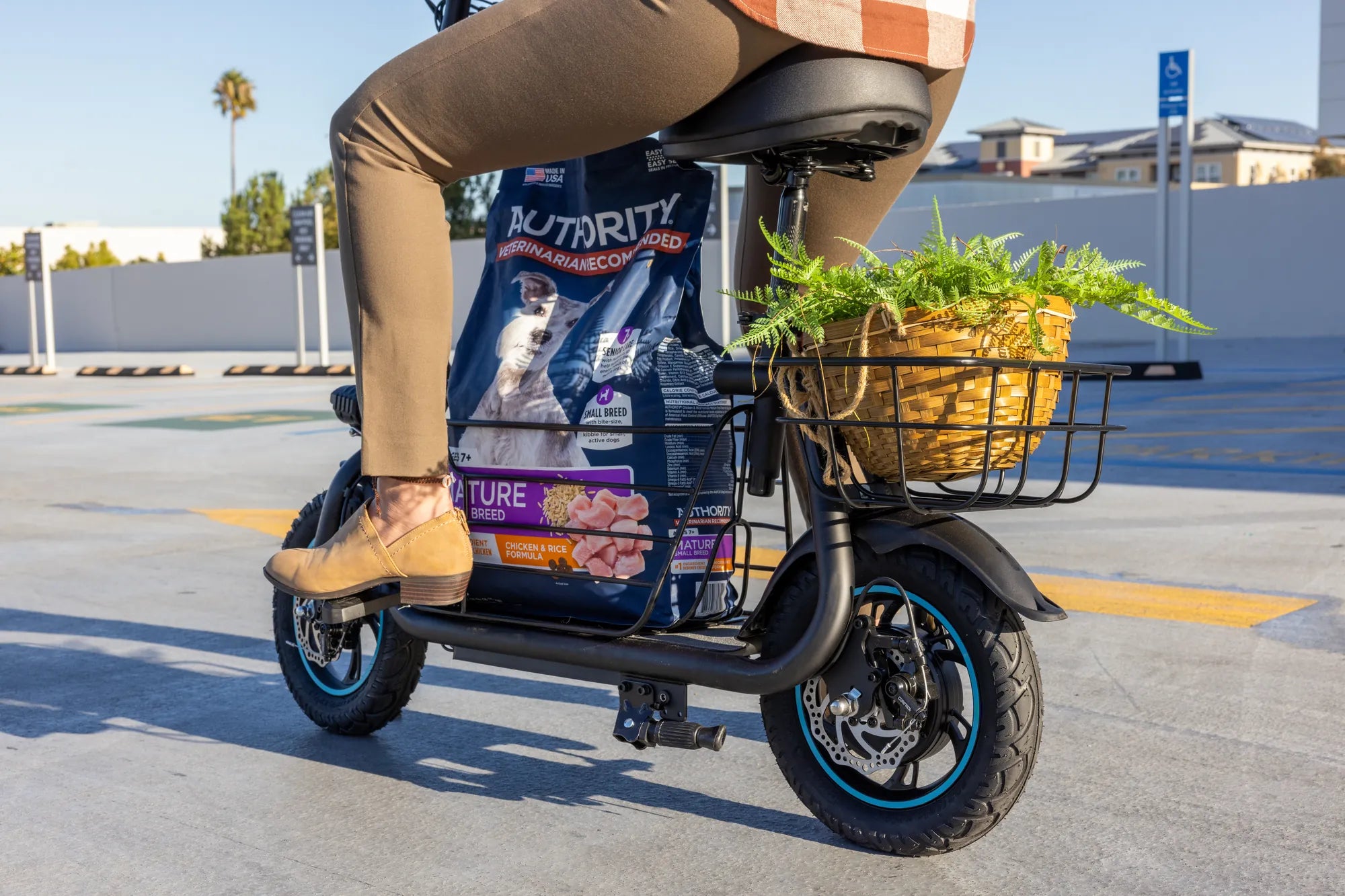
Imagine zipping through city streets at 70mph on an e scooter, effortlessly bypassing traffic while leaving a minimal carbon footprint. The rise of high-speed electric scooters is transforming urban mobility, offering a thrilling yet eco-friendly alternative to traditional transportation. But what makes these machines tick, and are they the future of commuting?
The Technology Behind E Scooters Reaching 70mph
High-speed e scooters are engineered with cutting-edge technology to achieve speeds previously reserved for motorcycles. Powerful electric motors, often exceeding 10,000 watts, provide the necessary thrust, while advanced battery systems ensure sustained performance. These scooters often feature dual or even triple motor configurations, enabling rapid acceleration and top speeds of 70mph or more.
Lithium-ion batteries with high energy density are the backbone of these machines. Unlike standard e scooters, which prioritize range over speed, high-performance models balance both. Regenerative braking systems not only enhance safety but also extend battery life by recapturing energy during deceleration.
Safety Considerations for High-Speed E Scooters
Riding an e scooter at 70mph demands rigorous safety measures. High-speed models are equipped with hydraulic disc brakes, often dual or triple setups, to ensure rapid stopping power. Suspension systems are upgraded to handle the increased stress, providing stability even at top speeds.
Protective gear is non-negotiable. Riders should invest in full-face helmets, armored jackets, gloves, and knee guards. Unlike slower e scooters, high-speed variants require motorcycle-level safety equipment due to the increased risk of accidents. Additionally, advanced traction control and anti-lock braking systems (ABS) are becoming standard features to prevent skidding and loss of control.
Legal and Regulatory Challenges
The legality of e scooters capable of 70mph varies widely by region. Many cities classify them as motor vehicles, requiring registration, insurance, and even a motorcycle license. Speed limits for e scooters are often capped at 20-30mph in urban areas, making high-speed models illegal for street use in most jurisdictions.
However, some regions are adapting their laws to accommodate these advanced machines. Dedicated lanes or off-road use may become viable options for enthusiasts. Advocates argue that high-speed e scooters could reduce traffic congestion and emissions, prompting lawmakers to reconsider outdated regulations.
The Environmental Impact of High-Speed E Scooters
Despite their speed, these e scooters remain an eco-friendly alternative to gas-powered vehicles. Electric motors produce zero emissions, and the energy required to charge them is significantly less than fueling a car. As renewable energy sources become more prevalent, the carbon footprint of high-speed e scooters will shrink even further.
Battery disposal and production remain concerns, but advancements in recycling and sustainable materials are mitigating these issues. The long-term environmental benefits of adopting high-speed electric scooters far outweigh the drawbacks, especially in densely populated urban areas.
The Future of High-Speed Urban Mobility
As technology advances, high-speed e scooters will become more accessible and affordable. Cities may integrate them into public transportation networks, offering last-mile solutions at unprecedented speeds. Autonomous features, such as collision avoidance and lane-keeping assist, could further enhance safety and adoption rates.
The potential for e scooters to reach 70mph and beyond is just beginning to be realized. With the right infrastructure and regulations, they could redefine how we navigate our cities, blending speed, efficiency, and sustainability like never before.
Ready to embrace the future of urban mobility? High-speed e scooters are not just a fantasy—they’re the next evolution in transportation, offering a thrilling ride while paving the way for a greener tomorrow.
Scooter Style E Bike: The Perfect Blend of Convenience and Eco-Friendly Commuting
Electric Scooters Queenstown: The Ultimate Guide to Exploring the Scenic Town