



Introduction: The Evolving Landscape of Personal Electric Transport
The quest for efficient, enjoyable, and compact urban transportation has birthed a fascinating hybrid: the E Scooter Hoverboard. This vehicle represents a significant evolution, merging the intuitive, self-balancing mechanics of a hoverboard with the extended range and control of a traditional electric scooter. It is not merely a toy but a legitimate tool for last-mile connectivity and recreational exploration. This article provides a comprehensive, data-driven analysis of this innovative category, examining its functionality, benefits, and critical considerations to determine its role in the future of urban mobility and fun.
You will learn how an E Scooter Hoverboard operates, its distinct advantages over other micro-mobility options, and the key safety and performance metrics that matter. We will compare it directly to standard e-scooters, offer a practical 2024 buyer's guide, and address the most common questions riders have. The goal is to equip you with the knowledge to decide if this versatile vehicle aligns with your commuting needs and lifestyle.
What is an E Scooter Hoverboard? Defining the Hybrid Ride
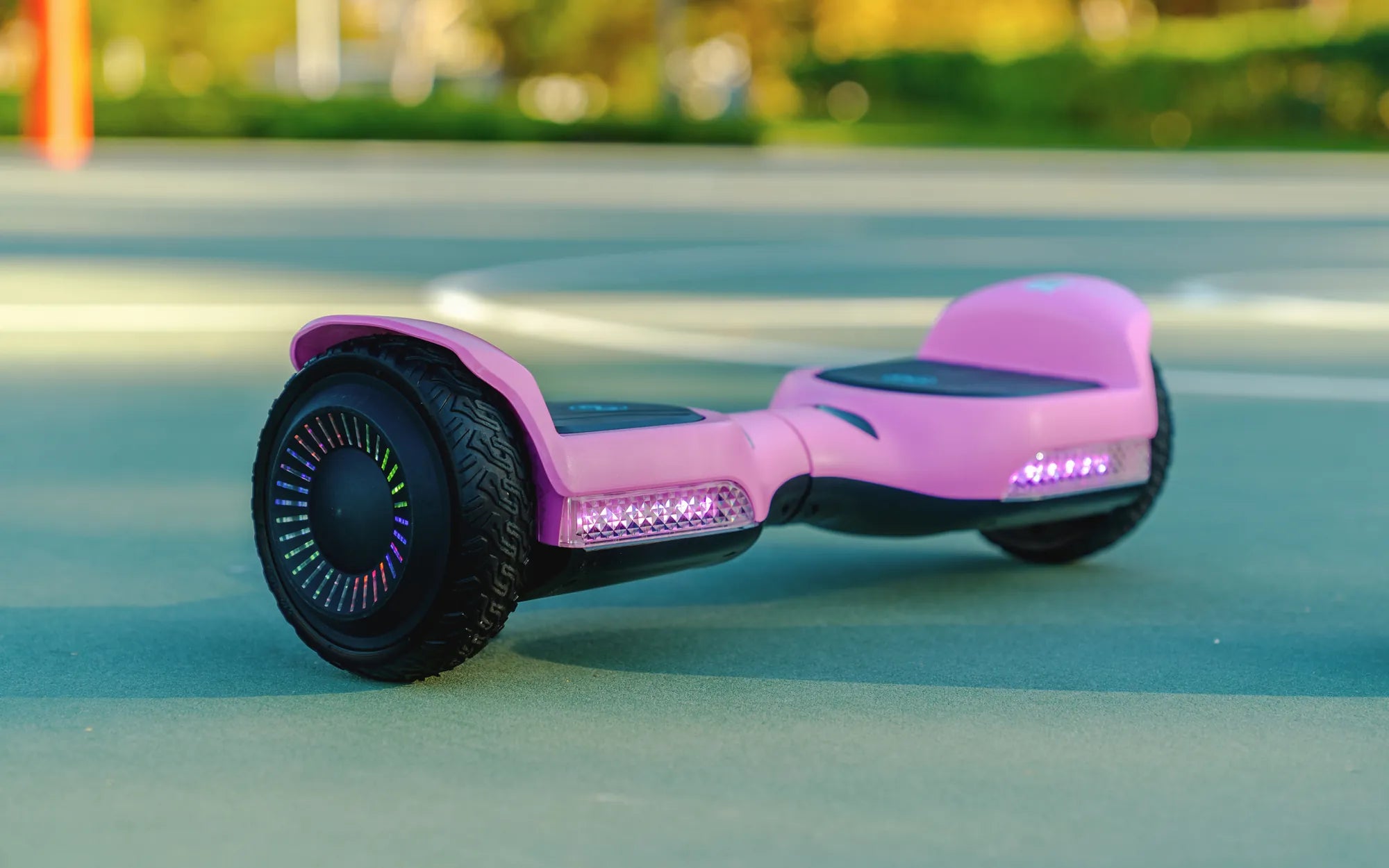
An E Scooter Hoverboard is a compact, self-balancing electric vehicle designed for a standing rider. It typically features a central deck for footing, one or two closely aligned wheels, and a handheld steering column, often a T-bar, for control and stability. This design fundamentally differs from a traditional hoverboard, which lacks a steering column, and from a standard e-scooter, which does not utilize self-balancing gyroscopic technology for its primary operation.
The core innovation lies in its integration of systems. It uses gyroscopic sensors and accelerometers, similar to those in a hoverboard, to maintain balance fore and aft. Meanwhile, the handheld T-bar provides lateral stability and precise steering input, creating a ride that feels both intuitive and secure. This fusion creates a new vehicle category optimized for dense urban environments where agility and portability are paramount.
Key Design and Functional Features
The architecture of an E Scooter Hoverboard is defined by several key components. The self-balancing system is the brain, constantly making micro-adjustments to the wheel motors to keep the platform level. The handheld steering column is the primary interface; riders lean it gently left or right to initiate turns, a control scheme that is quickly mastered. The deck is designed with a textured, non-slip surface to ensure secure footing.
Motors are usually hub-based and integrated directly into the wheel(s), providing direct drive and efficient power transfer. Control mechanisms are intuitive: leaning forward on the deck accelerates, while leaning back decelerates or engages regenerative braking. This lean-to-steer and lean-to-accelerate design creates a dynamic and immersive riding experience that is uniquely engaging compared to thumb-throttle scooters.
Why Choose an E Scooter Hoverboard? Advantages for the Modern Commuter
The E Scooter Hoverboard offers a compelling set of advantages tailored to the challenges of modern city life. Its value proposition centers on solving specific urban pain points: lack of storage space, congested pathways, and the desire for an efficient yet enjoyable commute. For many, it represents the optimal balance between form, function, and fun.
Data from user reports and product specifications consistently highlight three core advantages: superior portability, exceptional maneuverability, and a highly engaging ride quality. These factors collectively make it a strong contender for short-distance travel, easily covering the 1-5 mile journeys that are too far to walk but inefficient for a car.
Unmatched Portability and Storage
Portability is a defining strength. Most models are designed to be compact and often feature a telescoping or folding T-bar mechanism. When collapsed, an E Scooter Hoverboard can be carried with one hand, rolled like luggage, or easily stowed under a desk, in a classroom locker, or in a car trunk. Its footprint is significantly smaller than even a folded traditional e-scooter and minuscule compared to an e-bike.
This makes it seamlessly compatible with multi-modal commuting. Riders can use it for the first and last leg of a trip, then carry it onto a bus, train, or into an office without hassle. The average weight ranges from 25 to 35 pounds, making it manageable for most adults to lift for short periods, a critical factor for urban dwellers navigating stairs or public transit.
Agile Maneuverability in Crowded Spaces
Navigating crowded sidewalks, bike lanes, and shared urban paths requires a vehicle with a tight turning radius and nimble handling. The E Scooter Hoverboard excels here. Its steering, controlled by leaning the handlebar, allows for precise, fluid movements and can execute turns within its own length. This agility is superior to traditional e-scooters, which require more space to turn safely.
This capability reduces conflict in shared spaces and increases rider confidence when navigating around pedestrians, street furniture, and other obstacles. The compact wheelbase and low center of gravity contribute to stability during these maneuvers, providing a sense of control that is essential for safe urban riding.
The Fun Factor: A Dynamic Riding Experience
Beyond pure utility, the E Scooter Hoverboard delivers a uniquely fun experience. The riding dynamic—where the vehicle feels like an extension of your body, responding to subtle weight shifts—is engaging and enjoyable. It transforms a mundane commute into a dynamic activity. This intrinsic fun factor encourages consistent use, promoting a sustainable mode of transport that riders look forward to using.
This experiential quality bridges the gap between practical transportation and recreational gadget. It appeals to a broad demographic, from students and professionals seeking a efficient commute to enthusiasts who enjoy the sensation of gliding effortlessly through urban landscapes. The E Scooter Hoverboard successfully marries the thrill of personal electric mobility with everyday practicality.
Critical Considerations: Safety, Performance, and Practicality
Adopting any new vehicle requires a clear-eyed assessment of its limitations and requirements. A responsible evaluation of an E Scooter Hoverboard must prioritize safety, understand real-world performance metrics, and acknowledge its practical boundaries regarding weather and durability. Informed riders make safe riders and satisfied owners.
Safety First: Built-in Protections and Rider Responsibility
Safety is a shared responsibility between manufacturer design and rider behavior. High-quality models incorporate multiple safety features: non-slip deck pads, bright LED headlights and taillights for visibility, electronic speed limiters, and beginner modes that restrict top speed while learning. The self-balancing system itself provides a foundational stability that can prevent tip-overs at low speeds.
Rider responsibility is non-negotiable. Wearing a helmet is essential; knee and elbow pads are highly recommended, especially for beginners. Learning should occur in a safe, open, paved area free of traffic. Furthermore, battery safety is paramount. Brands like Gyroor mitigate risk by exclusively using UL-certified battery packs, which have undergone rigorous testing for thermal stability and electrical safety, a critical differentiator in the market.
Performance Metrics: Speed, Range, and Terrain
Performance expectations must be grounded in reality. Most consumer-grade E Scooter Hoverboards have a top speed between 10 and 15 mph, which is ideal for bike lanes and shared paths. Real-world range varies significantly based on rider weight, terrain, and speed, but 10 to 20 miles per charge is a common benchmark. Motors typically range from 250W to 500W, providing enough power for urban flats and gentle inclines.
Terrain compatibility is limited primarily to smooth, paved surfaces. While robust wheels can handle minor cracks and bumps, these vehicles are not designed for off-road use. Steep hills can challenge lower-powered motors and rapidly drain the battery. Always check the manufacturer's stated maximum weight capacity, usually between 220 and 265 pounds, to ensure safe operation and advertised performance.
Weather and Durability: Is it an All-Weather Vehicle?
An E Scooter Hoverboard is best suited for fair-weather commuting. While high-quality models boast significant durability for daily use, exposure to heavy rain, snow, or deep puddles is not advised. The key specification here is the IP (Ingress Protection) rating. An IPX5 rating, a standard in Gyroor's lineup, means the unit is protected against water jets from any direction, making it safe to ride on wet pavement and in light rain.
This water-resistant design protects the core electronics and battery compartment from splashes, a common occurrence in urban settings. However, it does not make the vehicle submersible. Proper care includes wiping it down after a wet ride and storing it in a dry place. This practical approach to weather resistance extends the vehicle's lifespan and ensures reliable performance.
E Scooter Hoverboard vs. Traditional E-Scooter: A Side-by-Side Comparison
Choosing between an E Scooter Hoverboard and a traditional electric scooter depends heavily on individual priorities. The table below provides a clear, data-driven comparison to highlight the strengths and ideal use cases for each vehicle type.
| Feature | E Scooter Hoverboard | Traditional E-Scooter |
|---|---|---|
| Portability (Size/Weight) | Extremely compact; often foldable T-bar. Avg. 25-35 lbs. Easy to carry/store. | Larger footprint when folded. Avg. 30-45 lbs. Can be bulky to carry. |
| Learning Curve | Moderate. Requires balance practice. Intuitive lean-to-steer controls. | Low. Very easy to start riding. Simple thumb throttle and hand brakes. |
| Storage (e.g., in a shop/at work) | Can often be rolled inside or tucked under a counter/desk. | Usually requires dedicated floor space or an outdoor lock-up. |
| Ride Comfort & Suspension | Direct feel of the road. Smaller wheels transmit more vibration. Rarely has suspension. | Often has larger wheels and/or front/rear suspension for smoother rides over bumps. |
| Maximum Speed & Range | ~10-15 mph, 10-20 mile range. | ~15-25+ mph, 15-40+ mile range (higher-end models). |
| Primary Use Case | Ultra-agile last-mile travel, fun recreational rides, crowded urban corridors. | Longer commutes, faster-paced travel, riders prioritizing comfort and speed. |
| Approximate Price Point | $$ (Mid-range) | $$ - $$$$ (Wide range from budget to premium) |
This comparison shows the E Scooter Hoverboard is the specialist in portability and agility, while the traditional e-scooter is the generalist, often offering more comfort and speed for a slightly less portable package.
Making the Right Choice: A Buyer's Guide for 2024
Selecting a high-quality E Scooter Hoverboard requires careful consideration of specifications, brand reputation, and post-purchase support. With numerous options available, focusing on safety certifications, real-world performance matching your needs, and reliable customer service will lead to a satisfying long-term ownership experience.
Prioritizing Certified Safety and Warranty
The single most important purchasing criterion is battery safety certification. Insist on models that explicitly state the use of UL-certified battery packs. This independent verification drastically reduces the risk of battery-related incidents. Next, scrutinize the warranty. A comprehensive warranty of at least one year on the vehicle, like that offered by Gyroor, signals manufacturer confidence and protects your investment against defects.
Warranty terms should cover the battery, motor, and frame. A reputable brand will stand behind its product. Avoid obscure brands with vague or non-existent warranty policies, as they may not provide support if issues arise, turning your mobility solution into a costly paperweight.
Matching Specs to Your Lifestyle
Conduct a personal needs assessment. Calculate your typical daily travel distance and add a 20-30% buffer to the advertised range to account for real-world conditions like hills and wind. If you have stairs at home or work, prioritize weight. Check local regulations regarding where you can legally ride (bike lanes vs. sidewalks) to ensure your chosen speed settings are compliant.
Consider storage at both ends of your journey. If you need to bring it inside a coffee shop or office, the compact, rollable nature of an E Scooter Hoverboard is a major advantage. Aligning the vehicle's physical and performance characteristics with your daily routine is key to seamless integration into your life.
The Importance of Reliable Brand Support
Post-purchase support is a critical but often overlooked factor. A brand with a established track record and a large customer base, like Gyroor with over 100,000 riders, typically has robust support systems. This includes accessible customer service teams, available spare parts (e.g., tires, inner tubes, chargers), and online resources like tutorial videos and manuals.
This support network ensures that maintenance is manageable and that you can get help if you encounter problems. It transforms the product from a disposable gadget into a durable tool. Investing in a brand known for reliability and support, evidenced by high average customer ratings, provides long-term peace of mind.
Frequently Asked Questions (FAQ)
Q: Is an E Scooter Hoverboard hard to learn?
A: Most riders with average balance can learn the basics within 30-60 minutes in a safe, open area. The self-balancing feature assists significantly with forward/backward stability. Mastering tight turns and higher speeds may take a few days of practice. Using the beginner mode is highly recommended for the first few rides.
Q: Are they legal to ride on sidewalks and roads?
A: Laws vary dramatically by city, state, and country. Generally, they are not permitted on sidewalks in many urban areas. They are often treated similarly to e-scooters and allowed in bike lanes or on roads with speed limits under 25-35 mph. It is the rider's responsibility to research and comply with all local regulations before riding.
Q: How long does the battery last, and what's the charging time?
A> A quality UL-certified battery, like those used by Gyroor, is rated for 500+ full charge cycles while maintaining significant capacity. With typical use, this translates to several years of service. Charging time from empty to full usually ranges from 3 to 5 hours, depending on battery capacity. Avoid leaving the unit plugged in indefinitely after it's fully charged.
Q: Can it handle hills and slight inclines?
A> Yes, but with limitations. Models with 350W-500W motors can handle gentle to moderate inclines (up to ~15% grade). Steeper hills will reduce speed significantly and drain the battery much faster. Always check the manufacturer's stated hill-climbing grade for your specific model and consider your local terrain.
Q: What maintenance does it require?
A> Maintenance is minimal but important. Regularly check tire pressure (for pneumatic tires), ensure all screws and bolts are tight, and keep the vehicle clean, especially after wet rides. Periodically inspect the brakes (if equipped) and check for unusual noises or vibrations. Store the device in a cool, dry place and avoid completely draining the battery for long periods.
Conclusion: A Smart, Fun Investment in Personal Mobility
The E Scooter Hoverboard has firmly established itself as a legitimate and compelling category in personal electric transport. It delivers a unique combination of ultra-portability, agile handling, and pure riding enjoyment that is perfectly suited for short urban commutes and recreational fun. By solving specific problems of storage and navigation in crowded cities, it represents a thoughtful evolution in micro-mobility.
Success with this vehicle hinges on informed selection and responsible riding. Prioritizing safety through certified components, matching performance specs to your daily needs, and choosing a brand with proven reliability and support are the pillars of a great ownership experience. As urban landscapes evolve, the E Scooter Hoverboard stands out as a versatile, efficient, and exhilarating way to move. For those ready to embrace this future, exploring a trusted brand's collection is the next logical step. Discover the full range of UL-certified, IPX5 water-resistant models engineered for reliability and fun. Browse the full Gyroor collection at gyroorboard.com.
Which Hoverboard Is the Best: Your Guide to the Perfect Ride
What Is the Best Christmas Gift for Girls? Top Ideas She’ll Love