



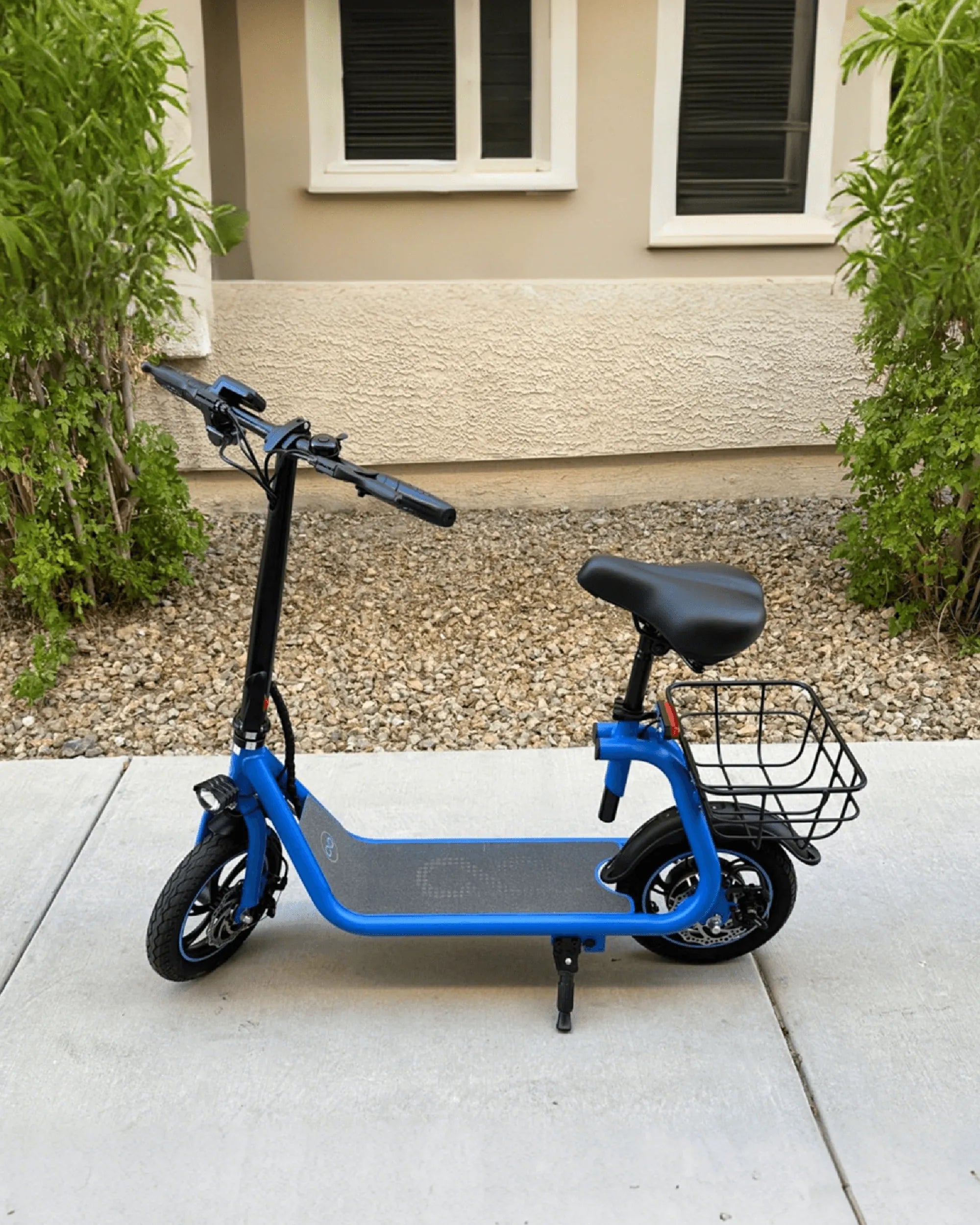
The e-scooter industry exist as a transformative force in urban mobility, offering a sleek, efficient, and sustainable alternative to traditional transportation. From bustling city streets to college campuses, electric scooters have become a ubiquitous sight, revolutionizing how people navigate short distances. But what lies beneath this rapid rise? Let’s dive into the dynamics of this booming sector.
The Rise of the E-Scooter Industry
Over the past decade, the e-scooter industry has exploded onto the scene, driven by advancements in battery technology, urbanization, and a growing demand for eco-friendly transport. Cities worldwide have embraced these compact vehicles as a solution to traffic congestion and pollution. Shared e-scooter programs, in particular, have gained traction, allowing users to rent scooters on-demand via smartphone apps.
Key Drivers of Growth
Several factors have fueled the expansion of the e-scooter industry. First, the push for sustainability has made electric scooters an attractive option for environmentally conscious commuters. Unlike cars, e-scooters produce zero emissions and require minimal infrastructure. Second, the convenience of last-mile connectivity has addressed a critical gap in public transportation systems. Commuters can now seamlessly bridge the distance between transit hubs and their final destinations.
Challenges Facing the Industry
Despite its rapid growth, the e-scooter industry faces significant hurdles. Safety concerns top the list, with accidents and injuries prompting calls for stricter regulations. Cities have struggled to balance innovation with public safety, leading to varying degrees of oversight. Additionally, vandalism and improper parking have marred the industry’s reputation, forcing companies to invest in better fleet management solutions.
Regulatory Landscape
Governments and municipalities are grappling with how to regulate e-scooters effectively. Some cities have implemented strict speed limits, designated parking zones, and helmet requirements, while others have banned them outright. The lack of uniform regulations creates uncertainty for operators and users alike. However, as the industry matures, standardized policies are expected to emerge.
Technological Innovations
The e-scooter industry is ripe for innovation. Advances in battery life, swappable batteries, and AI-powered fleet management are enhancing efficiency and user experience. Some companies are experimenting with geofencing to control scooter speeds in crowded areas, while others are integrating IoT sensors for predictive maintenance. These innovations promise to address current pain points and unlock new opportunities.
The Future of E-Scooters
As urbanization intensifies and climate change concerns grow, the e-scooter industry is poised for long-term success. Experts predict that shared mobility will continue to expand, with e-scooters playing a central role in smart city initiatives. Partnerships with public transit agencies and investments in infrastructure, such as dedicated lanes and charging stations, will further solidify their place in the transportation ecosystem.
The e-scooter industry exist not just as a fleeting trend but as a cornerstone of modern urban mobility. With innovation, collaboration, and thoughtful regulation, it has the potential to redefine how we move—making cities cleaner, less congested, and more accessible for all. The ride is just beginning.
Electric Bike for Adults Under $600: Affordable and Efficient Commuting
28 mph Electric Bike: The Ultimate Guide to Speed and Efficiency