

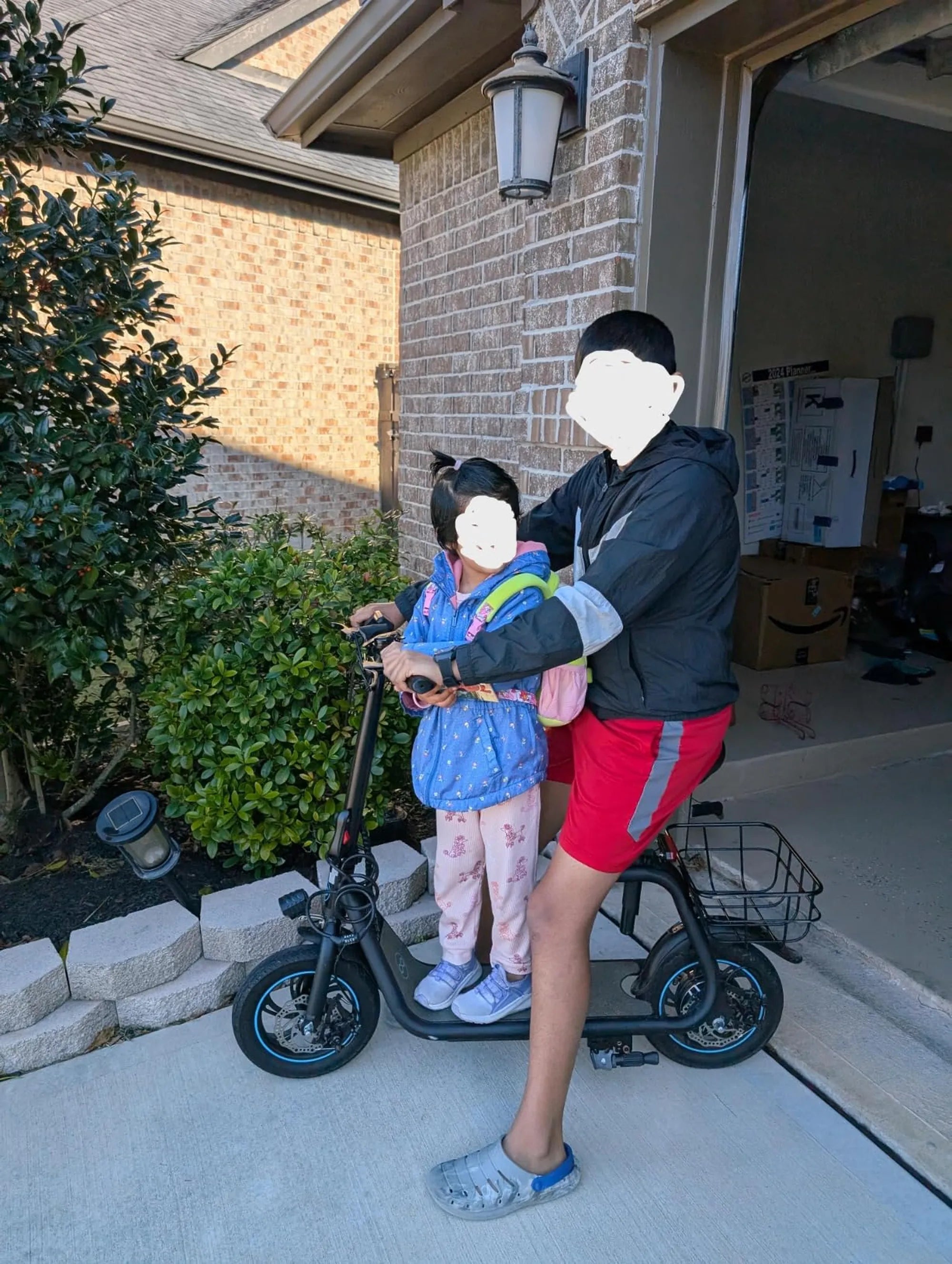
E scooters have taken cities by storm, offering a convenient and eco-friendly way to get around. But as their popularity grows, so do the questions about e scooter regulations. Whether you're a daily commuter or a weekend rider, understanding the rules is crucial to avoid fines and stay safe. Let’s dive into the world of e scooter regulations and uncover what you need to know before hitting the road.
The Rise of E Scooters and the Need for Regulations
E scooters have transformed urban mobility, providing a quick and affordable alternative to cars and public transport. However, their rapid adoption has outpaced the development of clear guidelines in many areas. Cities worldwide are scrambling to create frameworks that balance innovation with public safety. Without proper regulations, e scooters can pose risks to riders, pedestrians, and traffic flow.
Where Are E Scooters Allowed?
One of the biggest questions riders face is where they can legally operate their e scooters. Rules vary widely by location, but common restrictions include:
- Roads vs. Bike Lanes: Many cities require e scooters to ride in bike lanes or on roads with speed limits below a certain threshold.
- Sidewalk Bans: Riding on sidewalks is often prohibited to protect pedestrians.
- Parking Rules: Improperly parked e scooters can obstruct pathways, leading to fines or impoundment.
Speed Limits and Age Restrictions
Speed limits for e scooters typically range from 15 to 25 mph, depending on local laws. Some areas also impose age restrictions, requiring riders to be at least 16 or 18 years old. Helmets may be mandatory, especially for younger riders. Ignoring these rules can result in penalties or even confiscation of the scooter.
Safety Gear and Best Practices
Even if not legally required, wearing a helmet and reflective gear is a smart move. E scooters are small and can be hard for drivers to spot, making accidents a real risk. Other safety tips include:
- Avoiding distractions like phones or headphones.
- Using hand signals to indicate turns.
- Regularly checking brakes and tire pressure.
The Legal Consequences of Breaking E Scooter Regulations
Violating e scooter rules can lead to fines, points on your driver’s license, or even legal action in case of accidents. Some cities have implemented strict enforcement, including ticketing riders who ignore traffic laws. Understanding local regulations is the best way to avoid trouble.
How Cities Are Adapting to E Scooter Growth
Many municipalities are experimenting with permits, designated parking zones, and geofencing technology to manage e scooter use. These measures aim to reduce clutter and improve safety while keeping e scooters accessible. Riders should stay updated on local changes to avoid surprises.
E scooter regulations are evolving, and staying informed is your best defense against fines and accidents. Whether you're a seasoned rider or just starting, knowing the rules ensures a smoother, safer journey. So before you hop on your e scooter, take a moment to check the latest guidelines—it could save you time, money, and even your life.
E Scooter for Winter: The Ultimate Guide to Riding Safely and Efficiently
E Scooter Frame: The Backbone of Your Ride's Performance and Safety