



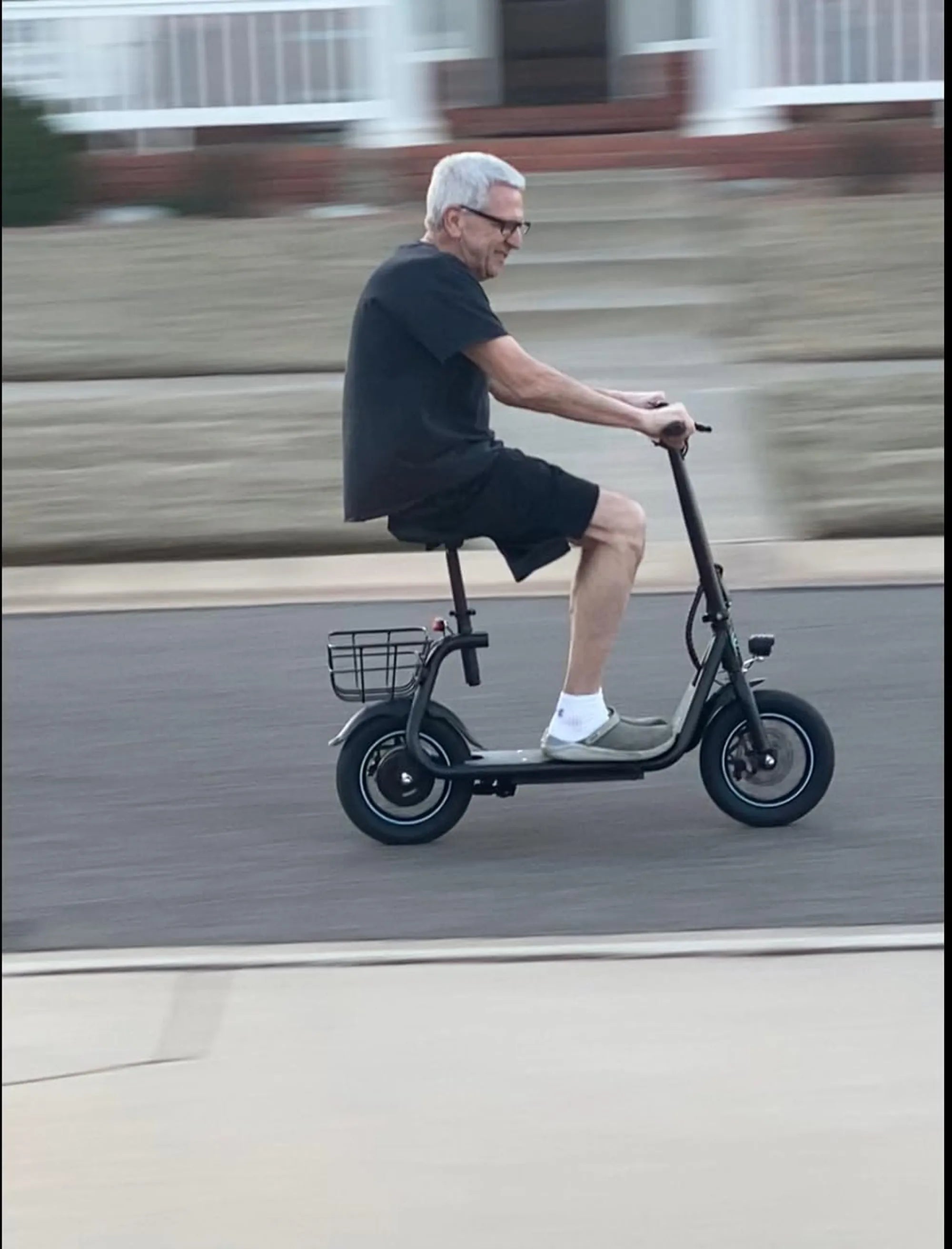
E-scooters have taken cities by storm, offering a convenient and eco-friendly way to navigate urban landscapes. But as their popularity soars, so do concerns about safety. Governments and municipalities worldwide are scrambling to implement e-scooter safety regulations to protect riders, pedestrians, and motorists alike. Whether you're a daily commuter or an occasional rider, understanding these rules is crucial for a safe and legal ride.
The Rise of E-Scooters and the Need for Regulation
Electric scooters have become a common sight in cities, thanks to their affordability, portability, and ease of use. However, their rapid adoption has outpaced the development of clear safety guidelines. Accidents involving e-scooters have surged, prompting lawmakers to take action. From speed limits to helmet requirements, new regulations aim to strike a balance between innovation and public safety.
Key E-Scooter Safety Regulations Around the World
Different regions have adopted varying approaches to e-scooter safety. Some cities require riders to wear helmets, while others enforce strict speed limits. Below are some common regulations:
- Speed Limits: Many cities cap e-scooter speeds at 15-20 mph (24-32 km/h) to reduce accident risks.
- Helmet Laws: Some jurisdictions mandate helmets for all riders, while others only require them for minors.
- Riding on Roads vs. Bike Lanes: Rules vary—some cities allow e-scooters on bike lanes, while others restrict them to roads.
- Age Restrictions: Most places set a minimum age (often 16 or 18) for e-scooter riders.
- Parking Rules: Improperly parked e-scooters can obstruct sidewalks, leading to fines or impoundment.
Why E-Scooter Safety Regulations Matter
Without proper rules, e-scooters can pose significant risks. Collisions with pedestrians, cars, and stationary objects are common, often resulting in injuries. Regulations help minimize these dangers by setting clear expectations for riders and ensuring accountability. They also encourage responsible riding habits, such as avoiding sidewalks and yielding to pedestrians.
How Cities Are Adapting to E-Scooter Growth
As e-scooter usage grows, cities are investing in infrastructure to accommodate them. Dedicated bike lanes, parking zones, and public awareness campaigns are becoming more common. Some cities are even using geofencing technology to limit e-scooter speeds in high-traffic areas.
Best Practices for Safe E-Scooter Riding
Even with regulations in place, riders must take personal responsibility for their safety. Follow these tips to stay safe:
- Always wear a helmet, even if it's not required by law.
- Stay alert and avoid distractions like phones or headphones.
- Follow traffic laws, including stopping at red lights and yielding to pedestrians.
- Ride defensively and anticipate potential hazards.
- Use lights and reflective gear when riding at night.
The Future of E-Scooter Safety Regulations
As technology evolves, so will e-scooter safety measures. Innovations like automatic speed adjustment in crowded areas, improved braking systems, and better rider education programs are on the horizon. Lawmakers will continue refining regulations to keep pace with this dynamic mode of transportation.
E-scooters are here to stay, but their long-term success hinges on safety. By staying informed about regulations and adopting responsible riding habits, you can enjoy the convenience of e-scooters while minimizing risks. Ready to hit the streets? Make sure you know the rules—your safety depends on it.
Electric Scooters Good for Environment: A Green Revolution on Wheels
Best Motorized Scooter for Elderly: A Comprehensive Guide to Safe and Comfortable Mobility