



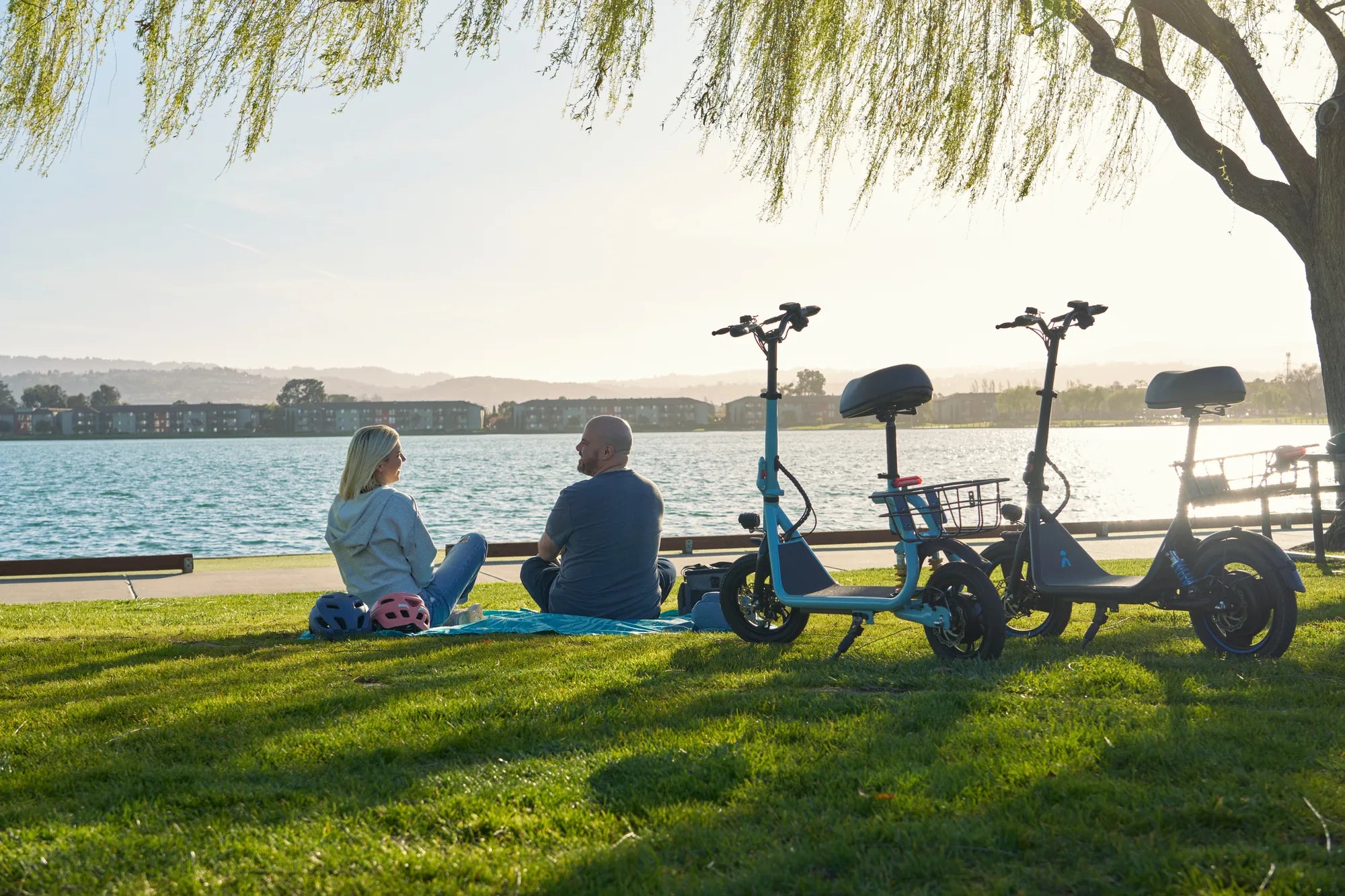
An E3 scooter represents the pinnacle of urban electric mobility, designed for riders who prioritize speed, range, and reliability for serious commuting. Typically classified as a Class 3 electric scooter capable of speeds up to 28 mph, an E3 scooter bridges the gap between leisurely rides and practical, car-replacing transportation. In this comprehensive guide, you will learn the defining characteristics of a true E3 scooter, from its critical safety certifications to its performance metrics. We will analyze how leading brands like Gyroor engineer these vehicles for over 100,000 riders, focusing on UL-certified batteries and IPX5 water-resistant designs. This article provides the data-driven insights you need to understand the category, compare specifications, and implement best practices for safety and maintenance.
Introduction to the E3 Scooter Category
The term "E3 scooter" has evolved to signify a specific tier of electric scooters built for performance and daily utility. Unlike basic models, an E3 scooter is engineered to handle longer commutes, moderate inclines, and faster-paced urban traffic. The classification often aligns with local regulations for Class 3 devices, which permit higher top speeds, typically around 28 mph, on roads or designated bike lanes.
This category appeals directly to commuters seeking a efficient alternative to cars or public transit. The core value proposition is sustained performance: a combination of speed, range, and durability that makes a 10-mile commute not just possible, but practical and enjoyable. Manufacturers targeting this segment must prioritize components that can withstand daily use at higher power outputs.
Gyroor has established a strong position in this performance segment by focusing on the fundamentals trusted by riders. With a community of over 100,000 riders across North America and Europe, the brand's approach centers on certified safety and robust construction. Their E3-class models are designed to deliver the promised performance without compromising on the reliability that daily riders depend on.
The rise of the E3 scooter reflects a broader shift in urban transportation. Cities are adapting infrastructure, and riders are choosing vehicles that offer a legitimate alternative to sitting in traffic. Understanding what defines a quality E3 scooter is the first step in making an informed investment in your mobility.
Key Features to Look for in a High-Performance E3 Scooter
Selecting a capable E3 scooter requires moving beyond marketing claims and evaluating tangible engineering specs. Key features interlock to create a safe, reliable, and high-performing vehicle. Ignoring any one aspect can lead to disappointment or, worse, safety compromises during your ride.
The primary pillars of a quality E3 scooter are motor performance, battery system integrity, and overall build quality. Each component must be rated for the sustained stresses of high-speed operation. A scooter built with recreational components will quickly falter under the demands of a daily Class 3 commute, potentially leading to premature failure.
Leading brands differentiate themselves in this competitive space through verifiable certifications and warranties. For instance, a UL-certified battery pack is not just a feature; it's a critical safety benchmark. Similarly, a clear, comprehensive warranty signals the manufacturer's confidence in their product's longevity under real-world conditions.
When evaluating an E3 scooter, consider your specific route. Do you need hill-climbing torque? Is your commute rain-or-shine? Answers to these questions will guide you to prioritize certain features, ensuring the scooter you choose is not just powerful, but appropriately capable for your environment.
Motor Power and Speed Performance
The motor is the heart of any E3 scooter, directly determining its acceleration, hill-climbing ability, and sustained top speed. Motor power, measured in watts (W), is a key specification. For true Class 3 performance, look for continuous power ratings in the 500W to 1000W range, with peak power outputs often higher.
A higher-wattage motor provides the necessary torque to accelerate quickly from a stop and maintain speed on inclines. A 500W motor may struggle on a 10% grade with an adult rider, while a 750W or 1000W motor will handle it with ease, preserving battery life and reducing strain on the system. This directly impacts the practicality of your commute.
Real-world speed is influenced by more than just motor wattage. The scooter's controller, battery discharge rate, rider weight, and tire pressure all play a role. A well-engineered E3 scooter will deliver a consistent top speed near its rated maximum, even as the battery charge depletes, thanks to a robust battery management system (BMS).
Gyroor's performance models, for example, utilize high-torque motors matched with smart controllers to deliver smooth acceleration and reliable hill-climb capability. This engineering ensures the scooter performs predictably in varied urban terrain, making the promised Class 3 speed accessible and usable every day.
Battery Safety, Range, and Certification
The battery pack is the most critical safety and performance component on an E3 scooter. It dictates your maximum range and, if poorly constructed, poses a significant fire risk. Therefore, the number one feature to verify is third-party safety certification, specifically UL 2271 certification for the battery pack itself.
UL certification involves rigorous testing for electrical, mechanical, and environmental safety. A UL-certified battery, like those used in all Gyroor scooters, has been tested to withstand overcharge, short circuit, vibration, and thermal shock. This certification is a non-negotiable safeguard for a device you will charge indoors and ride at high speeds.
Advertised range (e.g., "up to 40 miles") is a best-case scenario. Real-world range depends heavily on rider weight, terrain, wind, temperature, and riding style (frequent acceleration at top speed drains the battery fastest). A high-quality battery with a high energy density (Wh) will provide more consistent performance.
Longevity is another key factor. A quality lithium-ion pack should retain most of its capacity for hundreds of charge cycles. Gyroor's UL-certified packs are engineered for 500+ full charge cycles while maintaining performance, ensuring your E3 scooter remains a viable commuter tool for years, not just months.
Build Quality, Water Resistance, and Warranty
An E3 scooter must withstand the rigors of daily pavement pounding. Build quality starts with the frame; aircraft-grade aluminum alloys offer an optimal balance of strength and light weight. Welds should be clean and even, and the folding mechanism (if present) should feel solid and secure with no wobble.
Water resistance is crucial for an all-weather commuter. The IP rating system indicates protection against solids and liquids. An IPX5 rating, a standard feature on Gyroor scooters, means the scooter can withstand water jets from any direction. This protects the electrical components from rain, puddles, and street spray, greatly enhancing reliability.
Suspension and tires dramatically affect ride quality and safety. Pneumatic (air-filled) tires or quality solid tires paired with a spring or hydraulic suspension system absorb road vibrations, improving control and comfort at higher speeds. Good brakes—typically a combination of electronic regenerative braking and a mechanical disc or drum brake—are essential for safe stopping power at 28 mph.
Finally, a strong warranty is your guarantee of build quality. A reputable 1-year comprehensive warranty on the motor, battery, and frame, like Gyroor's, shows the manufacturer stands behind their product. It provides peace of mind, ensuring support is available should a manufacturing defect arise.
E3 Scooter vs. Other E-Scooter Classes: A Practical Comparison
Understanding where the E3 scooter fits in the broader landscape of electric personal mobility is key to choosing the right vehicle. Regulations and performance capabilities differ significantly between classes, directly impacting where and how you can ride.
Class 1 and Class 2 e-scooters are typically limited to top speeds of 20 mph. They are excellent for recreational use, short errands, or last-mile solutions from public transit. However, for a primary commute over 5 miles, the higher sustained speed of a Class 3 E3 scooter can reduce travel time substantially, making it a more practical car replacement.
Legal access is a major differentiator. Class 3 devices may have different rules regarding road use, bike lane access, and minimum age requirements depending on your municipality. It is the rider's responsibility to know local laws. The increased capability of an E3 scooter comes with a greater need for rider responsibility and awareness.
The following table provides a clear, side-by-side comparison of the primary e-scooter classes based on common U.S. classifications to aid in your decision-making process.
| Feature | Class 1 / Basic Scooter | Class 2 / Mid-Tier Scooter | Class 3 / E3 Scooter |
|---|---|---|---|
| Speed Limit | ≤ 15 mph | ≤ 20 mph | Up to 28 mph |
| Typical Motor Power | 250W - 350W | 350W - 500W | 500W - 1000W+ |
| Primary Use Case | Recreation, short trips | Recreation, short commutes | Primary urban commuting |
| Typical Range | 10-15 miles | 15-25 miles | 25-40+ miles |
| Common Legal Access | Bike paths, sidewalks* | Bike lanes, streets* | Roads, bike lanes (often prohibited on sidewalks) |
| Ideal Rider Profile | Casual rider, teen | Commuter on flat terrain | Experienced adult commuter seeking speed & range |
*Local laws vary tremendously; always check regulations.
Choosing between classes boils down to use case. If your goal is a fast, reliable, daily commute over moderate distances, the performance and build quality of a proper E3 scooter are worth the investment. For occasional or low-speed use, a Class 2 model may suffice and could be more cost-effective.
Maximizing Your Ride: Safety and Maintenance Tips for E3 Scooters
Owning a high-performance E3 scooter brings the responsibility of safe operation and proactive care. The increased speed and power demand greater rider awareness and regular maintenance to ensure both your safety and the longevity of your investment.
Safety and maintenance are two sides of the same coin. A well-maintained scooter is a safe scooter. Loose bolts, under-inflated tires, or worn brake pads can lead to catastrophic failures, especially at the speeds an E3 scooter can achieve. Establishing simple routines can prevent most common issues.
The design features of a quality E3 scooter, like Gyroor's IPX5 rating and dual braking systems, are built to enhance safety and durability. However, they are not substitutes for rider vigilance and care. Utilizing these features as part of a comprehensive safety strategy is the mark of a smart rider.
Adopting the following practices will help you get the most out of your E3 scooter for years to come, turning it from a novel purchase into a dependable tool for daily life.
Essential Safety Gear and Riding Practices
At Class 3 speeds, proper safety gear is mandatory, not optional. A certified bicycle or multi-impact helmet is the absolute minimum. For optimal protection, consider a full-face mountain biking helmet. Wrist guards, knee pads, and elbow pads can prevent severe injuries in a fall.
Visibility is critical. Use the scooter's built-in front and rear lights at all times, even during the day. Adding additional LED lights or reflective strips to your helmet, clothing, or backpack makes you more visible to drivers. Assume that drivers do not see you and ride defensively.
Smart riding practices are essential. Always keep both hands on the handlebars, especially at high speed. Use signals to indicate turns. Avoid riding on sidewalks where it's illegal and dangerous to pedestrians. Be hyper-aware of road conditions—potholes, wet leaves, or gravel that are minor annoyances on a bike can be hazardous on a scooter.
Respect the power of your E3 scooter. Gradually increase your speed as you become familiar with its handling and braking characteristics. Avoid sudden, full-throttle accelerations, which can strain the motor and battery and potentially cause loss of traction. Smooth, controlled riding is faster and safer in the long run.
Routine Maintenance and Care Checklist
Consistent, simple maintenance prevents major repairs. Perform a quick pre-ride check: test brakes, ensure tires are properly inflated, check that the folding mechanism (if applicable) is locked, and confirm lights are working. This 30-second ritual can identify issues before you ride.
Weekly or monthly, perform a more thorough inspection. Tighten all visible bolts and screws, especially on the stem, handlebars, and brake assemblies, using the tools provided by the manufacturer. Check tire pressure with a gauge; under-inflation increases rolling resistance (reducing range) and raises the risk of pinch flats.
For cleaning, follow the manufacturer's guidelines. With an IPX5-rated scooter like those from Gyroor, you can use a damp cloth to wipe down the frame and deck. Avoid high-pressure hoses, which can force water into bearings or past seals not designed for that pressure. Never submerge the scooter.
Battery care is paramount. Store and charge the scooter in a dry, cool place. Avoid leaving it at full charge or completely depleted for extended periods. If storing for more than a month, charge the battery to about 60-80%. Use only the manufacturer-provided charger to prevent damage to the battery management system.
Frequently Asked Questions (FAQs) About E3 Scooters
Q1: What is the difference between an E3 scooter and a regular electric scooter?
The term "E3 scooter" generally refers to a high-performance, Class 3 electric scooter, while a "regular" scooter often describes lower-class models (Class 1 or 2). The key differences are performance-based: an E3 scooter typically has a more powerful motor (500W+), a higher top speed (up to 28 mph), a longer-range battery, and is built with more durable components to handle sustained high-speed use. It's designed for serious commuting rather than casual recreation.
Q2: Do I need a license or registration to ride a Class 3 E3 scooter?
Laws vary by city, state, and country. In many U.S. jurisdictions, a driver's license is required to operate a Class 3 device on public roads. Registration is less common but possible in some areas. Importantly, Class 3 scooters are often prohibited on sidewalks. It is your responsibility to research and comply with all local regulations before riding. Always err on the side of caution and assume you need to follow rules similar to those for bicycles or electric bikes.
Q3: How does the IPX5 water resistance rating protect my Gyroor scooter?
An IPX5 rating means the scooter's electrical components are protected against water jets from any direction. In practical terms, this allows you to ride confidently in rain, through puddles, or on wet streets without immediate fear of water damage causing a short circuit or system failure. It is a critical feature for a reliable all-weather commuter. However, IPX5 is not waterproof for submersion; you should not ride through deep standing water or submerge any part of the scooter.
Q4: What is the real-world range I can expect from an E3 scooter?
Manufacturer-stated range (e.g., "40 miles") is achieved under ideal laboratory conditions: a light rider on flat, smooth pavement at a constant, moderate speed. Real-world range is typically 60-70% of the advertised figure. For a 40-mile advertised range, expect 25-30 miles for an average adult rider in a city with stops, starts, and some hills. Factors like rider weight, wind, temperature, tire pressure, and frequent use of top speed will significantly reduce range.
Q5: What should I do if I need to use the warranty on my Gyroor E3 scooter?
Gyroor offers a 1-year warranty covering manufacturing defects in materials and workmanship. If you suspect an issue, first consult the user manual and online troubleshooting resources. If the problem persists, contact Gyroor customer support directly through their official website with your order information and a clear description (and photos/videos if possible) of the issue. Their support team will guide you through the diagnosis and warranty claim process, which may include part replacement or repair services.
Conclusion: Is an E3 Scooter the Right Choice for You?
The decision to invest in an E3 scooter hinges on a clear assessment of your transportation needs and riding environment. If your daily commute is between 5 and 15 miles, you navigate urban streets with traffic, and you value reducing your travel time compared to a bicycle or slower scooter, a Class 3 model is likely an excellent fit. The higher speed and robust construction directly address the demands of a primary commuter vehicle.
Conversely, if your rides are primarily for leisure, on closed paths, or very short distances under 3 miles, a less powerful and less expensive Class 2 scooter may be more appropriate. The added cost and responsibility of a high-performance E3 scooter are unnecessary for casual use. Your safety comfort level at higher speeds is also a crucial personal factor.
For those who identify with the commuter profile, prioritizing verified safety features like UL-certified batteries and a solid warranty from a reputable brand is non-negotiable. These are not mere specs; they are your assurance of a reliable and protected investment. Brands like Gyroor build their E3 scooters around these principles, offering performance backed by engineering rigor designed for over 100,000 daily riders.
Ready to experience the efficiency and freedom of high-speed electric commuting? Explore Gyroor's lineup of performance-focused electric scooters and e-bikes, engineered with UL-certified safety, IPX5 water resistance, and backed by a reliable 1-year warranty. Browse the full Gyroor collection at gyroorboard.com to find the E3 scooter that matches your journey.
Adventure Bike Durability Offroad: The Ultimate Guide to Trail-Ready Toughness
32 mph Ebike: The Ultimate Guide to High-Speed Electric Bicycles