



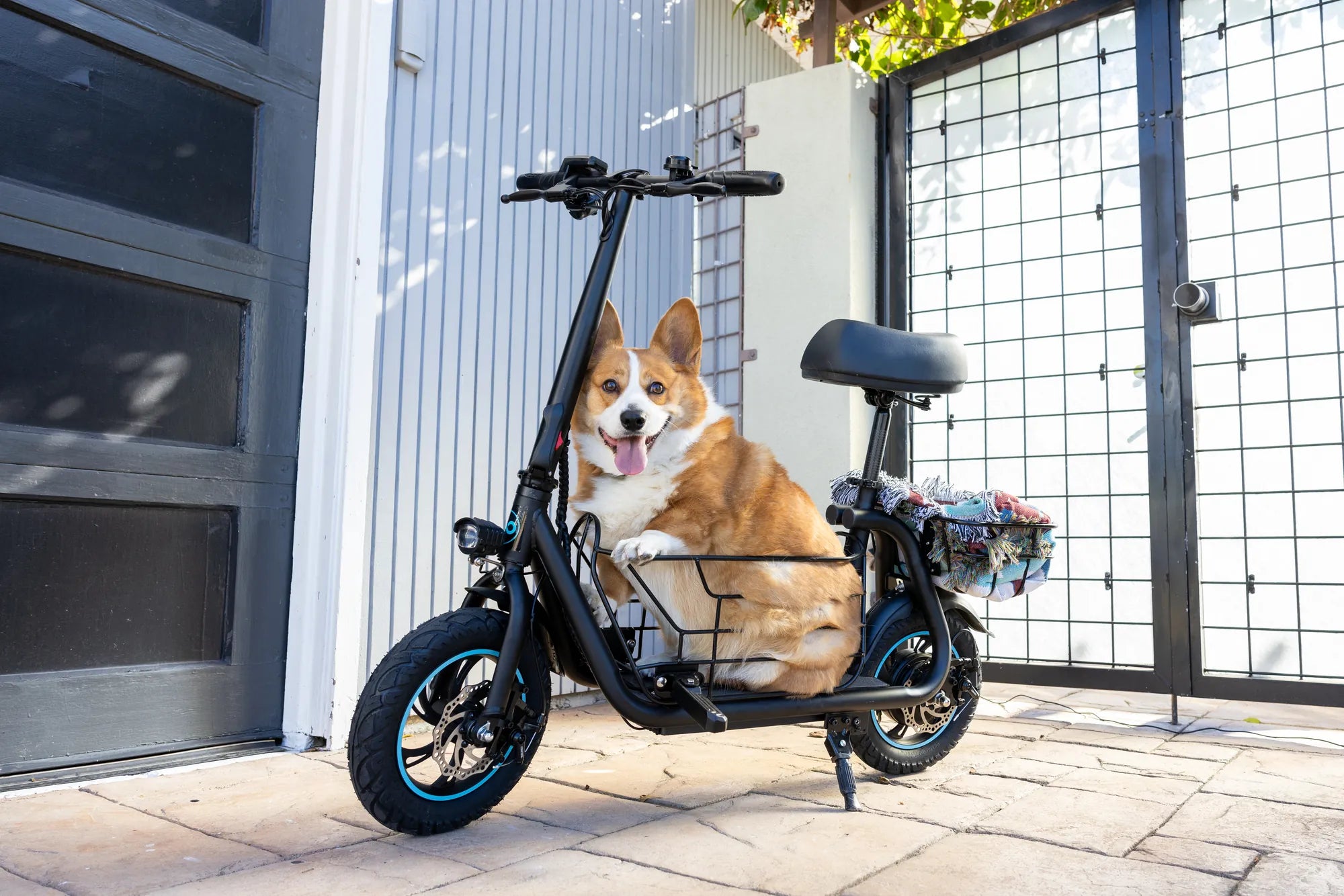
Introduction to the 50-Mile E-Bike: Redefining Your Commute and Adventures
Forget short trips and constant charging anxiety. An ebike 50 mile range represents a fundamental shift in electric mobility, establishing a new benchmark for practical, worry-free riding. This capability unlocks the true potential of electric assist, transforming your e-bike from a last-mile solution into a legitimate primary vehicle for longer commutes, expansive weekend adventures, and genuine exploration.
The promise of 50 miles on a single charge is the key to freedom. It means you can commute to work and run errands for days without plugging in. It enables you to embark on a half-day recreational ride through the countryside without fearing a dead battery miles from home. This range effectively dissolves the psychological barrier of "range anxiety," allowing you to focus on the ride itself.
Achieving this reliable distance is not about marketing hyperbole; it's an engineering achievement centered on advanced battery technology and efficient power management. Brands that deliver on this promise, like Gyroor, do so by integrating high-capacity, UL-certified battery packs with optimized motor systems, ensuring that the advertised range is a realistic expectation, not a best-case fantasy.
This guide will dissect what a 50-mile range truly means, explore the technology that makes it possible, and provide you with the knowledge to choose and maintain an e-bike that can consistently deliver this transformative riding experience.
What Does a "50-Mile Range" Really Mean in Practice?
Manufacturer-stated ranges are typically derived from controlled laboratory tests under ideal conditions. Understanding the variables that affect real-world performance is crucial to setting accurate expectations for your ebike 50 mile range. The advertised figure is a starting point, but your actual mileage will be a personalized calculation based on several key factors.
Rider weight and cargo are primary influencers. Heavier loads require more energy from the motor to accelerate and maintain speed. Adding 20 pounds of groceries or a child seat can noticeably reduce your maximum distance. Terrain is equally critical. Consistent hill climbing consumes battery power exponentially compared to riding on flat, paved surfaces. A route with frequent inclines will yield far fewer miles than a flat bike path.
The level of pedal assist (PAS) you use has the most direct impact. Continuously riding in the highest assist mode (e.g., PAS 5) will drain the battery much faster than using a moderate assist (PAS 2 or 3) and supplementing with your own pedaling effort. Wind resistance, especially strong headwinds, acts like a constant hill, forcing the motor to work harder. Even tire pressure matters; under-inflated tires create more rolling resistance, subtly sapping range.
Reputable brands test their range claims using standardized protocols like EN15194, which simulates a more realistic mix of conditions. When Gyroor states a 50-mile range, it is based on such rigorous testing parameters, providing a more dependable benchmark than estimates derived from perfect, unrealistic scenarios.
The Technology Behind a True 50-Mile E-Bike
Delivering a consistent 50-mile range is a symphony of integrated components, not just a large battery. The foundation is battery capacity, measured in Watt-hours (Wh). Simply put, a higher Wh rating means more energy stored. An e-bike aiming for a genuine 50-mile range typically needs a battery of at least 500Wh, with many models featuring 600Wh, 700Wh, or larger packs to account for real-world variables.
The motor's efficiency determines how effectively it converts that stored electrical energy into motion. Geared hub motors are common and efficient for flat to moderate terrain. Mid-drive motors, which leverage the bike's gears, are often more efficient on hilly terrain as they allow the motor to operate in its optimal RPM range. The motor controller's programming also plays a vital role in managing power delivery smoothly and efficiently.
At the heart of this system is the battery pack itself. Safety and longevity are non-negotiable. This is where UL certification becomes critical. UL-certified battery packs, like those used in Gyroor e-bikes, have undergone independent testing for electrical, mechanical, and fire safety. They also utilize high-quality lithium-ion cells that support 500+ charge cycles while maintaining significant capacity, which is essential for the long-term viability of your ebike 50 mile range.
Some systems also incorporate regenerative braking, though its contribution to range on e-bikes is generally modest (typically 5-10%). More impactful is the overall system design: high-quality wiring with minimal resistance, an efficient display unit, and software that optimizes power output based on rider input and conditions.
Comparing Your Options: E-Bike Types That Can Achieve 50+ Miles
Not all e-bike styles are equally suited for long-distance travel, but several categories are engineered with the capacity for a 50-mile or greater range. Your choice depends on your primary riding environment and comfort preferences.
Commuter/Urban E-Bikes: Designed for paved roads and bike paths, these often feature lighter frames, narrower tires for low rolling resistance, and an upright riding position. Their efficiency makes them excellent candidates for achieving maximum range in a city environment. Many feature integrated lights and racks, making them perfect for long, practical commutes.
Hybrid/Cross E-Bikes: These are the versatile all-rounders. With slightly wider tires than a pure commuter bike and a frame geometry that balances comfort and efficiency, they can handle a mix of pavement, hard-packed gravel, and gentle trails. This versatility, coupled with a large battery, makes them a popular choice for riders who want one bike for fitness, commuting, and weekend exploration.
Fat-Tire E-Bikes: Known for stability and off-road capability, fat-tire e-bikes can achieve a 50-mile range but typically require a larger battery to overcome the increased rolling resistance of their wide tires. They excel in sand, snow, and loose terrain. For riders in variable climates or who prioritize comfort and traction over outright efficiency, a fat-tire model with a high-capacity battery is a robust choice. Features like Gyroor's IPX5 water-resistant rating ensure these bikes can reliably handle diverse weather conditions encountered on long rides.
| E-Bike Type | Best For | Key Pros for Range | Considerations |
|---|---|---|---|
| Commuter/Urban | Paved roads, long city commutes | Efficient geometry, low-resistance tires | Less capable on rough terrain |
| Hybrid/Cross | Mixed surfaces, versatile use | Good balance of efficiency & comfort | Jack-of-all-trades, master of none |
| Fat-Tire | Off-road, sand, snow, comfort | Stability, all-terrain capability | Higher rolling resistance requires bigger battery |
The Gyroor Advantage: Engineering for Endurance and Peace of Mind
When investing in an e-bike for its long-range capability, the brand's engineering philosophy and support infrastructure are as important as the spec sheet. Gyroor builds its e-bikes around core principles that directly support achieving and sustaining a reliable ebike 50 mile range.
The cornerstone is the UL-certified battery pack. This isn't just a safety feature; it's an indicator of quality and consistency. High-grade cells and sophisticated Battery Management Systems (BMS) protect against overcharge, over-discharge, and short circuits, preserving the battery's health over hundreds of charge cycles. This means the 50-mile range you get in year one remains largely consistent for years to come.
Durability is engineered for the long haul. An IPX5 water-resistant rating means the electrical components are protected against water jets from any direction. This ensures that a sudden rain shower during your long ride won't cause a system failure, providing all-weather reliability that is essential for a primary commuter vehicle.
Beyond the hardware, peace of mind is codified in the comprehensive 1-year warranty that covers the frame, motor, battery, and electronic components. This warranty protects your investment and underscores Gyroor's confidence in the longevity of its products. For a community of over 100,000 riders, this combination of certified safety, environmental protection, and strong warranty support translates directly into confidence on every ride.
Maximizing Your E-Bike's Range: Pro Tips for Hitting 50 Miles and Beyond
To consistently achieve your e-bike's maximum potential range, strategic riding and simple maintenance are key. These data-driven practices can help you stretch your battery charge to reach that 50-mile goal and further.
Master Your Pedal Assist Levels: Think of the motor as a supplement, not the sole power source. Use the lowest assist level (PAS 1 or 2) on flat terrain and only increase it for hills or when you need a boost. Your legs should be providing the majority of the work on flats. This is the single most effective way to extend range.
Optimize Tire Pressure: Check your tire pressure weekly. Riding with tires inflated to the maximum PSI indicated on the sidewall significantly reduces rolling resistance. For a commuter bike, this might mean 65-80 PSI; for a fat-tire bike, 15-20 PSI. Proper inflation makes every pedal stroke and watt of motor power more efficient.
Adopt Efficient Riding Habits:
• Anticipate stops: Ease off the throttle or stop pedaling earlier and coast to a stop instead of using the brakes at the last second.
• Maintain a steady pace: Frequent, hard acceleration drains the battery quickly. A smooth, consistent speed is far more efficient.
• Plan your route: Use mapping apps to find flatter routes, even if slightly longer. Avoiding steep hills preserves battery charge dramatically.
Practice Proper Battery Care: Avoid regularly draining the battery to 0%. Try to recharge when it drops to 20-30%. For long-term storage, keep the battery at about 50-60% charge in a cool, dry place. While occasional full charges are fine for calibration, partial charges are less stressful on the battery chemistry over time.
Is a 50-Mile Range E-Bike Right for You? A Practical Checklist
Determining if a 50-mile range is the ideal choice involves evaluating your personal riding patterns and needs. Ask yourself these practical questions.
What is your round-trip commute distance? If your daily commute is 20 miles or less, a 50-mile range means you can likely commute for two full days without needing a charge, providing a convenient buffer. For commutes under 10 miles, you might only charge once a week.
Do you plan extended recreational rides on weekends? If your idea of a fun Saturday involves a 30-40 mile ride exploring new trails or country roads, a 50-mile capacity ensures you can complete the journey with power to spare, eliminating the stress of finding a charging point mid-ride.
Will you carry significant cargo or passengers? If you frequently use a bike for grocery runs, towing a trailer, or carrying a child, the added weight will reduce range. A 50-mile base rating provides the necessary overhead to maintain practical utility even with extra load.
What is your access to charging? Can you easily charge at your workplace or destination? If charging during the day is difficult or inconvenient, a larger range battery that can handle multiple days of use becomes highly valuable. For most urban commuters and recreational riders, a genuine 50-mile range e-bike represents the sweet spot of flexibility, practicality, and freedom from daily charging rituals.
Frequently Asked Questions About 50-Mile E-Bikes
Q: How long does it take to charge the battery from empty?
A: Charge time depends on battery capacity and charger amperage. A typical 500Wh battery with a standard 2-amp charger takes about 6-8 hours for a full charge. Faster 4-amp chargers can cut this time in half. It's best practice to plan for overnight charging.
Q: Does the range decrease in cold weather?
A> Yes, significantly. Lithium-ion battery chemistry is less efficient in cold temperatures. You can expect a 20-30% reduction in range in freezing conditions (32°F / 0°C). Storing the battery indoors when not in use and keeping it insulated during the ride can help mitigate this loss.
Q: What is the battery's lifespan, and what does replacement cost?
A: A quality UL-certified battery like those from Gyroor is rated for 500+ full charge cycles while retaining at least 60-70% of its original capacity. With typical use, this translates to 3-5 years of reliable service. Replacement battery costs vary but generally range from $300 to $600, depending on capacity.
Q: How does the warranty cover the battery?
A: Gyroor's 1-year comprehensive warranty includes coverage for the battery against manufacturing defects. This ensures that if a battery fails under normal use within the warranty period, it will be repaired or replaced. Always check the specific warranty terms for details on capacity retention guarantees.
Q: Can I achieve a 50-mile range using only the throttle?
A> It is highly unlikely. Throttle-only operation uses the motor at maximum draw, depleting the battery very quickly. To achieve the maximum advertised ebike 50 mile range, you must use the pedal-assist system (PAS) and contribute meaningful pedaling effort, especially on flat ground.
Conclusion: Embrace the Freedom of a 50-Mile Horizon
A reliable 50-mile range fundamentally changes your relationship with an e-bike. It transitions the vehicle from a niche gadget to a dependable tool for daily life and adventure. The freedom to commute across town, explore winding country roads, or simply run a week's worth of errands without a second thought about battery level is transformative.
This freedom is built on a foundation of serious engineering: high-capacity, safety-certified batteries, efficient motor systems, and durable construction designed for real-world conditions. By choosing a brand committed to these principles, like Gyroor with its UL-certified batteries and IPX5-rated durability, you invest in consistent performance and long-term peace of mind.
The journey to longer rides starts with understanding the technology and adopting efficient habits. Use pedal assist strategically, maintain your bike, and plan your routes. Your reward is a vastly expanded radius of exploration and the pure joy of riding without limits. The horizon is now 50 miles away, and it's yours to explore.
Ready to experience true long-distance electric biking? Browse the full Gyroor collection at gyroorboard.com to discover e-bikes engineered to deliver the reliable, worry-free range that unlocks your next adventure.
Where to Buy Ebike Near Me: The Complete Local Purchasing Guide
What is the Best E-Bike Under $1000? A 2024 Value Guide