



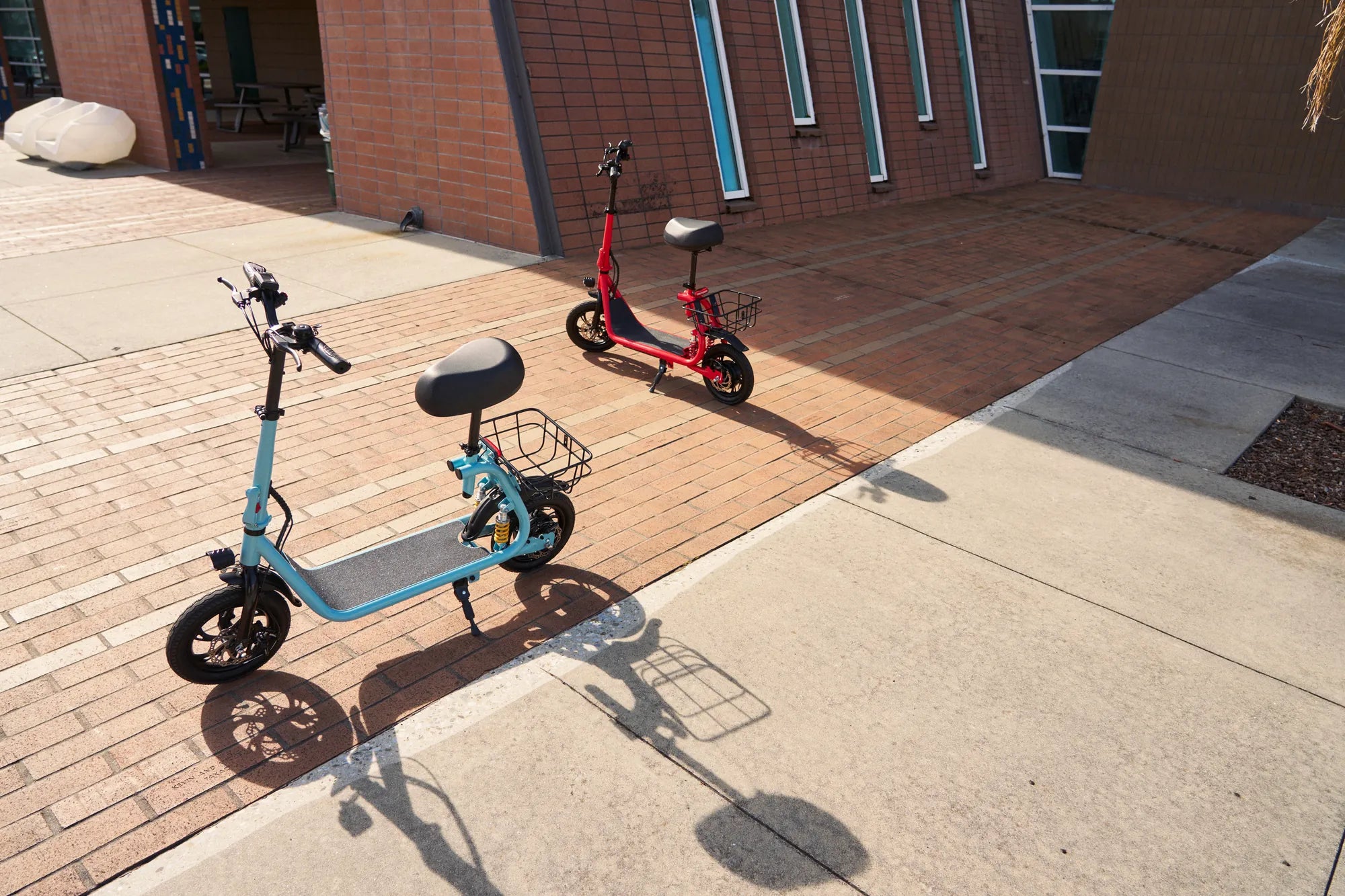
Electric bikes have revolutionized the way we commute, explore, and stay active. At the heart of every ebike lies its most critical component: the ebike battery. Whether you're a daily commuter or a weekend adventurer, understanding your ebike battery can make all the difference in performance, reliability, and longevity. Let’s dive into the world of ebike batteries and uncover the secrets to getting the most out of yours.
How Ebike Batteries Work
Ebike batteries are rechargeable power sources that provide energy to the motor, enabling pedal assistance or full electric propulsion. Most modern ebikes use lithium-ion batteries due to their high energy density, lightweight design, and long lifespan. These batteries store electricity in cells, which are grouped together in packs to deliver the necessary voltage and capacity for your ride.
Types of Ebike Batteries
While lithium-ion dominates the market, there are other types of ebike batteries worth noting:
- Lithium-Ion (Li-ion): Lightweight, efficient, and long-lasting, these are the most popular choice.
- Lithium Polymer (LiPo): Similar to Li-ion but with a slightly different chemical composition, often used in high-performance models.
- Nickel-Metal Hydride (NiMH): Older technology, heavier, and less efficient but more affordable.
- Lead-Acid: Rarely used today due to their weight and short lifespan.
Factors Affecting Ebike Battery Performance
Several factors influence how well your ebike battery performs:
- Capacity (Wh): Measured in watt-hours, this determines how far you can ride on a single charge.
- Voltage (V): Higher voltage means more power, which can improve speed and hill-climbing ability.
- Temperature: Extreme cold or heat can reduce efficiency and lifespan.
- Riding Style: Aggressive acceleration and high assist levels drain the battery faster.
Extending Your Ebike Battery Lifespan
With proper care, an ebike battery can last for years. Follow these tips to maximize its lifespan:
- Avoid Full Discharges: Try to recharge before the battery drops below 20%.
- Store Properly: Keep the battery in a cool, dry place, ideally at 50-80% charge if not in use for long periods.
- Use the Right Charger: Always use a compatible charger to prevent damage.
- Regular Maintenance: Clean battery contacts and check for signs of wear.
Choosing the Right Ebike Battery
When selecting an ebike battery, consider:
- Range Needs: Match the battery capacity to your typical riding distance.
- Weight: Larger batteries provide more range but add weight.
- Compatibility: Ensure the battery fits your ebike’s motor and frame.
- Budget: Higher-quality batteries cost more but offer better performance and durability.
Common Ebike Battery Myths Debunked
There’s a lot of misinformation about ebike batteries. Let’s set the record straight:
- Myth: You should always fully discharge the battery before recharging. Fact: Partial charges are better for lithium-ion batteries.
- Myth: Leaving the battery on the charger overnight damages it. Fact: Modern chargers stop charging when full.
- Myth: All ebike batteries are the same. Fact: Quality and performance vary widely between models.
Future of Ebike Batteries
The ebike battery industry is evolving rapidly. Innovations like solid-state batteries, faster charging, and improved energy density promise even better performance in the coming years. As technology advances, riders can expect lighter, more powerful, and longer-lasting batteries.
Your ebike battery is the key to unlocking endless adventures and hassle-free commutes. By understanding how it works and following best practices, you can enjoy peak performance for years to come. Ready to hit the road with confidence? Your next ride starts with a well-maintained ebike battery!
Escooter Test 2025: The Future of Urban Mobility Unveiled
How to Clean eScooter: A Complete Guide for Spotless Rides