



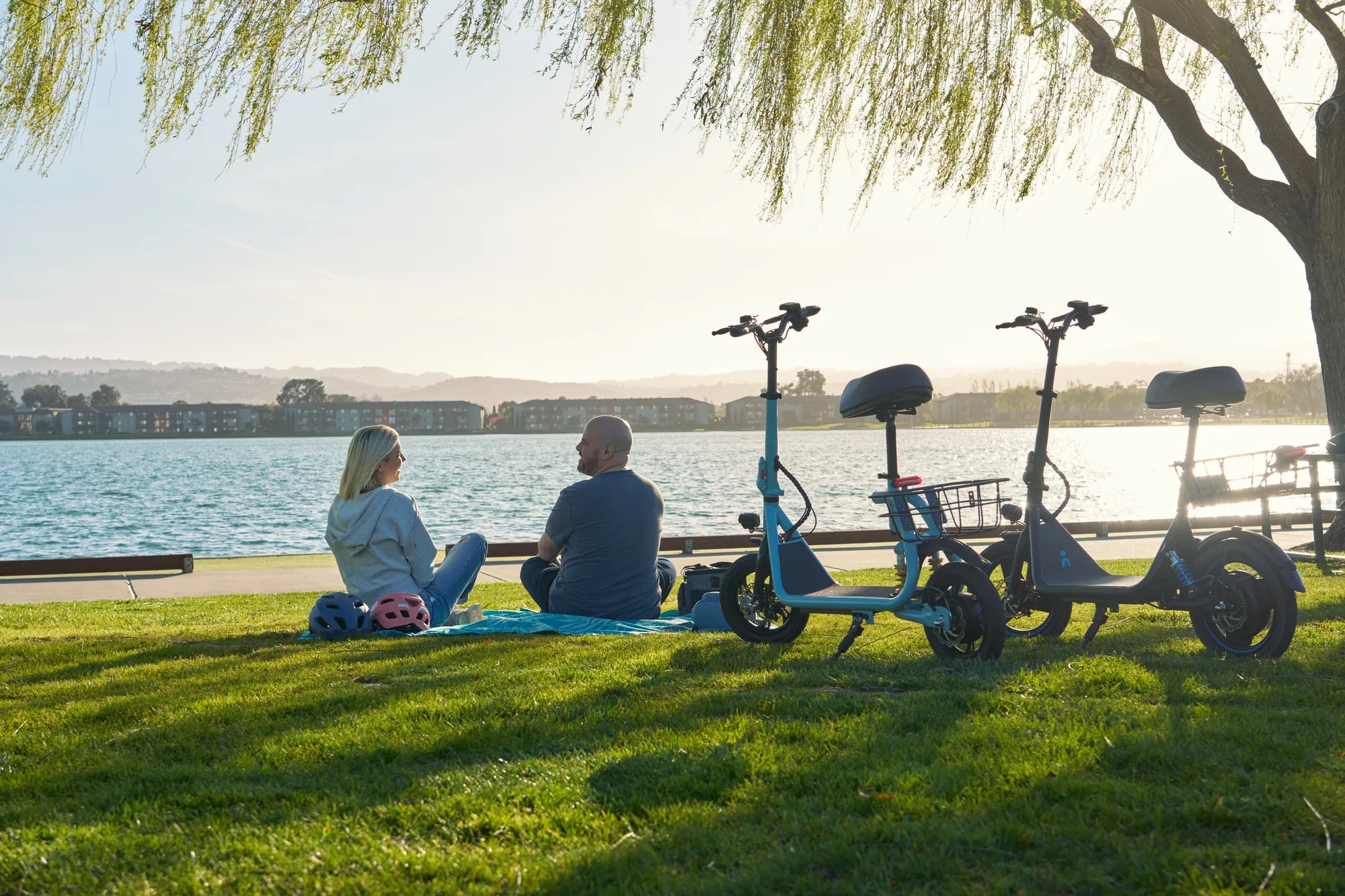
Forget circling the parking lot. The most efficient vehicle for your weekly grocery run might be parked in your hallway. An ebike for groceries represents a fundamental shift in urban and suburban logistics, merging the agility of a bicycle with electric-assist power to handle heavy loads effortlessly. This guide will provide a data-driven analysis of why e-bikes outperform cars and traditional bikes for this specific task, detail the critical features your grocery hauler must have, and offer practical strategies for packing, safety, and maximizing savings. You'll learn how to select a reliable model engineered for daily cargo duties and transform a mundane chore into an efficient, economical, and enjoyable part of your week.
Why an E-Bike is Your Ultimate Grocery Run Companion
The traditional car trip for a few bags of groceries is remarkably inefficient. Studies indicate that a significant percentage of all car trips are under three miles—a perfect distance for an e-bike. When applied to grocery shopping, the e-bike's advantages become overwhelming. You eliminate the search for parking, reduce trip cost to pennies, and add a layer of mild physical activity to your routine without arriving sweaty.
The primary benefit is direct point-to-point access. An e-bike can be locked to a bike rack right at the store entrance, often closer than the nearest parking spot. This saves time and frustration, especially in dense urban areas or during peak shopping hours. The electric assist negates the challenges of hills, headwinds, and distance, making the return trip with a full load not just possible but easy.
From a psychological and practical standpoint, using an ebike for groceries often leads to more frequent, smaller shopping trips. This reduces food waste, as you buy what you need for the next few days rather than attempting a massive, weekly stock-up. It also encourages exploring local farmers' markets or specialty stores that might be just outside a comfortable walking range but are easily accessible with electric pedal assist.
Finally, the health benefit, while secondary to the transport goal, is tangible. Even with pedal assist, you are engaging in low-impact cardiovascular activity and integrating movement seamlessly into your daily life. This contrasts sharply with the sedentary nature of driving. The result is a grocery run that contributes to your well-being instead of detracting from it through stress and inactivity.
Essential Features for a Grocery-Hauling E-Bike
Not all e-bikes are created equal for cargo duty. Selecting the right model requires focusing on specifications that directly impact load capacity, stability, and real-world usability. The core mission of an ebike for groceries demands a machine built for substance over speed.
Cargo Capacity and Frame Design
The most critical specification is the bike's total payload capacity. This includes the rider's weight, the weight of the groceries, and any accessories. Look for a model with a clear payload rating of at least 300 pounds. A sturdy, often step-through or low-step frame design is preferable for easy mounting and dismounting when the bike is loaded. The wheelbase (the distance between the front and rear wheels) should be longer than a standard bike for enhanced stability under load.
Integrated mounting points are non-negotiable. You need a robust rear rack rated for at least 55 pounds. Many performance-oriented e-bikes omit this, so verify its presence and strength. Additional mounting points on the fork or frame for a front basket or panniers are a major bonus, allowing you to distribute weight evenly.
Motor Power, Battery Range, and Safety
A grocery e-bike needs torque, not just top speed. A mid-drive motor is often ideal as it leverages the bike's gears to provide efficient power for hill climbing with weight. A robust hub motor (500W or more) is also effective. The battery must provide ample range for your round-trip distance plus a margin. Calculate your needs and look for a battery offering 40+ miles of range, understanding that heavy loads and hills can reduce this by 20-30%.
Safety is paramount. Hydraulic disc brakes are essential for reliable stopping power with added momentum from a load, especially in wet conditions. Integrated lighting (headlight and taillight) is crucial for visibility. For brand trust, prioritize models with UL-certified battery packs, like those from Gyroor, which undergo rigorous testing for safety and longevity, a critical factor for a vehicle used frequently and stored at home.
Gyroor E-Bikes: Engineered for Loaded Errands
Gyroor's approach to personal electric transportation focuses on reliability, safety, and practical design—principles that align perfectly with the needs of a grocery-getter. Trusted by over 100,000 riders, their e-bikes are built to be daily workhorses, not just recreational toys.
A cornerstone of their engineering is battery safety. Every Gyroor e-bike utilizes a UL-certified battery pack, tested for over 500 charge cycles. This certification is a vital assurance when the bike is regularly charged in your garage or home, carrying heavy loads that demand consistent power delivery. It mitigates risk and ensures long-term performance.
Practicality is further enhanced by IPX5 water-resistant design. Grocery runs don't stop for a drizzle. This rating means the bike's electrical components can withstand water jets from any direction, protecting it from rain-washed streets and unexpected weather. Coupled with a comprehensive 1-year warranty, this provides peace of mind for using the e-bike as a primary errand vehicle, regardless of season.
Models within the Gyroor lineup often feature the sturdy frame designs, integrated rear racks, and powerful motor systems ideal for cargo. Their design philosophy prioritizes stability and rider confidence, which translates directly to a secure feeling when navigating streets with a week's worth of food. This focus on real-world utility makes a Gyroor e-bike a compelling candidate for anyone serious about replacing car trips to the supermarket.
Maximizing Your Haul: Accessories and Packing Strategy
The right accessories transform a capable e-bike into a grocery-carrying powerhouse. Strategic packing, meanwhile, ensures safety and stability on the ride home.
Must-Have Accessories
First, invest in high-quality, large-volume panniers. These saddlebags mount to the rear rack and are ideal for heavy, non-crushable items like milk, juice, and canned goods. A large front basket is perfect for lighter items or a handbag, providing easy access. Use a cargo net or elastic bungee cords with hooks to securely fasten odd-shaped items or extra bags to the rack.
For families, a rear-mounted child seat can turn the grocery trip into a shared outing. Always ensure the bike's payload capacity accommodates the extra weight. Other practical additions include a sturdy kickstand (preferably a double-leg kickstand for stability when loading), full-coverage fenders to protect you and your groceries from road spray, and a high-quality lock (or two) for securing your investment at the store.
The Art of Packing for Stability
Weight distribution is key. Place the heaviest items (liquids, cans) at the bottom of the panniers or in the center of the rack, as low as possible. This lowers the bike's center of gravity. Balance the load side-to-side on the rear rack. Lighter, bulky items like bread, chips, or paper towels can go on top or in a front basket.
Secure everything tightly. Loose bags can shift, causing dangerous handling issues. Use reusable grocery bags that can be clipped or tied down. Be mindful of your bike's new dimensions; a wide load may require careful navigation through tight spaces. Practice riding with a gradually increasing load in a safe area like a parking lot to get accustomed to the handling dynamics.
The Data-Driven Case: Cost and Environmental Impact
The financial and ecological argument for using an ebike for groceries is compelling and easily quantified. The following comparison illustrates the stark differences.
| Cost Factor | Personal Car (Avg. Sedan) | E-Bike (500W Motor) |
|---|---|---|
| Fuel/Energy Cost per 5-Mile Trip | ~$1.00 (at $4/gal, 20 MPG) | ~$0.05 (electricity cost) |
| Depreciation & Maintenance per Trip* | ~$1.50 | ~$0.15 |
| Parking Fees (Urban Avg.) | $2.00 - $10.00 | $0.00 |
| Estimated Total Cost per Grocery Trip | $4.50 - $12.50 | $0.20 |
| CO2 Emissions per Trip | ~2.0 kg | ~0.02 kg (grid-dependent) |
*Trip-cost apportionment based on annual ownership costs. Car data includes insurance, registration, and average maintenance. E-bike cost includes electricity and annual maintenance estimate.
Switching two grocery trips per week to an e-bike can save between $450 and $1,300 annually in direct costs, not including potential savings on gym memberships or healthcare. Environmentally, it reduces your transportation carbon footprint for these errands by roughly 95%. When scaled across thousands of households, the collective impact on traffic congestion, local air quality, and fossil fuel demand is substantial.
Safety and Security for the Grocery E-Bike Rider
Operating a loaded e-bike in traffic requires heightened awareness and specific precautions. Your safety and the security of your investment are paramount.
Always wear a helmet. A loaded e-bike handles differently; it accelerates, brakes, and corners with more inertia. Practice braking earlier and more gradually. Use hand signals clearly and assume you are less visible to drivers. Equip your bike with a loud bell or horn to alert pedestrians and other cyclists, especially when maneuvering in parking lots or shared paths.
When loaded, avoid sudden maneuvers. Take corners wider and slower. Be extra cautious on uneven surfaces, as the weight can make the bike less forgiving over potholes or curbs. Ensure your tires are properly inflated to support the additional load, which improves handling and reduces the risk of flats.
Locking and Storage Protocols
At the store, use a high-quality U-lock or heavy-duty folding lock to secure the frame and rear wheel to a fixed, immovable object. A secondary cable lock can secure the front wheel. If possible, lock it in a well-lit, high-traffic area. Remove the battery if it is easily detachable, as it is a valuable component. For home storage, a secure indoor space is ideal. If outdoors, use a weatherproof cover and secure it with a lock to a permanent anchor.
Overcoming Common Challenges and Concerns
Adopting a new system brings questions. Addressing these practical concerns head-on can ease the transition to using an e-bike as a primary grocery vehicle.
Weather: With fenders, rain gear, and waterproof panniers or a backpack cover, light to moderate rain is manageable. For extreme weather, having a backup plan is wise. Perishables: Insulated grocery bags or pannier liners are excellent for keeping frozen and cold items during a 15-30 minute ride home. In hot climates, plan accordingly. Large Items: While bulk paper goods or a 24-pack of soda are feasible, very large items (e.g., a giant bag of dog food) may require a car trip or delivery. The e-bike handles 90% of trips, not necessarily 100%.
The key is to start small. Begin with a partial shop to build confidence in your packing and riding skills. Gradually increase the load and complexity of your trips. You will quickly learn your bike's capabilities and your own preferences for packing and routing.
Frequently Asked Questions (FAQ)
How much weight can a typical e-bike carry for groceries?
Most quality e-bikes designed for utility have a total payload capacity (rider + cargo) of 250 to 350 pounds. The rear rack itself is typically rated for 55-75 pounds. Always check the manufacturer's specifications for your specific model. Distributing weight between a rear rack and a front basket is the safest and most stable method.
Is it safe to leave an e-bike locked outside a grocery store?
With proper locking technique, it is as safe as any valuable bicycle. Use two high-quality locks (e.g., a U-lock and a chain), secure it to a solid bike rack in a visible location, and remove the display or battery if easily detachable. The risk is manageable and is outweighed by the convenience of parking directly at the entrance.
How do I handle hills with a full load of groceries?
This is where the electric assist shines. Use a lower gear and a higher level of pedal assist (or throttle, if equipped) to maintain a steady, manageable pace. A mid-drive motor is particularly effective here as it works through the bike's gears. Practice on local hills with a light load first to understand your bike's capabilities.
What's the real-world range with a full load?
Expect a 20-30% reduction in range compared to riding unloaded on flat ground. A battery rated for 40 miles of typical riding might deliver 28-32 miles with a full grocery load and moderate hills. Always ensure your round-trip distance is well within this reduced range, and charge the battery after each use.
Can I use an e-bike for groceries in the winter?
Yes, with preparation. Ensure your model has good water resistance (IPX5 or similar). Studded winter tires are available for icy conditions. Dress in layers, protect the battery from extreme cold (which reduces capacity), and allow more time for braking and maneuvering on potentially slick surfaces. Store the bike in a temperate place if possible.
Transforming Your Routine, One Trip at a Time
The shift to using an ebike for groceries is more than a change in transportation; it's a recalibration of daily life toward efficiency, economy, and engagement. It replaces a source of minor stress and expense with an activity that offers fresh air, modest exercise, and a tangible sense of accomplishment. The data is unequivocal: the cost savings are real, the environmental benefit is significant, and the practicality, with the right equipment and approach, is superior to the car for most urban and suburban errands.
This transition is made reliable and secure by choosing a partner like Gyroor, where engineering priorities align with the demands of daily cargo carrying—from UL-certified battery safety to all-weather resilience. The journey begins with a single, lightly-loaded trip. Soon, the sight of a fully-loaded e-bike, stable and efficient, carrying a week's sustenance, will become a normal and rewarding part of your landscape. It represents a smarter way to move, shop, and live.
Ready to redefine your grocery run? Explore e-bikes built for real-world cargo and reliability. Browse the full Gyroor collection, featuring models engineered with safety features like UL-certified batteries and practical designs for everyday hauling, at gyroorboard.com.
85cc 2 Stroke Dirt Bike for Sale: The Ultimate Buyer's Guide
Who Makes the Best E-Bike? The Ultimate Guide to Top Brands & Smart Buying