

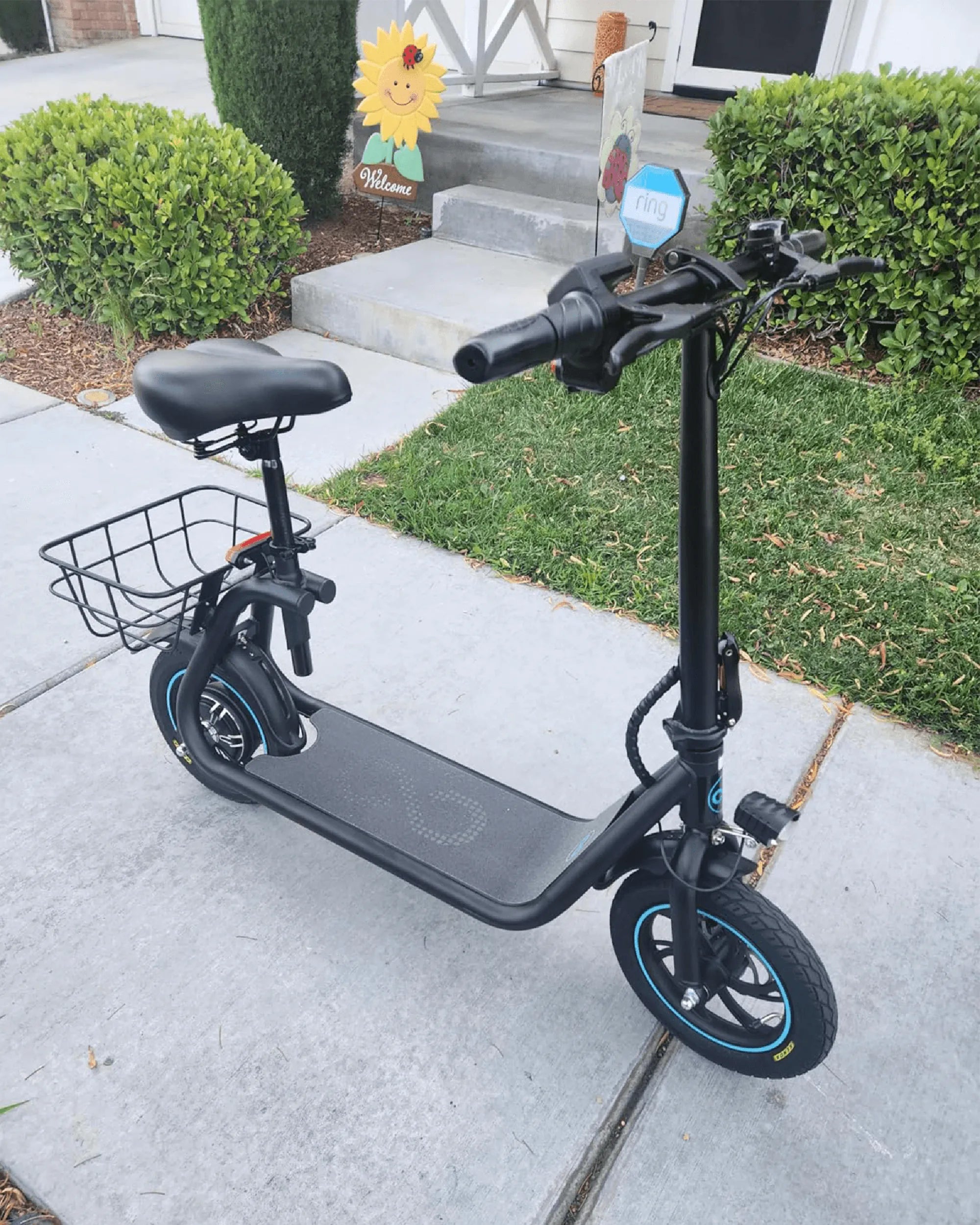
Riding an ebike on the sidewalk might seem like a convenient way to navigate busy streets, but it raises significant safety, legal, and ethical questions. As urban areas become more congested, the debate over where ebikes belong—on the road, bike lanes, or sidewalks—has intensified. This article examines the challenges and potential solutions for integrating ebikes into city landscapes without compromising pedestrian safety or rider convenience.
The Rise of Ebikes and Sidewalk Conflicts
Electric bikes, or ebikes, have surged in popularity as a sustainable and efficient mode of transportation. Their ability to assist riders with pedal power makes them accessible to a broader audience, including commuters, seniors, and those with limited mobility. However, their increasing presence on sidewalks has sparked controversy. Pedestrians often feel unsafe sharing narrow walkways with faster-moving ebikes, leading to conflicts and accidents.
Safety Concerns: Pedestrians vs. Ebike Riders
One of the primary issues with ebikes on sidewalks is safety. Sidewalks are designed for pedestrians, who typically move at slower speeds. Ebikes, especially those capable of reaching 20 mph or more, can startle or endanger pedestrians, particularly children, the elderly, and individuals with disabilities. Collisions, even at low speeds, can result in serious injuries. Additionally, riders may struggle to navigate crowded sidewalks, increasing the risk of accidents.
Legal Landscape: Where Are Ebikes Allowed?
The legality of riding an ebike on the sidewalk varies widely by location. Some cities explicitly prohibit it, while others allow it under certain conditions, such as reduced speed limits or designated zones. In many places, local ordinances classify ebikes similarly to traditional bicycles, meaning they are restricted from sidewalks unless specified otherwise. Riders must familiarize themselves with local laws to avoid fines or legal repercussions.
Urban Planning and Infrastructure Solutions
To address the growing tension between ebike riders and pedestrians, cities are exploring infrastructure improvements. Expanding bike lanes, creating shared pathways, and implementing speed limits for ebikes on sidewalks are some potential solutions. Urban planners are also considering dedicated ebike lanes or integrating ebike-sharing programs into public transit systems to reduce sidewalk congestion.
Educating Riders and Pedestrians
Education plays a crucial role in mitigating conflicts. Riders should be encouraged to use bike lanes or roads whenever possible and to slow down when sidewalks are the only option. Pedestrians, on the other hand, can benefit from awareness campaigns about sharing space with ebikes. Mutual respect and understanding are key to coexisting safely.
The Future of Ebikes in Urban Environments
As ebikes continue to grow in popularity, cities must adapt to accommodate them without sacrificing pedestrian safety. Innovative policies, infrastructure upgrades, and community engagement will be essential in shaping a future where ebikes and pedestrians can share urban spaces harmoniously.
The debate over ebikes on sidewalks is far from over, but one thing is clear: finding a balance between convenience and safety is critical. Whether you're a rider or a pedestrian, staying informed and advocating for better solutions can help create a more inclusive and safer urban environment for everyone.
Scooter 400 lb Capacity: The Ultimate Guide to Heavy-Duty Mobility
Scooter 400 lb Capacity: The Ultimate Guide to Heavy-Duty Mobility