



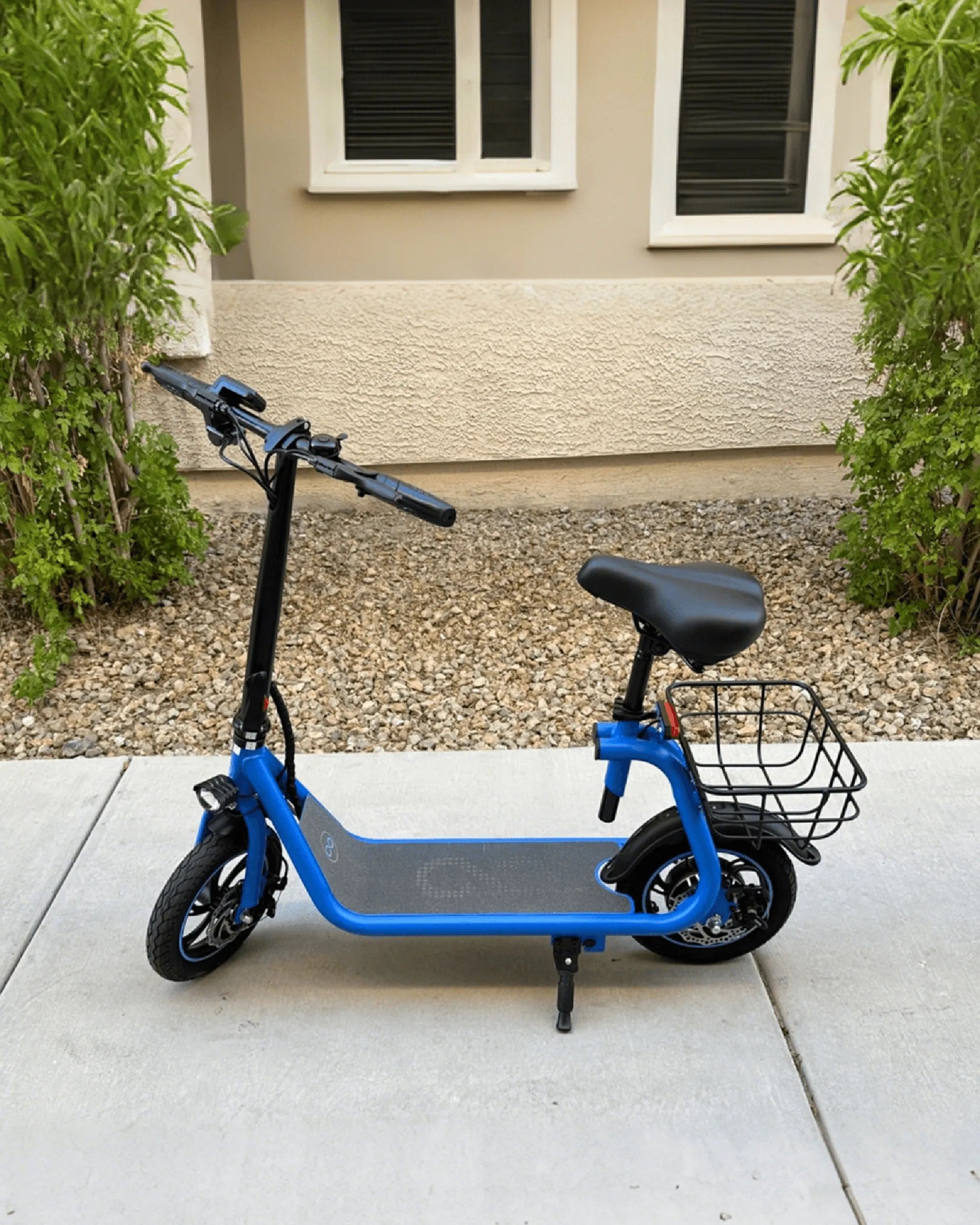
Introduction: Navigating the 2025 E-Bike Landscape
The electric bicycle market in 2025 is more diverse and technologically advanced than ever. For potential buyers, this abundance of choice makes authoritative, unbiased ebike ratings 2025 an essential tool. This guide cuts through the marketing noise with a factual, data-driven approach.
You will learn the core pillars of modern e-bike evaluation, from motor performance to battery safety certifications. We analyze top-rated models across crucial categories like urban commuting and off-road adventure. Our goal is to equip you with the knowledge to make a confident, long-term investment in your mobility.
The Gyroor Rating Framework: How We Evaluate E-Bikes in 2025
Modern ebike ratings 2025 must look beyond advertised top speed and maximum range. Our framework is built on three interconnected pillars that reflect real-world ownership: Performance, Safety & Build, and Overall Value. This holistic view separates genuinely excellent e-bikes from those that merely look good on paper.
Each pillar is weighted based on its impact on daily riding satisfaction and long-term reliability. We synthesize technical specifications, verified user experiences, and professional testing data. This creates a balanced score that highlights e-bikes excelling where it matters most.
Key Rating Pillars: Performance, Safety & Build, Value
Performance evaluates the riding experience. Key metrics include motor torque (for hill climbs), real-world range under varied conditions, and pedal-assist smoothness. A high-performance rating indicates consistent power delivery and battery efficiency that matches daily needs.
Safety & Build is arguably the most critical pillar. It assesses brake system effectiveness (hydraulic vs. mechanical), frame material and weld quality, and integrated lighting. Crucially, it mandates UL-certified battery packs and a minimum of IPX5 water resistance for component durability.
Value measures what you get for your investment beyond the initial price. This includes warranty length and comprehensiveness, the quality of customer support, and included accessories like racks or fenders. A high-value e-bike, like those from Gyroor, offers peace of mind with features like a reliable 1-year warranty.
Top-Rated E-Bike Categories for 2025
The concept of a single "best" e-bike is obsolete. The 2025 market is segmented by use case. Top ebike ratings 2025 therefore identify leaders within specific categories. Understanding these categories helps you align a bike's strengths with your primary riding goals, from daily errands to weekend trail exploration.
Category leaders excel in the performance metrics most relevant to their intended environment. A top-rated commuter prioritizes utility and reliability, while a top-rated adventure bike demands robust construction and suspension. We break down the defining features and rating benchmarks for each primary segment below.
Best Commuter E-Bike: The Urban Efficiency Champion
Top-rated commuter e-bikes for 2025 are designed for efficiency, comfort, and practicality in city environments. High ebike ratings 2025 in this category reward integrated features that reduce daily friction. This includes bright LED lights for visibility, full-coverage fenders for all-weather riding, and rear racks or cargo compatibility.
The geometry prioritizes an upright riding position for better awareness in traffic. Motor performance is tuned for quick acceleration from stops and efficient assistance at legal urban speeds (typically 20-28 mph). A UL-certified battery is non-negotiable for safe charging in apartments or offices.
Durability against daily wear is key. Expect high ratings for frames with corrosion-resistant finishes and components rated for all-weather use. Brands like Gyroor build commuter models with IPX5 water-resistant designs, ensuring reliability rain or shine.
Best Off-Road / Adventure E-Bike: Conquering Unpaved Paths
Adventure and off-road e-bike ratings for 2025 emphasize durability, traction, and control. These bikes are rated on their ability to handle rough terrain reliably. A high-torque mid-drive or robust hub motor is essential for steep, technical climbs where precise power delivery matters more than top speed.
Suspension system quality is a major rating factor. Front suspension (hardtail) is a minimum, with full-suspension designs earning higher marks for technical trail capability. Tire choice—typically wide, knobby tires—is critical for grip on loose or muddy surfaces.
The build must withstand significant vibration and impact. Ratings heavily favor frames constructed from high-grade aluminum or carbon fiber with reinforced stress points. IPX5 or higher water and dust resistance is standard for top-rated models, protecting electrical components during creek crossings or dusty rides.
Best Value E-Bike: Balancing Performance and Price
In 2025, "value" in ebike ratings 2025 is defined by longevity and support, not just a low sticker price. Top-rated value e-bikes deliver reliable core performance without cutting corners on essential safety features. They represent the smartest long-term investment for budget-conscious riders.
The hallmark of a high-value rating is a comprehensive warranty backed by accessible customer service. A 1-year comprehensive warranty, like that offered by Gyroor, signals manufacturer confidence. It protects against defects in the motor, battery, and frame, which are the most costly components.
These bikes feature quality battery packs with proven safety certifications, even if the total watt-hour capacity is moderate. The focus is on real-world, dependable range. The total cost of ownership remains low due to durable components and strong brand support, avoiding hidden maintenance costs.
Beyond the Spec Sheet: Critical Factors in 2025 Ratings
Manufacturer spec sheets tell only part of the story. The highest ebike ratings 2025 consider the often-overlooked elements that define ownership experience. These factors—warranty support, battery safety protocols, and company reputation—directly impact your satisfaction and safety over hundreds of rides.
Ignoring these aspects can turn a seemingly good deal into a frustrating and potentially risky purchase. We delve into why these intangible factors carry so much weight in modern evaluations and how you can verify them before buying.
The Warranty & Support Advantage
A strong warranty is a direct reflection of build quality and brand integrity. In our ratings, an e-bike with a transparent, long-term warranty receives a significant boost. It transforms the bike from a disposable product into a protected investment.
Look for warranties that specifically cover the battery, motor, and frame for at least one year. The best companies, trusted by over 100,000 riders like Gyroor, back their products with clear support channels. Responsive customer service for troubleshooting is as valuable as the warranty itself when you need assistance.
Battery Safety & Certification: A Non-Negotiable Rating Factor
For 2025, UL 2849 certification for the entire e-bike system, or at minimum UL 2271 for the battery pack, is a fundamental safety benchmark. Our ratings treat this certification as a prerequisite for a high score, not an optional extra. It is the single most important factor in battery safety.
UL certification involves rigorous testing for electrical, mechanical, and environmental safety. It drastically reduces the risk of thermal runaway and fire. This certification is increasingly important for insurance coverage and for storing or charging your e-bike indoors. Brands that invest in this testing demonstrate a commitment to rider safety.
2025 E-Bike Comparison: Commuter vs. Adventure vs. Value
This comparison table visualizes how the top priorities shift across the leading e-bike categories for 2025. Use it to quickly identify which category aligns with your primary needs and understand the trade-offs involved in each choice.
| Rating Category | Top Commuter E-Bike | Top Adventure E-Bike | Top Value E-Bike |
|---|---|---|---|
| Primary Use Case | Urban streets, paved paths, daily errands | Trails, gravel, rough terrain, touring | Versatile daily use, budget-conscious riding |
| Key Performance Focus | Efficient assist, quick acceleration, comfortable speed | High torque, robust suspension, traction control | Reliable, consistent assist, adequate range |
| Critical Safety Feature | Integrated lights, UL-certified battery, reliable brakes | IPX5+ water resistance, reinforced frame, hydraulic brakes | UL-certified battery, durable mechanical components |
| Build Priority | Utility (fenders, rack mounts), lightweight for portability | Durability against impacts, all-weather sealing | Overall durability, cost-effective quality materials |
| Value Determinant | Included accessories, low maintenance design | Component quality (suspension, drivetrain), longevity | Strong warranty, low total cost of ownership |
Making Your Decision: How to Use 2025 Ratings Wisely
Armed with detailed ebike ratings 2025, the final step is personalization. Ratings guide you to the best-in-class options, but you must match them to your unique lifestyle, local terrain, and storage logistics. This process ensures the e-bike you choose becomes a seamless part of your routine, not a source of compromise.
Start by honestly assessing your most common use cases. Then, apply the rating criteria that matter most to those scenarios. This focused approach prevents you from overpaying for unnecessary capability or underbuying and facing limitations.
Matching Your Ride to Your Lifestyle
Conduct a simple self-assessment. What is your typical daily or weekly distance? Commuters under 10 miles have different battery needs than weekend explorers. What is your primary terrain? Flat city streets demand less motor torque than hilly suburbs or trails.
Consider storage and portability. Do you need to carry the bike upstairs or fit it on public transit? A lighter commuter or folding model may rate higher for you. Finally, check local regulations regarding motor power (watts) and maximum assisted speed, as these vary by region and will filter your options.
The Final Checklist Before You Buy
Before completing any purchase in 2025, run through this definitive checklist derived from our rating criteria. It consolidates the critical insights from this guide into actionable verification steps.
- Verify Safety Certs: Confirm UL certification for the battery or entire e-bike system.
- Check Weatherproofing: Ensure a minimum IPX5 water resistance rating for all-weather capability.
- Understand the Warranty: Read the warranty details for coverage length, included components, and claim process.
- Review Real-World Range: Look for independent reviews that test range, not just manufacturer claims.
- Assess Support Channels: Test the responsiveness of customer service with a pre-sales question.
Frequently Asked Questions (FAQ)
Q1: Why are ebike ratings 2025 so focused on UL certification?
A1: UL certification has become the industry gold standard for electrical and fire safety. It involves rigorous third-party testing of the battery and electrical system. In 2025, it's a critical indicator of a responsible manufacturer and is essential for safe indoor charging and insurance compliance.
Q2: How much should I realistically expect to spend on a top-rated e-bike?
A2: For a high-quality, well-rated e-bike from a reputable brand, expect an investment between $1,500 and $3,000. This range typically covers models with reliable motors, UL-certified batteries, durable frames, and good warranty support. Prices vary based on category, with high-performance adventure models at the upper end.
Q3: Is a mid-drive motor always better than a hub motor?
A3: Not always; it depends on use. Mid-drive motors excel in off-road and hilly terrain by leveraging the bike's gears for efficient torque. Hub motors (especially rear) are often simpler, more affordable, and provide ample power for flat to moderately hilly urban commuting. Both can be excellent in their respective top-rated categories.
Q4: What does IPX5 water resistance mean for my e-bike?
A4: An IPX5 rating means the electrical components can withstand water jets from a nozzle from any direction. In practice, this makes the e-bike resistant to heavy rain, puddle splashes, and routine washing. It's a key rating factor for commuter and adventure bikes, ensuring reliability in wet conditions.
Q5: How important is the brand's customer service history?
A5> Extremely important. A great warranty is only as good as the service behind it. Brands with a proven track record of responsive support, like Gyroor with its established customer base, provide long-term peace of mind. Check independent reviews and forums to gauge real-world support experiences before buying.
Conclusion: Investing in a Rated-for-2025 E-Bike
Navigating the 2025 e-bike market requires a focus on verified safety, proven durability, and real-world performance. The most insightful ebike ratings 2025 empower you to look past flashy marketing and identify models built to last. Prioritizing UL-certified batteries, robust IP-rated construction, and strong warranty support is the formula for a satisfying, long-term investment.
The right e-bike enhances your daily life, offering freedom, efficiency, and joy. By applying the data-driven framework from this guide, you can choose with confidence. For a curated selection of e-bikes that embody these 2025 rating priorities—featuring UL-certified batteries, IPX5 water-resistant designs, and a reliable 1-year warranty—explore a trusted brand committed to quality and rider safety.
Ready to find your perfect ride? Browse the full Gyroor collection at gyroorboard.com.
e bike 15 mph: The Intelligent Speed for Urban & Recreational Riding
Can I Ride an E-Bike on the Road? The Complete Legal & Safety Guide