



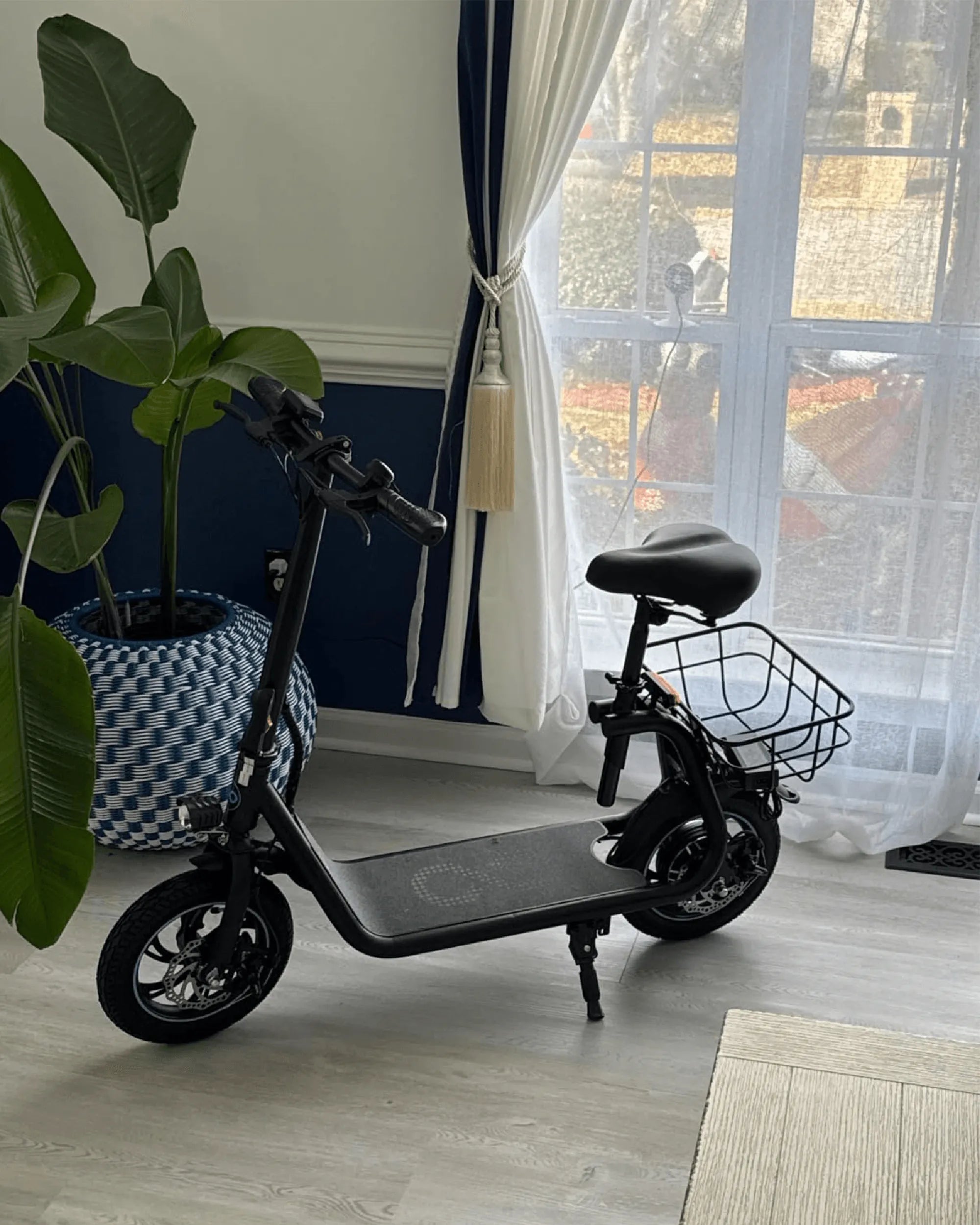
Introduction to Essential E-Bike Tools
Owning an electric bike transforms your commute and adventures, but it also introduces a new layer of maintenance responsibility. The right ebike tools are not just accessories; they are fundamental to your safety, the bike's long-term performance, and your wallet. Unlike a standard bicycle, an e-bike combines mechanical systems with electrical components, each requiring specific care.
Proper maintenance with correct tools prevents minor issues from becoming major failures. It ensures critical connections, like the motor mount and handlebar stem, are secure to the manufacturer's specifications. This guide will walk you through every tool you need, from a simple multi-tool to a precision torque wrench.
Gyroor's design philosophy for its e-bikes and electric scooters prioritizes reliability and user-friendly features, such as UL-certified batteries and IPX5 water resistance. However, even the most robust design benefits from an owner equipped with knowledge and the right ebike tools for basic upkeep and emergency repairs.
The E-Bike Toolbox: Must-Have Basics for Every Rider
Every e-bike owner, regardless of model or riding style, should start with a core set of fundamental tools. This starter kit addresses the most common adjustments and repairs, blending traditional bicycle tools with e-bike-specific considerations.
This collection focuses on versatility and portability. The goal is to handle routine checks, tighten loose bolts, and fix a flat tire. Investing in quality basics from the start pays dividends in reliability and avoids stripping fasteners or damaging components.
These tools form the foundation of your maintenance capability. They empower you to perform pre-ride safety checks, adjust your fit for comfort, and solve the majority of roadside issues without a call for help or a trip to the shop.
The Indispensable Multi-Tool
A high-quality bike multi-tool is the cornerstone of any toolkit. For e-bikes, look for one that includes a comprehensive range of Allen (hex) keys (2mm to 8mm), Torx bits (T10 to T30), Phillips and flathead screwdrivers, and a chain tool. The integration of a chain tool is critical for dealing with a broken chain on a powerful e-bike drivetrain.
Compact, foldable designs are ideal for carrying on rides. Ensure the tool has a sturdy, comfortable grip to apply sufficient torque. A multi-tool allows you to adjust brake levers, tighten rack mounts, secure fenders, and perform dozens of other minor tasks that keep your ride smooth and safe.
Tire and Tube Maintenance Essentials
E-bikes place greater stress on tires due to higher speeds and weight. Maintaining correct tire pressure is crucial for range, safety, and puncture resistance. Your tire kit must include robust plastic or steel tire levers, a patch kit with sandpaper and quality glue or glueless patches, and a spare inner tube with the correct valve type (Presta or Schrader).
A reliable pump is non-negotiable. A portable mini-pump or CO2 inflator is for roadside emergencies, while a stable floor pump with an accurate gauge is for home use. Check pressure before every ride; even a 10 PSI drop can significantly impact battery efficiency and handling.
Torque Wrench: The Precision Protector
This is the most critical tool difference between maintaining a standard bike and an e-bike. A torque wrench applies a specific, measured amount of force to a fastener. E-bikes have many aluminum and carbon fiber parts, along with sensitive electrical connections, that can be easily damaged by over-tightening.
Using a torque wrench on the stem, handlebars, seat post, brake calipers, and especially the motor mount bolts is essential. It prevents frame cracks, preserves component integrity, and ensures safety. A small, click-type torque wrench with a range of 2-20 Nm will cover most critical applications on your e-bike.
Specialized Tools for E-Bike Specific Systems
Beyond the basics, e-bikes have unique systems that occasionally require specific attention. These specialized ebike tools address the electrical heart and the reinforced drivetrain and braking systems that handle the motor's extra power.
While you may use these tools less frequently, having them on hand for diagnostics and periodic maintenance can save significant time and money. They allow you to verify system health and perform precise adjustments that keep your e-bike performing like new.
Gyroor's use of UL-certified battery packs and IPX5-rated water-resistant designs provides a strong safety margin, but basic electrical care tools are still wise for any e-bike owner to understand and possess.
Battery and Electrical Care Tools
Electrical maintenance is about ensuring clean, solid connections. A can of electrical contact cleaner and a small brush allow you to safely clean battery terminals and connector ports, removing dirt and oxidation that can cause voltage drops or intermittent operation.
Dielectric grease is used sparingly on connectors after cleaning to prevent future corrosion. A digital multimeter is invaluable for diagnostics; you can check battery pack voltage, controller output, and continuity in wiring. Always disconnect the battery before performing any electrical work.
Drive Train and Brake Specific Tools
The motor amplifies force on the chain and rear cassette. A robust chain whip and the correct cassette lockring tool are necessary to remove the cassette for cleaning, inspection, or replacement. E-bikes wear through drivetrains faster, so this maintenance is more common.
For brakes, disc brake pad spreaders or piston press tools are essential for retracting pistons when installing new pads. Disc brake alignment tools help eliminate rubbing on powerful e-bike braking systems. A set of hex keys or Torx drivers specific to your brake calipers is also a must.
Building Your Toolkit: A Tiered Approach
Building a complete toolkit can feel overwhelming. A practical, tiered approach allows you to invest logically over time, based on your comfort level and maintenance goals. Start with what you need to stay safe on the road, then build towards a comprehensive home workshop.
This method is cost-effective and ensures you always have the right tools for the job at hand. It aligns your purchases with your growing skills as an e-bike maintainer, preventing you from buying advanced tools you may never use.
Tier 1: The On-The-Road Emergency Kit
This is the minimum you should carry on every ride. Pack it in a small saddlebag or frame bag. It includes: a compact multi-tool, 2-3 tire levers, a glueless patch kit or spare tube, a mini-pump or CO2 inflator, a quick-link for your chain size, and a small pair of pliers. This kit solves 95% of common roadside failures.
Tier 2: The Home Maintenance Station
This expands your capability for regular upkeep in your garage or workspace. Add to your Tier 1 kit: a click-type torque wrench, a quality floor pump with gauge, a chain wear checker, a set of cable cutters, a work stand, and general cleaning supplies (brushes, degreaser, lubricant). This station lets you perform all recommended weekly and monthly maintenance.
Tier 3: The Advanced Enthusiast's Arsenal
For those who wish to handle full overhauls, this tier includes specialized tools like a headset press, bearing removal/installation sets, a crank puller, a bleed kit for hydraulic brakes, and a more advanced digital multimeter. For most riders, major frame or motor-related work is best left to professionals under Gyroor's 1-year warranty, but these tools offer ultimate self-sufficiency.
Data-Driven Benefits: How the Right Tools Save Time and Money
Investing in a toolkit is a financially sound decision for any frequent rider. Consider the cost of a single professional tune-up, which can range significantly, versus the one-time purchase of a core set of ebike tools. Over the lifespan of your e-bike, the savings from performing basic maintenance yourself are substantial.
Beyond direct cost, proper tool use prevents expensive damage. Overtightening a carbon fiber seatpost clamp can cause a crack requiring a full frame replacement. Incorrect brake pad installation leads to premature wear and unsafe performance. A torque wrench alone can prevent hundreds of dollars in repairs.
There's also a performance benefit. A well-maintained e-bike with a clean drivetrain, properly inflated tires, and calibrated brakes delivers maximum range, smoother power delivery, and safer stopping. Your tools are the key to unlocking the consistent, reliable performance engineered into your bike.
Tool Comparison: Multi-Tool vs. Full Toolkit
The following table compares the capability and use-case of a portable multi-tool versus a dedicated home toolkit, helping you understand what each solution offers.
| Feature | Portable Multi-Tool | Dedicated Home Toolkit |
|---|---|---|
| Primary Use | On-the-road adjustments & emergency repairs | Comprehensive at-home maintenance & overhauls |
| Torque Control | Limited (by feel) | Precise (via torque wrench) |
| Tire Repair | Basic (levers, patches, mini-pump) | Advanced (floor pump, bead seating, tubeless) |
| Drivetrain Work | Chain break only | Full chain/cassette removal & cleaning |
| Electrical Diagnostics | None | Possible (multimeter, contact cleaner) |
| Cost | Low | Moderate to High (one-time investment) |
| Best For | Every rider to carry | Riders who perform their own regular maintenance |
E-Bike Tool FAQ
Q: Can I use regular bicycle tools on my e-bike?
A: Yes, for most mechanical components (chain, brakes, gears). The crucial exception is the need for a torque wrench for critical bolts (motor, stem, seatpost) to avoid damage. Electrical components may require specific care.
Q: What's the one e-bike tool I shouldn't skip?
A> A torque wrench is non-negotiable. It is the single most important tool for protecting your investment and ensuring the safety of high-stress components unique to e-bikes.
Q: Does performing my own maintenance void my Gyroor warranty?
A> No. Performing routine maintenance like cleaning, lubrication, tire changes, and bolt tightening with proper tools does not void the warranty. However, disassembling the motor, battery, or controller or causing damage through incorrect repair may void coverage for affected parts. The 1-year warranty covers manufacturing defects.
Q: How often should I check torque on critical bolts?
A> Check torque values after the first 50 miles (80 km) of riding, then every 100-200 miles or after any significant impact. Always refer to your owner's manual for specific values and intervals.
Q: Are there specific tools for Gyroor e-bike batteries?
A> Gyroor batteries are designed for user-friendly removal and charging. Typically, no special tools are needed for standard removal. For terminal cleaning, use standard electrical contact cleaner and a soft brush. Never attempt to open the sealed battery case.
Conclusion: Empowering Your Ride with Knowledge and Tools
Your e-bike is a sophisticated machine that offers freedom and fun. Equipping yourself with the right ebike tools transforms you from a passive rider into an empowered owner. You gain the ability to ensure peak safety, optimize performance for longer range, and understand the machine you depend on.
This knowledge, combined with Gyroor's foundation of reliable engineering—UL-certified batteries, IPX5 water-resistant designs, and a robust warranty—creates a seamless ownership experience. You can tackle minor issues with confidence and know when to call in professional support for major systems.
Start building your toolkit today. Begin with the Tier 1 emergency essentials and a torque wrench, then expand as your skills grow. The investment pays for itself in saved shop visits and provides the profound satisfaction of maintaining your own vehicle.
Ready to pair your new toolkit with a reliable, well-engineered e-bike? Browse the full Gyroor collection of electric scooters and e-bikes, trusted by over 100,000 riders, at gyroorboard.com.
Bike Stand for Heavy E-Bike: The Ultimate Guide to Safe Storage & Maintenance
Best Commuter Bike Under 300: A Data-Driven Guide to Value & Reliability