


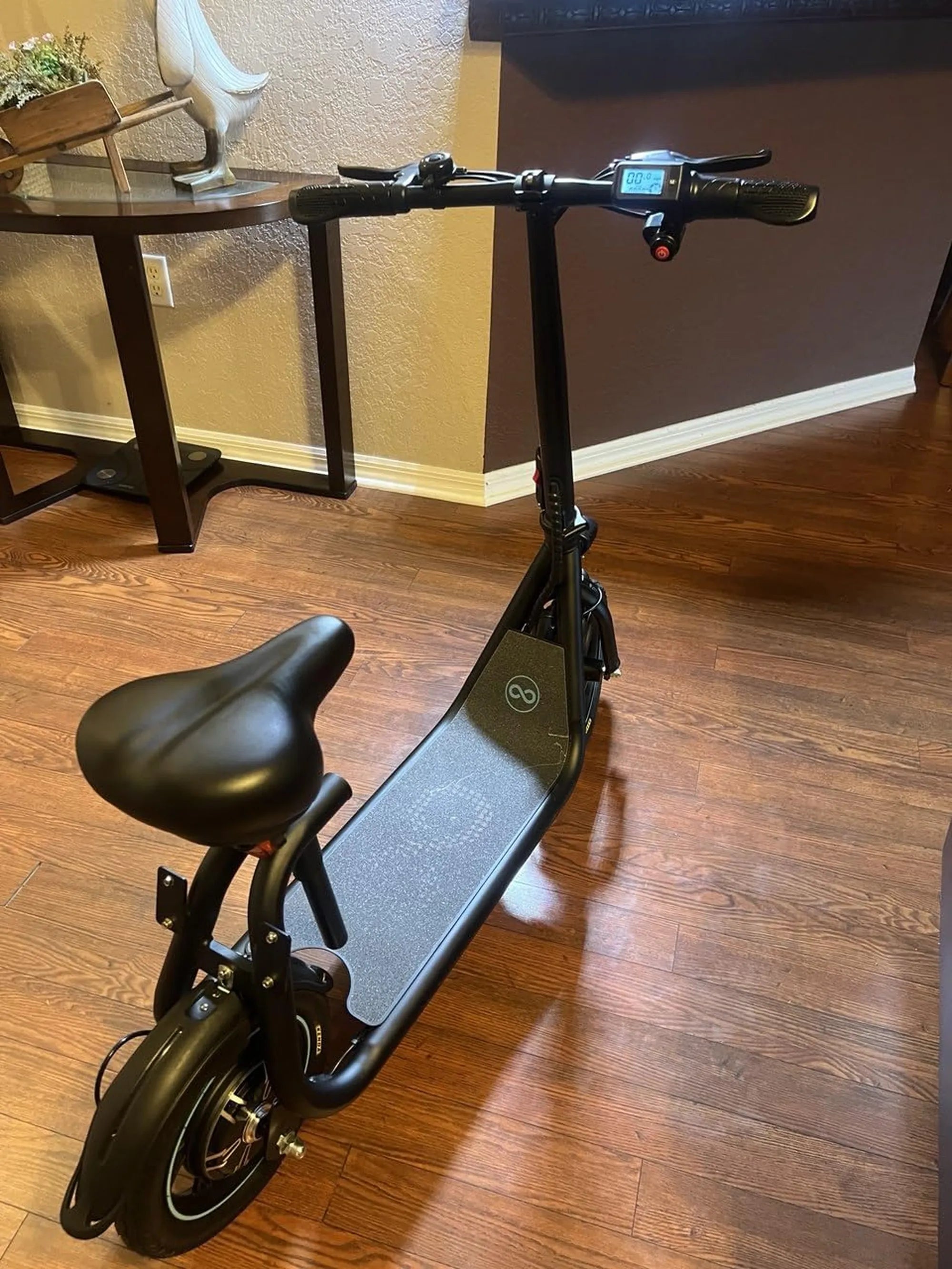
Riding an ebike is an exhilarating experience, but safety should always come first. One often overlooked yet critical feature for ebike riders is the turn signal. Ebike turn signals are not just a fancy add-on—they can be a lifesaver. Whether you're navigating busy city streets or winding country roads, these small but mighty devices ensure you're seen and understood by other road users. Let's dive into why ebike turn signals matter and how they can transform your riding experience.
Why Ebike Turn Signals Are Essential
Ebike turn signals play a vital role in communicating your intentions to drivers, pedestrians, and other cyclists. Unlike cars, which come equipped with built-in turn signals, ebikes often lack this feature, leaving riders to rely on hand signals. While hand signals are effective, they can be easily missed, especially in low-light conditions or heavy traffic. Turn signals provide a clear, consistent, and unmistakable way to indicate your next move.
Types of Ebike Turn Signals
There are several types of ebike turn signals to choose from, each with its own advantages:
- Handlebar-mounted signals: These are attached to the handlebars and are easy to operate while riding.
- Helmet-mounted signals: These are integrated into your helmet, ensuring visibility from all angles.
- Rear-mounted signals: These are installed on the rear of the bike, similar to car turn signals.
- Wireless signals: These use Bluetooth or other wireless technology to sync with your bike or smartphone.
Benefits of Using Ebike Turn Signals
Ebike turn signals offer numerous benefits, including:
- Improved safety: They reduce the risk of accidents by making your intentions clear.
- Enhanced visibility: Bright, flashing lights ensure you're seen day or night.
- Convenience: No need to take your hands off the handlebars to signal.
- Legal compliance: In some regions, turn signals are required for ebikes.
How to Choose the Right Ebike Turn Signals
Selecting the right turn signals for your ebike depends on several factors:
- Brightness: Look for signals with high lumens for maximum visibility.
- Battery life: Opt for models with long-lasting batteries or rechargeable options.
- Ease of installation: Choose signals that are easy to install and compatible with your bike.
- Weather resistance: Ensure the signals are waterproof and durable.
Installation Tips for Ebike Turn Signals
Installing ebike turn signals is usually straightforward, but here are some tips to ensure a smooth process:
- Read the manual: Always follow the manufacturer's instructions.
- Test before riding: Make sure the signals work properly before hitting the road.
- Secure wiring: If your signals are wired, ensure the cables are neatly tucked away to avoid snags.
- Check local laws: Some areas have specific requirements for bike turn signals.
The Future of Ebike Turn Signals
As ebike technology continues to evolve, so do turn signals. Future innovations may include:
- Smart signals: Integration with GPS or collision avoidance systems.
- Solar-powered options: Eco-friendly signals that charge while you ride.
- Augmented reality displays: Projected signals visible to other road users.
Ebike turn signals are more than just a convenience—they're a game-changer for rider safety. By investing in a reliable set, you're not only protecting yourself but also contributing to safer roads for everyone. Ready to take your ebike safety to the next level? It's time to signal your way to a smoother, safer ride.
Toddler E Bike: The Ultimate Guide to Safe and Fun Rides for Little Ones
What Size Dirt Bike Do I Need – A Complete Guide for Riders