



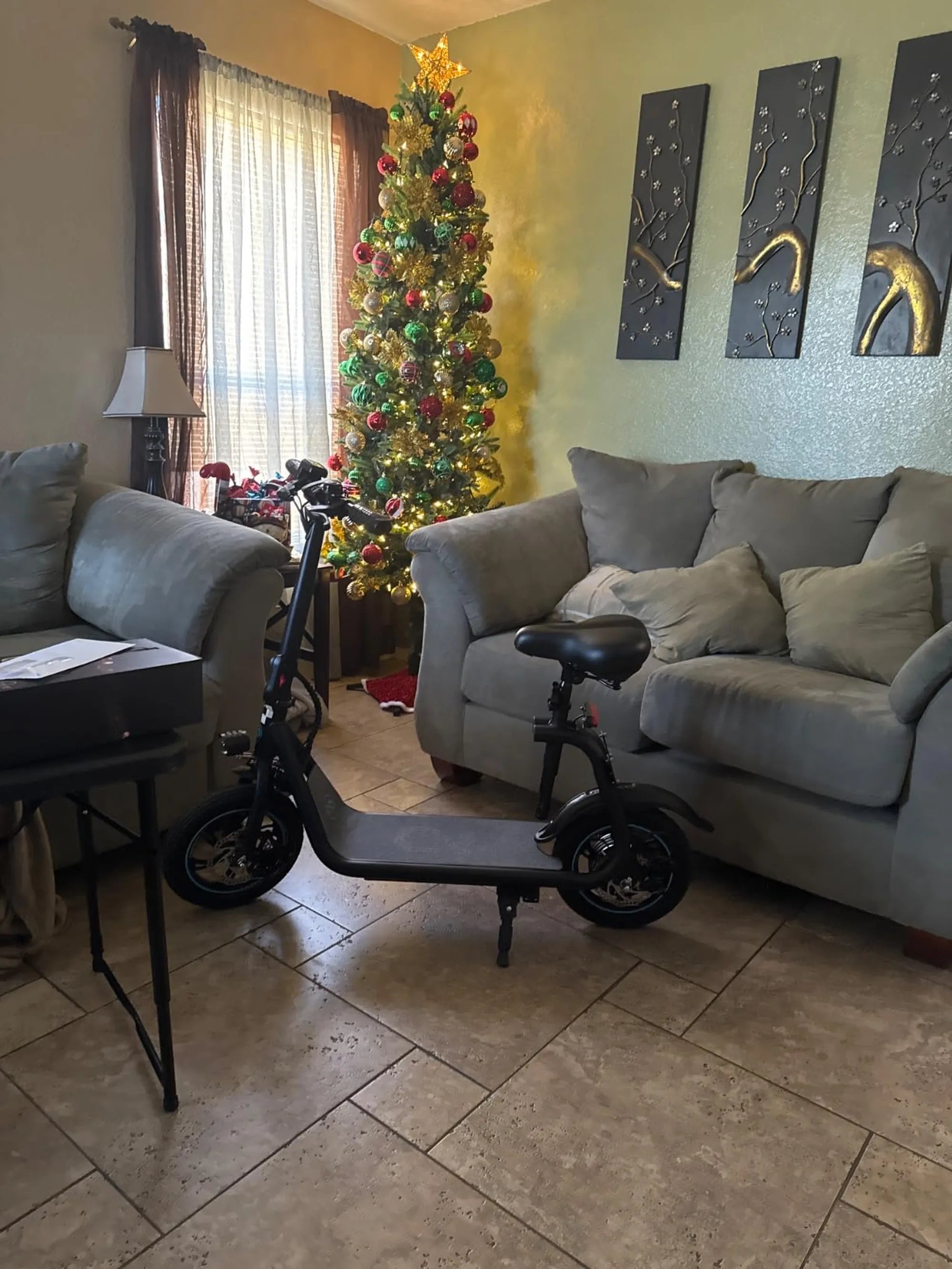
Choosing between an electric bicycle and an electric scooter can be a tough decision, especially with the growing popularity of both options. Whether you're looking for a fun way to explore your city or a reliable daily commuter, understanding the differences between these two electric vehicles is crucial. Let's dive into the details to help you pick the best option for your needs.
Speed and Performance
When it comes to speed, electric scooters generally have an edge over electric bicycles. Most electric scooters can reach speeds of 15-25 mph, while electric bicycles typically max out at around 20 mph, depending on local regulations. However, electric bicycles often provide better acceleration due to their pedal-assist feature, which can be useful in stop-and-go traffic.
Range and Battery Life
Electric bicycles usually offer a longer range than electric scooters, thanks to their larger battery capacity. On average, an electric bicycle can travel 30-60 miles on a single charge, while an electric scooter may only cover 15-30 miles. If you plan on longer rides or commuting without frequent charging stops, an electric bicycle might be the better choice.
Comfort and Ergonomics
Electric bicycles provide a more comfortable riding experience, especially for longer distances. With a full seat and adjustable handlebars, they mimic the ergonomics of traditional bicycles. Electric scooters, on the other hand, require standing for the duration of the ride, which can be tiring over extended periods.
Portability and Storage
Electric scooters win in terms of portability. They are lighter and more compact, making them easier to carry or store in small spaces like apartments or offices. Electric bicycles, while bulkier, often come with foldable designs, but they still require more space than scooters.
Safety Considerations
Both electric bicycles and scooters come with safety risks, but electric bicycles may offer more stability due to their larger wheels and lower center of gravity. Scooters, with their smaller wheels, are more prone to losing balance on uneven surfaces. Always wear a helmet and follow traffic laws regardless of your choice.
Cost and Maintenance
Electric bicycles tend to be more expensive upfront but may require less maintenance over time. Scooters are generally cheaper but may need more frequent repairs, especially if used daily. Consider your budget and long-term costs before making a decision.
Environmental Impact
Both options are eco-friendly compared to traditional gas-powered vehicles, but electric bicycles have a slight edge due to their longer lifespan and recyclable components. If sustainability is a priority, an electric bicycle might be the greener choice.
Legal Regulations
Laws governing electric bicycles and scooters vary by location. Electric bicycles are often classified similarly to traditional bikes, while scooters may face stricter regulations, such as speed limits or restricted areas. Check your local laws before purchasing either option.
Versatility and Terrain
Electric bicycles handle rough terrain better than scooters, making them ideal for mixed-use paths or off-road trails. Scooters are best suited for smooth, paved surfaces. Think about where you'll ride most often to determine which vehicle suits your needs.
Whether you opt for an electric bicycle or an electric scooter, both offer a convenient and eco-friendly way to get around. Consider your daily commute, budget, and riding preferences to make the best choice. Ready to hit the road? Your perfect electric ride awaits!
Lite Compact Electric Scooters: The Ultimate Urban Commuting Solution
Lite Compact Electric Scooters: The Ultimate Urban Commuting Solution