

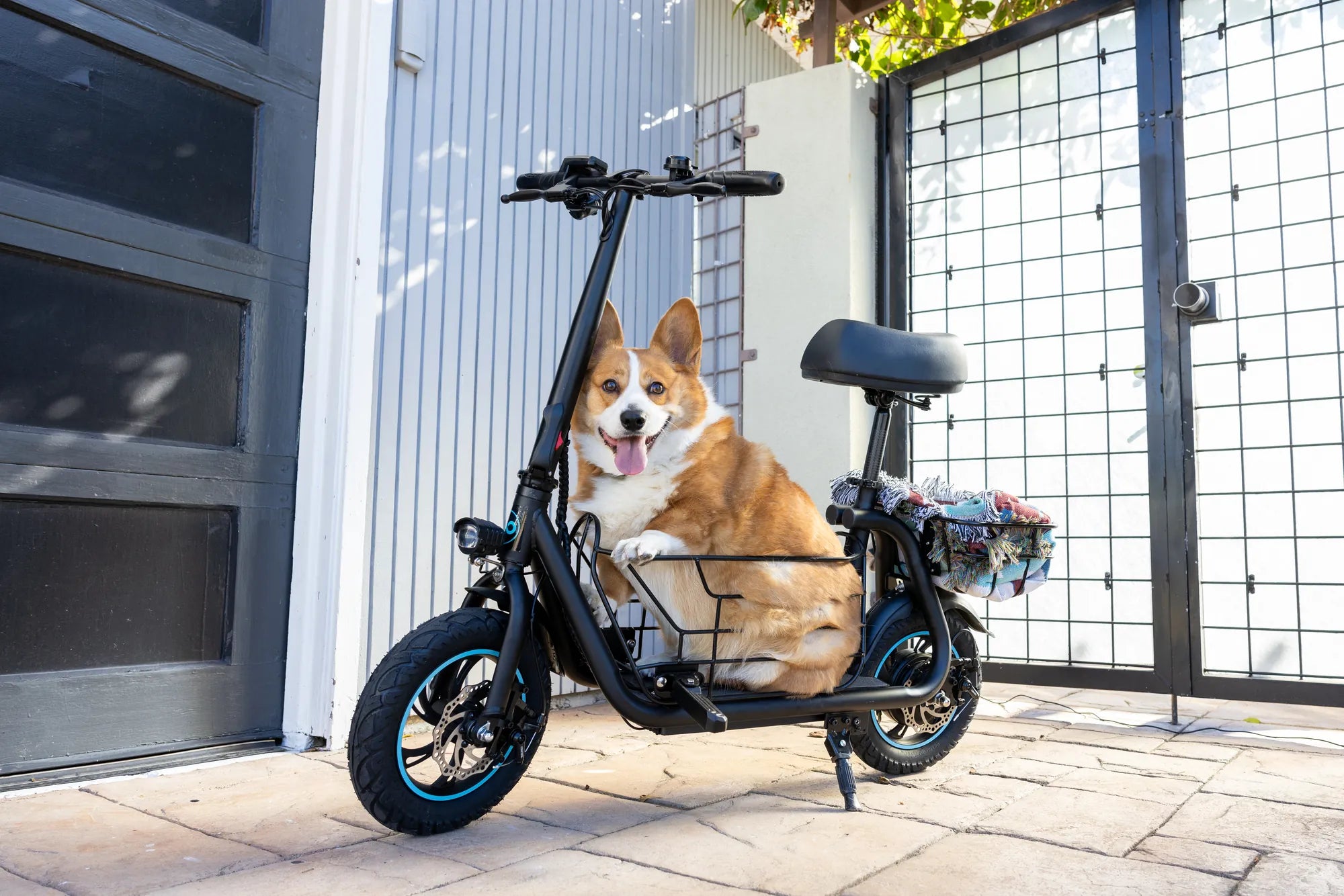
Electric bikes have surged in popularity as a sustainable and efficient mode of transportation. Whether you're commuting to work, running errands, or simply enjoying a leisurely ride, e-bikes offer a unique blend of convenience and eco-friendliness. But like any technology, they come with their own set of advantages and disadvantages. Let's dive into the details to help you decide if an electric bike is the right fit for your lifestyle.
Advantages of Electric Bikes
1. Eco-Friendly Transportation
One of the biggest selling points of electric bikes is their environmental benefits. Unlike cars, e-bikes produce zero emissions, making them a cleaner alternative for short-distance travel. By reducing reliance on fossil fuels, they contribute to lower air pollution and a smaller carbon footprint.
2. Cost-Effective Commuting
Electric bikes are significantly cheaper to operate than cars or motorcycles. With lower maintenance costs, no fuel expenses, and minimal parking fees, they can save you hundreds—or even thousands—of dollars annually. Even the initial purchase price is often more affordable than a car.
3. Health Benefits
While e-bikes provide pedal assistance, they still encourage physical activity. Riders can choose how much effort to exert, making them ideal for those who want to stay active without overexerting themselves. Regular cycling can improve cardiovascular health, muscle tone, and mental well-being.
4. Convenience and Flexibility
E-bikes eliminate the hassle of traffic jams and parking struggles. They can navigate crowded urban areas with ease and often have access to bike lanes or paths. Many models also feature removable batteries, allowing for easy charging at home or the office.
5. Accessibility for All Ages
Electric bikes level the playing field for riders of varying fitness levels. Older adults or those with mobility issues can enjoy cycling without the strain of traditional biking. This inclusivity makes e-bikes a great option for families and diverse age groups.
Disadvantages of Electric Bikes
1. Higher Initial Cost
While e-bikes save money in the long run, their upfront cost is higher than traditional bicycles. Quality models can range from moderately priced to quite expensive, which may be a barrier for some buyers.
2. Limited Range
Depending on the battery capacity, most e-bikes offer a range of 20-50 miles per charge. This can be restrictive for long-distance commuters or those without easy access to charging stations.
3. Heavier Weight
Electric bikes are heavier than regular bikes due to the motor and battery. This can make them harder to maneuver, especially when riding without power or carrying the bike upstairs.
4. Maintenance and Repairs
E-bikes require specialized maintenance, particularly for the electrical components. Finding a qualified technician can be challenging, and repairs may be more expensive than those for traditional bikes.
5. Regulatory Restrictions
Laws governing e-bikes vary by region. Some areas impose speed limits, require licenses, or restrict where e-bikes can be ridden. It's essential to research local regulations before purchasing.
Who Should Consider an Electric Bike?
Electric bikes are ideal for urban commuters, eco-conscious individuals, and those seeking a low-impact exercise option. They’re also great for people who want to reduce transportation costs without sacrificing convenience. However, if you frequently travel long distances or prefer a lightweight bike, a traditional model might be a better fit.
Ready to revolutionize your commute or weekend adventures? Electric bikes offer a compelling mix of benefits, from saving money to protecting the planet. While they aren’t perfect for every situation, their growing popularity proves they’re more than just a passing trend. Whether you’re a seasoned cyclist or a beginner, an e-bike could be the game-changer you’ve been looking for.
Top Electrical Scooters: The Ultimate Guide to Choosing the Best Ride
Adult Electric Scooter Large Size: The Ultimate Guide to Power and Comfort