

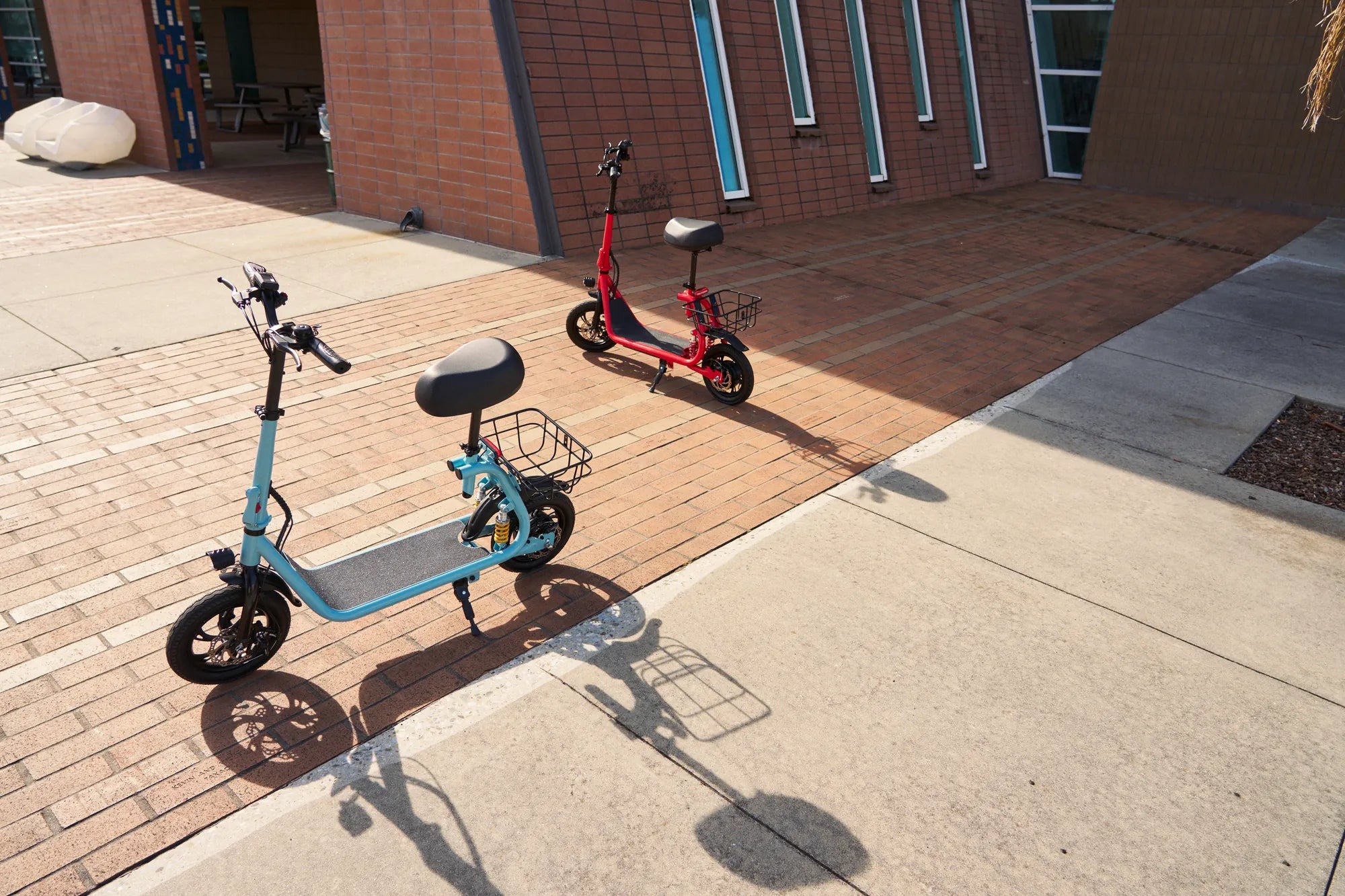
Your electric bike is a fantastic platform, but its true potential is unlocked with the right accessories. This guide provides a data-driven roadmap to transforming your standard e-bike into a personalized, high-utility machine perfectly suited to your lifestyle. We will explore critical safety upgrades, comfort-enhancing modifications, practical storage solutions, and performance extensions, helping you build a ride that is safer, more comfortable, and infinitely more useful.
Introduction to Electric Bike Attachments
Electric bike attachments are specialized accessories designed to augment the core functionality, safety, and enjoyment of your e-bike. They range from simple mechanical additions like racks to complex electrical integrations like secondary batteries. The core purpose is customization: tailoring your vehicle to specific needs, whether that's a safer night commute, carrying weekly groceries, or embarking on longer weekend adventures.
The e-bike market's rapid growth has spurred an equally vibrant aftermarket for attachments. For urban commuters and enthusiasts, these upgrades address real-world challenges like limited storage, poor visibility, and rider fatigue. Leading brands in personal electric mobility, such as Gyroor, design their core vehicles with this ecosystem in mind, understanding that a great ride is often defined by the quality of its additions.
Investing in the right attachments is not merely about adding gadgets; it's about system integration. A well-chosen accessory should complement your e-bike's design, electrical system, and intended use. This guide will help you navigate those choices strategically, prioritizing safety and foundational comfort before moving to advanced utility features.
Essential Attachments for Safety and Visibility
Safety is the non-negotiable foundation of any e-bike enhancement. Urban environments present unique hazards, and being conspicuously visible and audibly present is your first line of defense. These attachments are not optional for the serious commuter; they are critical insurance.
High-Powered Lighting Systems
Standard e-bike lights often meet minimum legal requirements but fall short for actual safety. Upgraded lighting systems serve two functions: to see and to be seen. A high-lumen front light (500+ lumens) illuminates road hazards, while a bright, attention-grabbing rear light ensures you are visible from behind.
Advanced options include brake-activated rear lights, which flash brighter upon deceleration, and turn signal systems integrated into handlebar controls or rear light clusters. For electrical compatibility, look for lights that connect directly to your e-bike's battery system via dedicated ports or use high-capacity, rechargeable standalone batteries to avoid drain on your primary drive system.
Audible Alert Systems (Horns & Bells)
In noisy city traffic, a traditional bell can be insufficient. Electronic horns provide a louder, more authoritative sound that cuts through ambient noise to alert pedestrians and motorists. Many models offer multiple sound profiles, from a polite chirp to a more urgent horn.
When selecting an audible alert, consider both volume (measured in decibels) and tone. A 100+ dB electronic horn is significantly more effective at a distance than an 80 dB bell. Ensure the attachment method is secure and the controls are easily accessible without removing your hands from the grips, maintaining full riding control.
Attachments for Enhanced Comfort and Convenience
Comfort directly correlates with ride frequency and distance. Discomfort is a major barrier to using an e-bike for daily commuting. These upgrades target the contact points between rider and bike, as well as the integration of essential technology.
Ergonomic Seats and Suspension Seatposts
The stock saddle on many e-bikes is designed for a generic fit. An ergonomic seat, chosen for your sit-bone width and riding posture, can eliminate numbness and pain on longer rides. Look for models with strategic cut-outs and high-quality padding.
Pairing a good seat with a suspension seatpost transforms the ride quality on imperfect urban pavement. A quality seatpost with 30-50mm of travel absorbs shocks from cracks and potholes before they reach your spine. This combination reduces fatigue dramatically, making a 10-mile commute feel as manageable as a 5-mile one.
Smartphone Mounts and Navigation Aids
A secure, vibration-dampening smartphone mount is a gateway to navigation, music, ride tracking, and communication. The key specifications are security (a multi-point grip or rubberized cradle), vibration reduction (to protect your phone's camera), and weather resistance.
For dedicated navigation, consider a bike-specific GPS computer. These devices offer longer battery life, better sunlight visibility, and ruggedness compared to smartphones. They also often integrate with ANT+ or Bluetooth sensors for tracking performance metrics. Whether using a phone or a dedicated device, keeping it powered is crucial; a simple USB port attachment connected to your e-bike's battery can be invaluable.
Cargo and Storage Solutions for the Urban Commuter
Transforming your e-bike from a simple transporter to a practical cargo vehicle is one of the most impactful upgrades. The right storage solution liberates you from the car for errands, work commutes with laptops, or weekend shopping.
Front Baskets, Rear Racks, and Pannier Bags
Front baskets offer quick, easy access to items and keep weight in your field of vision, which can aid handling with lighter loads. Rear racks are the workhorses of cargo carrying, designed to handle significant weight—often 25 kg (55 lbs) or more. They form the platform for pannier bags or strapped-down items.
Pannier bags are the ideal companion to a rear rack. Modern panniers are waterproof, easy to attach/detach with one-handed systems, and can convert into shoulder bags. Distributing weight evenly on both sides of the rear rack is crucial for maintaining stable bike handling, especially at higher e-bike speeds.
Frame Bags and Top Tube Bags
For securing smaller, valuable items you need during the ride, frame bags are essential. A top tube bag provides instant access to snacks, a phone, or keys. Frame bags that fit within the main triangle offer secure, out-of-the-weather storage for tools, spare tubes, or a compact lock.
These bags keep weight low and centered on the bike, which has a minimal impact on handling. They are particularly useful for riders who use their e-bike for fitness or longer recreational rides, where carrying a backpack is undesirable. Look for bags with durable, waterproof materials and secure mounting systems that won't damage your bike's paint.
Performance and Utility Upgrades
Beyond comfort and cargo, attachments can directly enhance the performance, durability, and all-weather capability of your e-bike. These are often more technical upgrades that can significantly extend your riding possibilities.
Range-Extending Batteries (Compatibility & Safety)
For riders pushing their e-bike's range limits, a secondary, range-extending battery is a game-changer. It can be mounted on a rear rack or within the frame. The paramount concern here is safety and compatibility. Never use uncertified, off-brand batteries.
Opt for batteries from reputable manufacturers that provide clear specifications and safety certifications, such as UL 2271. Brands like Gyroor utilize UL-certified battery packs, ensuring rigorous safety testing. Professional installation is strongly recommended to ensure proper electrical connection, secure mounting, and integration with your bike's existing system without voiding warranties.
Fenders and Mudguards for All-Weather Riding
Full-coverage fenders (mudguards) are a mark of a serious commuter bike. They protect you from road spray and keep dirt and water off critical components like the drivetrain and brakes. This not only keeps you cleaner but also reduces maintenance frequency.
Good fenders should have sturdy mounts and extend sufficiently down from the wheel. For e-bikes, ensuring that fenders do not interfere with the motor, wiring, or existing brakes is key. This attachment, combined with an e-bike built with IPX5 water-resistant components, ensures you can ride confidently in wet conditions, greatly increasing your bike's utility.
Tire Upgrades: Puncture Resistance and Terrain Adaptability
The tires are your only contact with the road, making them a critical performance attachment. For urban riding, upgrading to tires with a built-in puncture protection belt (like Schwalbe Marathon or similar) can virtually eliminate flats.
Consider slightly wider tires if your frame allows. Moving from a 2.0" to a 2.4" tire at a lower pressure can provide a noticeably smoother ride, better traction, and more confidence on varied surfaces. For mixed-terrain explorers, a tire with a mild tread pattern offers versatility without the drag of a full mountain bike tire on pavement.
Comparative Guide: Choosing the Right Attachments for Your Needs
Selecting attachments can be overwhelming. This comparative guide breaks down recommendations based on common rider profiles to help you prioritize your investments. The following table outlines key attachment categories for different types of e-bike users.
| Rider Profile | Primary Needs | Top Priority Attachments | Secondary Considerations |
|---|---|---|---|
| The Safety-First Commuter | Visibility, Audible alerts, All-weather readiness | High-power front/rear lights, Electronic horn, Full-coverage fenders | Reflective tape/accessories, Puncture-resistant tires, Mirror |
| The Errand Runner & Grocery Getter | Cargo capacity, Easy access, Security | Sturdy rear rack, Pair of pannier bags, Frame lock or heavy-duty chain | Large front basket, Bungee cargo net, Top tube bag for wallet/keys |
| The Comfort-Seeking Explorer | Ride smoothness, Long-distance support, Navigation | Suspension seatpost, Ergonomic saddle, Large water bottle mounts, GPS mount | Range-extending battery, Wider comfort tires, Handlebar grips |
Use this table as a starting point. Most riders will find themselves blending categories—a commuter who also runs errands, for instance. Start with the safety column, then layer on attachments from your primary use case, ensuring each new addition is compatible with what you've already installed.
Frequently Asked Questions (FAQ) About E-Bike Attachments
Q: Are most attachments universally compatible with any e-bike?
A> No. Compatibility is the first check. Key factors include frame design (mounting points for racks/fenders), wheel size (for tires/fenders), handlebar diameter (for mounts/grips), and electrical system voltage/connectors for powered accessories. Always check the manufacturer's specifications before purchasing.
Q: Can I install these attachments myself, or do I need a professional?
A> It depends on the attachment and your mechanical skill. Basic items like simple phone mounts, bottle cages, or certain bags are DIY-friendly. Installations requiring torque-sensitive work (suspension seatposts, handlebars), electrical wiring (lights, secondary batteries), or frame modification should be done by a qualified bike mechanic to ensure safety and avoid damage.
Q: Do these upgrades void my e-bike's warranty?
A> It can, if an aftermarket attachment causes damage. Modifying the electrical system or frame (drilling holes) is most likely to void warranty coverage. Using attachments from or approved by your e-bike's manufacturer is safest. For third-party items, keep records and ensure professional installation to mitigate risks.
Q: How do I ensure an electrical attachment is safe for my bike's system?
A> First, verify the voltage compatibility (e.g., 36V, 48V). Use connectors that match your bike's output ports or a professionally installed intermediary converter. Do not splice wires directly into main power lines. Prioritize attachments with their own fuses or circuit protection. As emphasized, for high-draw items like auxiliary lights or battery extenders, professional help is key.
Q: What's the single most impactful attachment for a new e-bike owner?
A> After a good helmet, a high-quality lighting system is the most critical for anyone riding near dusk or dawn. It dramatically increases your safety margin. For daytime-only riders, a comfortable saddle or a robust rear rack for practicality would be top contenders, depending on their primary use case.
Conclusion: Building Your Ultimate Enhanced E-Bike
The journey to enhancing your electric bike is a process of thoughtful personalization. Begin with the fundamentals of safety and visibility, ensuring you are seen and heard. From there, address comfort to make every ride a pleasure, not a chore. Then, layer on utility through storage and cargo solutions that replace car trips. Finally, consider performance extensions that unlock new range or all-weather capability.
Throughout this process, prioritize quality and safety, especially for components that interface with your e-bike's electrical system. Choosing attachments from reputable brands that value engineering and safety certifications, such as Gyroor's commitment to UL-certified batteries and IPX5 water resistance, provides a reliable foundation. Your enhanced e-bike should be a cohesive, reliable system that reflects your needs and extends your freedom. Start with one upgrade, experience the improvement, and build from there.
Ready to transform your ride? Explore a curated selection of high-quality, compatible accessories designed to integrate seamlessly with your lifestyle. For reliable e-mobility solutions and attachments you can trust, shop at gyroorboard.com.
Electric Bike Kit with Battery: The Ultimate Upgrade for Your Bicycle
How Fast Can an Electric Bike Go? A Deep Dive Into Speed Limits and Performance