


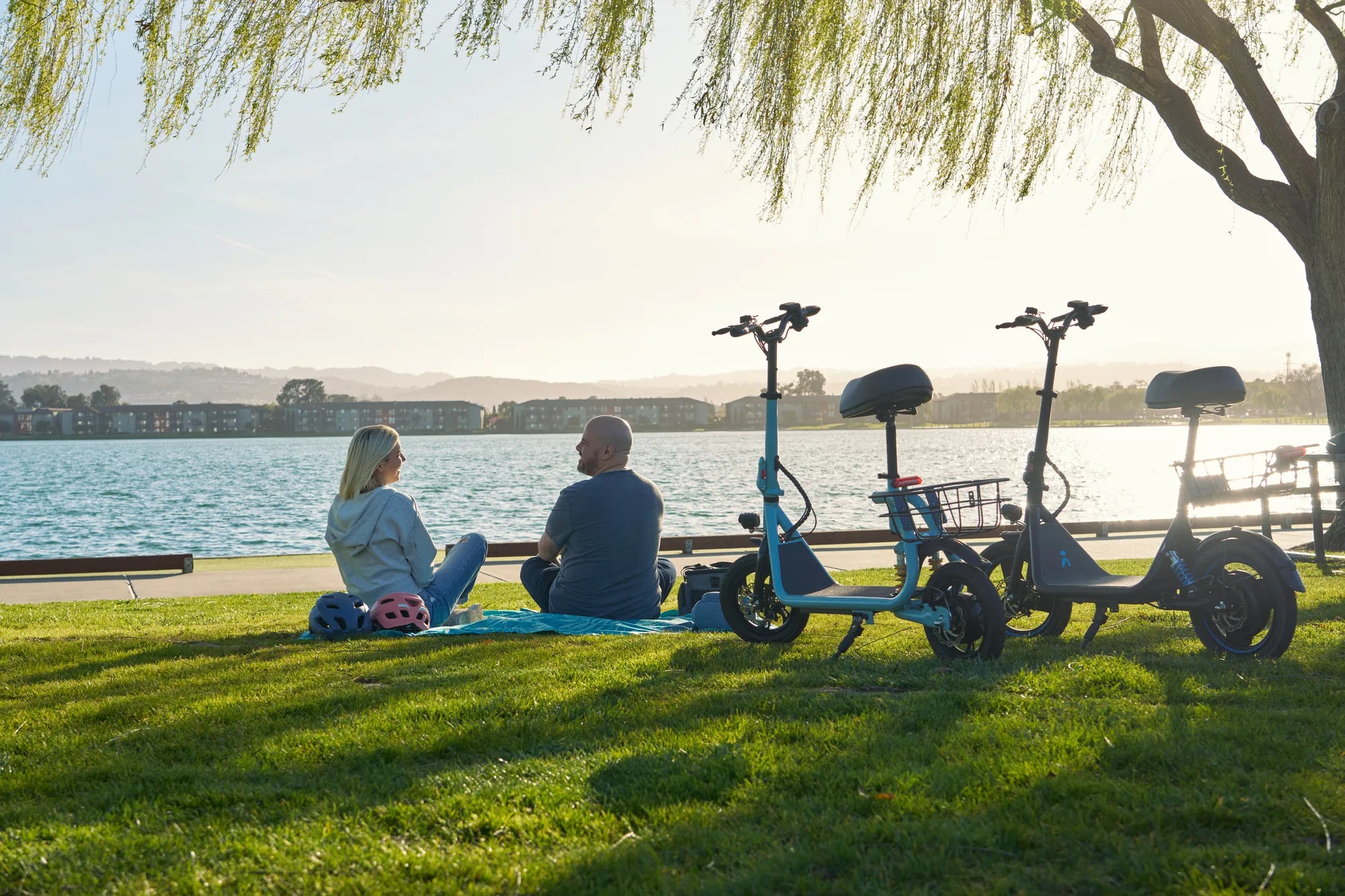
Electric bikes have revolutionized the way we commute, explore, and stay active. At the heart of every e-bike is its battery, the powerhouse that determines how far and how fast you can go. With so many electric bike battery types available, choosing the right one can feel overwhelming. Whether you're a daily commuter, a weekend adventurer, or just curious about e-bike technology, understanding the differences between battery types will help you make an informed decision. Let's dive into the world of electric bike batteries and uncover which one suits your riding style best.
Lithium-Ion Batteries: The Gold Standard
Lithium-ion (Li-ion) batteries are the most popular choice for modern electric bikes, and for good reason. They offer an excellent balance of weight, capacity, and longevity. These batteries are lightweight compared to other types, making them ideal for riders who need portability and efficiency. A typical Li-ion battery can last between 500 to 1,000 charge cycles before its capacity starts to degrade significantly.
Advantages of Lithium-Ion Batteries
- High energy density: They store more power in a smaller, lighter package.
- Long lifespan: With proper care, they can last several years.
- Fast charging: Most Li-ion batteries recharge in 3-6 hours.
- Low self-discharge: They hold their charge well when not in use.
Disadvantages of Lithium-Ion Batteries
- Higher cost: They are more expensive upfront than other battery types.
- Sensitivity to temperature: Extreme heat or cold can affect performance.
- Safety concerns: Rare cases of overheating or swelling can occur if damaged.
Lead-Acid Batteries: The Budget-Friendly Option
Lead-acid batteries were once the standard for early electric bikes, but they have largely been replaced by lithium-ion technology. However, they still have a place in the market due to their affordability. These batteries are heavier and bulkier, which can impact the handling and efficiency of an e-bike.
Advantages of Lead-Acid Batteries
- Low cost: They are the most affordable option for e-bike batteries.
- Widely available: Easy to find replacements or repairs.
- Reliable in cold weather: They perform better than Li-ion in freezing temperatures.
Disadvantages of Lead-Acid Batteries
- Heavy and bulky: Adds significant weight to the bike.
- Shorter lifespan: Typically lasts 300-500 charge cycles.
- Slow charging: Can take 6-8 hours or more to recharge fully.
- High self-discharge: Loses charge faster when not in use.
Nickel-Metal Hydride (NiMH) Batteries: A Middle Ground
Nickel-metal hydride batteries were a stepping stone between lead-acid and lithium-ion technologies. While not as common today, they still offer some benefits for specific use cases. NiMH batteries are more energy-dense than lead-acid but less so than Li-ion, making them a compromise in terms of weight and performance.
Advantages of NiMH Batteries
- Moderate energy density: Lighter than lead-acid but not as efficient as Li-ion.
- Good lifespan: Can last 500-800 charge cycles.
- More environmentally friendly: Contains fewer toxic materials than lead-acid.
Disadvantages of NiMH Batteries
- Memory effect: Performance can degrade if not fully discharged occasionally.
- Higher self-discharge: Loses charge faster than Li-ion when idle.
- Limited availability: Fewer e-bike models support NiMH batteries today.
Emerging Battery Technologies: The Future of E-Bikes
As technology advances, new electric bike battery types are emerging with the potential to outperform current options. Solid-state batteries, for example, promise higher energy density, faster charging, and improved safety. Graphene batteries are another exciting development, offering ultra-fast charging and longer lifespans. While these technologies are still in the experimental or early adoption phase, they could revolutionize e-bike performance in the coming years.
Advantages of Emerging Battery Technologies
- Higher energy density: More power in a smaller, lighter package.
- Faster charging: Some prototypes can charge in minutes.
- Improved safety: Reduced risk of overheating or swelling.
Disadvantages of Emerging Battery Technologies
- High cost: Currently expensive to produce.
- Limited availability: Not yet widely adopted in consumer e-bikes.
- Unproven longevity: Long-term performance data is still being collected.
How to Choose the Right Electric Bike Battery
Selecting the best battery for your electric bike depends on several factors, including your budget, riding habits, and performance expectations. Here are some key considerations:
1. Determine Your Range Needs
Calculate how far you typically ride on a single trip. If you need long-range capabilities, a high-capacity lithium-ion battery is the best choice.
2. Consider Weight and Portability
If you frequently carry your bike upstairs or need to remove the battery for charging, a lightweight Li-ion option is ideal.
3. Evaluate Charging Time
If you need quick turnarounds between rides, prioritize batteries with fast-charging capabilities.
4. Think About Climate Conditions
Extreme temperatures can affect battery performance. Lithium-ion works best in moderate climates, while lead-acid handles cold better.
5. Budget Constraints
While lithium-ion batteries are more expensive upfront, their longer lifespan may save money in the long run compared to lead-acid.
Maintenance Tips for Electric Bike Batteries
Proper care can extend the life of your e-bike battery, regardless of type. Follow these best practices to keep your battery in top condition:
- Avoid full discharges: Try to recharge before the battery drops below 20%.
- Store at moderate temperatures: Keep batteries away from extreme heat or cold.
- Charge regularly: Even if not in use, top up the charge every few weeks.
- Clean terminals: Wipe battery contacts periodically to prevent corrosion.
- Use the correct charger: Always use the manufacturer-recommended charger.
Electric bike battery technology is constantly evolving, offering riders more options than ever before. Whether you prioritize affordability, performance, or cutting-edge innovation, there's a battery type that fits your needs. By understanding the strengths and limitations of each option, you can make an informed choice that enhances your riding experience. The future of e-bikes is bright, and with the right battery, your next adventure is just a pedal—or a throttle—away.
British Columbia Electric Scooter Age Requirement: What You Need to Know
British Columbia Electric Scooter Age Requirement: What You Need to Know