


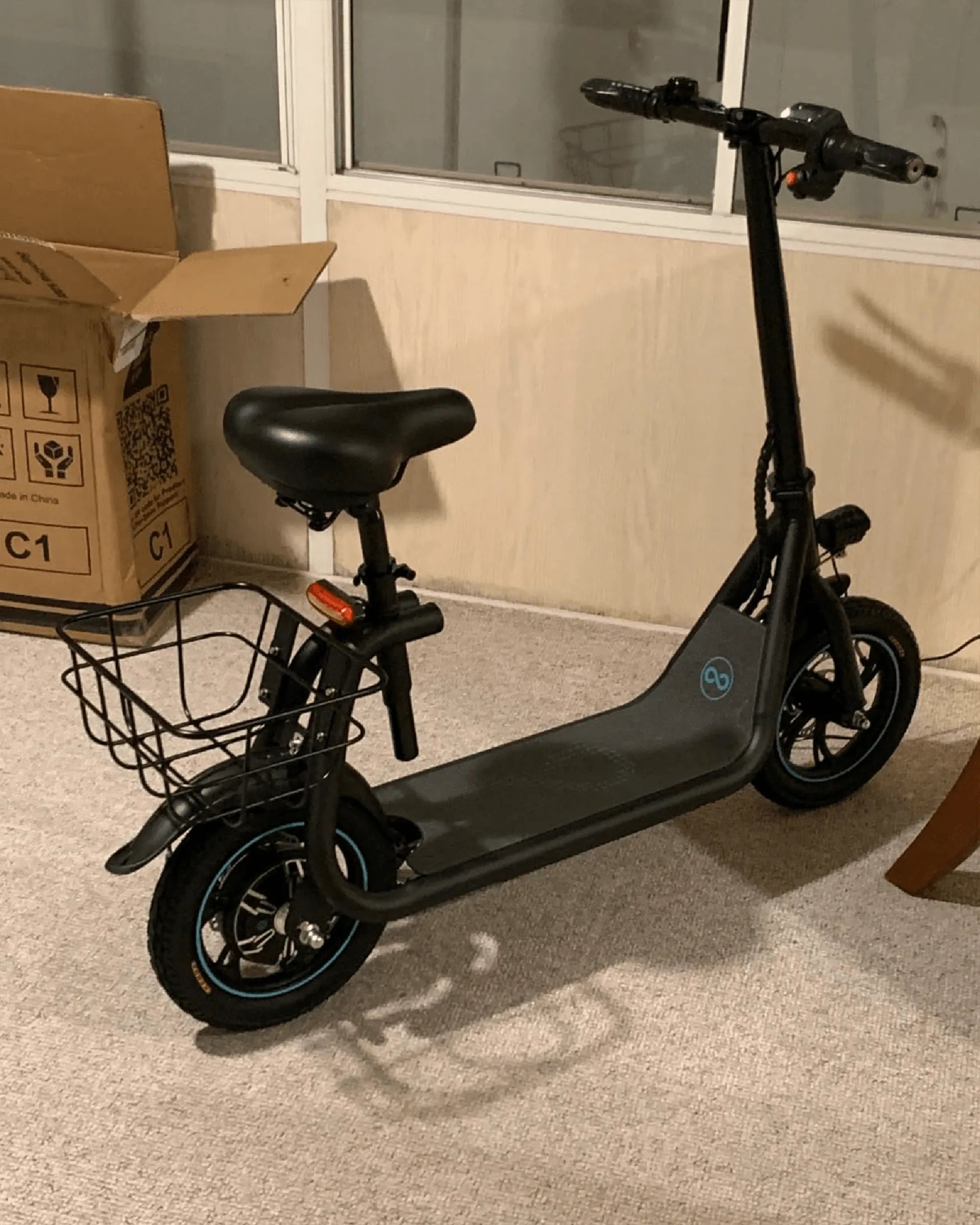
Electric bikes have revolutionized the way we commute, explore, and stay active. With so many options on the market, knowing how to compare electric bikes effectively can save you time, money, and frustration. Whether you're a daily commuter, a weekend adventurer, or someone looking for a greener way to get around, this guide will help you make an informed decision.
Why Compare Electric Bikes?
Not all electric bikes are created equal. From motor power to battery capacity, each component plays a crucial role in performance and usability. Comparing e-bikes ensures you get the best value for your budget and a ride that suits your needs.
Key Factors to Consider
Motor Power and Performance
The motor is the heart of an electric bike. Motors typically range from 250W to 750W, with higher wattage offering more speed and torque. Consider where you'll ride—hilly terrains demand more power, while flat urban areas may require less.
Battery Life and Range
Battery capacity determines how far you can go on a single charge. Look for batteries with at least 400Wh for decent range. If you plan long rides, opt for 500Wh or higher. Charging time is another critical factor—some batteries recharge in 3-4 hours, while others take longer.
Frame and Build Quality
E-bikes come in various frame materials, including aluminum, steel, and carbon fiber. Aluminum is lightweight and durable, while steel offers strength at a higher weight. Carbon fiber is premium but expensive. Choose a frame that balances weight, durability, and comfort.
Riding Modes and Assist Levels
Most e-bikes offer multiple assist levels, from eco to turbo. Some even include throttle-only modes for effortless riding. Test different modes to see which feels most natural for your riding style.
Braking System
Safety is paramount. Hydraulic disc brakes provide superior stopping power, especially in wet conditions. Mechanical disc brakes are more affordable but require frequent adjustments. Rim brakes are lighter but less effective in harsh weather.
Comfort and Ergonomics
Suspension systems, saddle design, and handlebar positioning affect comfort. Full-suspension e-bikes absorb bumps better, while hardtails are lighter and more efficient. Adjustable components let you customize the fit for long rides.
Budget Considerations
Electric bikes range from budget-friendly to high-end models. While cheaper options may lack premium features, they can still offer reliable performance. Set a realistic budget and prioritize features that matter most to you.
Test Ride Before Buying
Nothing beats a test ride. Visit local dealers to experience different models firsthand. Pay attention to acceleration, handling, and comfort. A bike that feels right in person might surprise you compared to online specs.
Final Thoughts
Choosing the right electric bike doesn’t have to be overwhelming. By comparing motor power, battery life, build quality, and other key features, you’ll find an e-bike that matches your lifestyle. Ready to hit the road? Your perfect ride is just a comparison away.
Top Electric Bike for Adults: The Ultimate Guide to Choosing the Best Ride
Electric Bikes on Bike Paths: The Future of Urban Mobility