

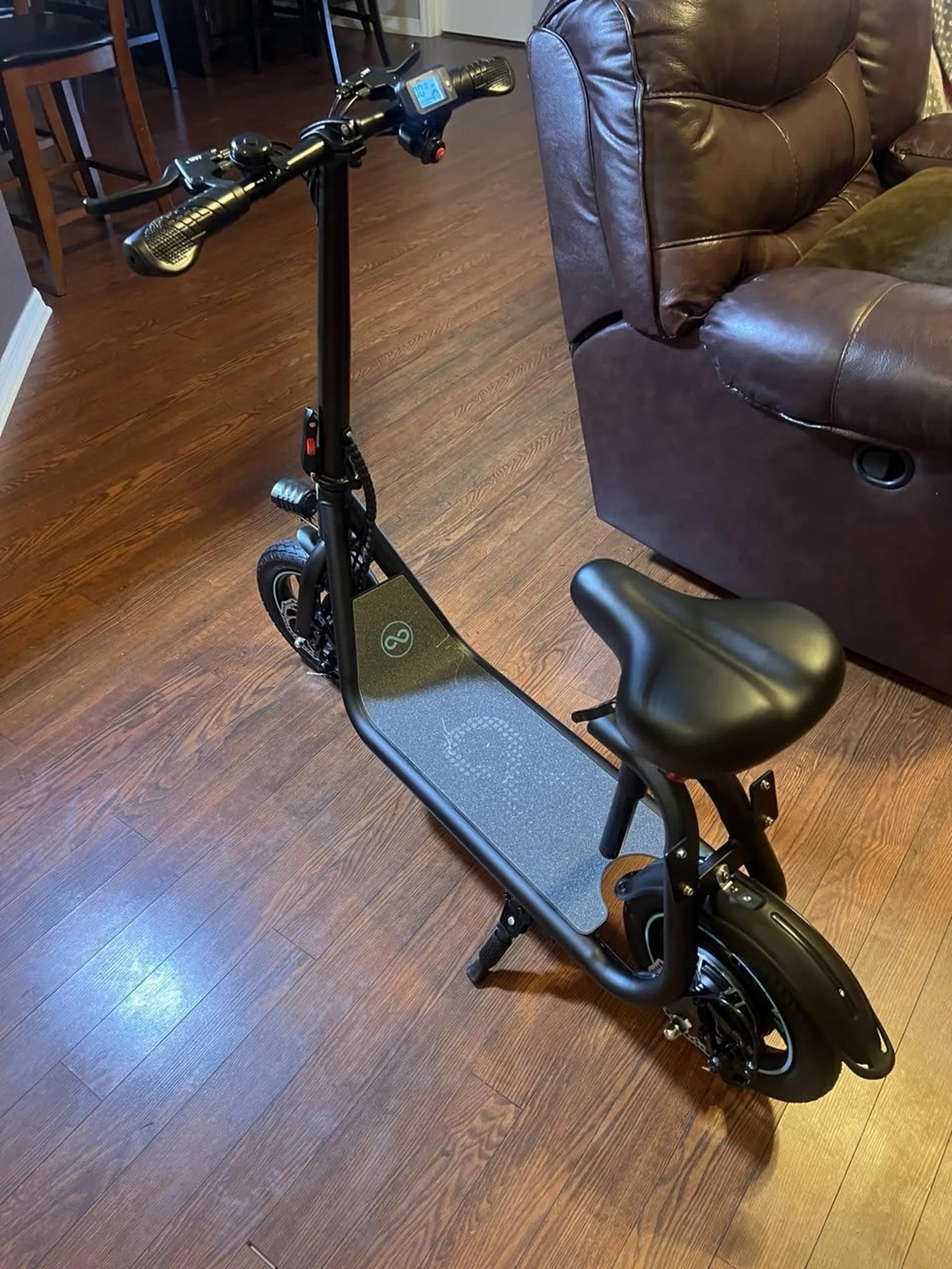
Few things are as frustrating as hopping on your electric bike only to realize the controller isn’t working. Whether you rely on it for commuting or leisure rides, a malfunctioning controller can bring your journey to a sudden halt. But don’t worry—this guide will walk you through the most common issues and how to fix them.
Common Causes of Electric Bike Controller Failure
Understanding why your electric bike controller stops working is the first step toward fixing it. Here are the most frequent culprits:
- Loose or Damaged Wiring: Wires can fray, disconnect, or corrode over time, disrupting power flow.
- Water Damage: Moisture can short-circuit the controller, especially if the bike isn’t waterproof.
- Overheating: Prolonged use or high temperatures can cause the controller to shut down.
- Battery Issues: A weak or faulty battery may not supply enough power to the controller.
- Software Glitches: Firmware errors can cause unexpected shutdowns or malfunctions.
How to Diagnose a Faulty Controller
Before attempting repairs, confirm that the controller is indeed the problem. Follow these steps:
- Check the Battery: Ensure it’s fully charged and properly connected.
- Inspect Wiring: Look for loose, frayed, or corroded connections.
- Test the Throttle: If the throttle doesn’t respond, the controller may be at fault.
- Listen for Sounds: A clicking or buzzing noise could indicate a failing controller.
- Use a Multimeter: Measure voltage output to confirm if the controller is functioning.
Step-by-Step Fixes for a Non-Working Controller
Once you’ve identified the issue, try these solutions:
1. Reconnect Loose Wires
Unplug and reconnect all wiring harnesses to ensure a secure fit. If any wires are damaged, replace them.
2. Dry Out Moisture
If water damage is suspected, remove the controller and let it dry completely before reassembling.
3. Reset the Controller
Some controllers have a reset button. Press it or disconnect the battery for a few minutes to reboot the system.
4. Check for Overheating
Allow the controller to cool down if it feels hot. Improve ventilation or relocate it to a cooler spot if necessary.
5. Update Firmware
If your controller supports updates, check for the latest firmware version and install it.
When to Replace the Controller
If troubleshooting doesn’t resolve the issue, it may be time for a replacement. Signs include:
- Burning smell or visible damage
- Consistent failure despite repairs
- Error codes indicating irreparable faults
Replacing the controller is often more cost-effective than repeated repairs.
Preventing Future Controller Issues
To avoid future breakdowns, follow these maintenance tips:
- Store your bike in a dry, temperature-controlled environment.
- Regularly inspect wiring and connectors for wear.
- Avoid overloading the motor or battery.
- Clean the bike regularly to prevent dirt buildup.
Don’t let a faulty controller ruin your ride—with these troubleshooting steps, you can diagnose and fix the problem efficiently. Whether it’s a simple wiring fix or a full replacement, you’ll be back on the road in no time!
Maui Mountain Biking: An Unforgettable Adventure Through Paradise
Electric Scooter Price in Hong Kong: A Comprehensive Guide for Buyers