

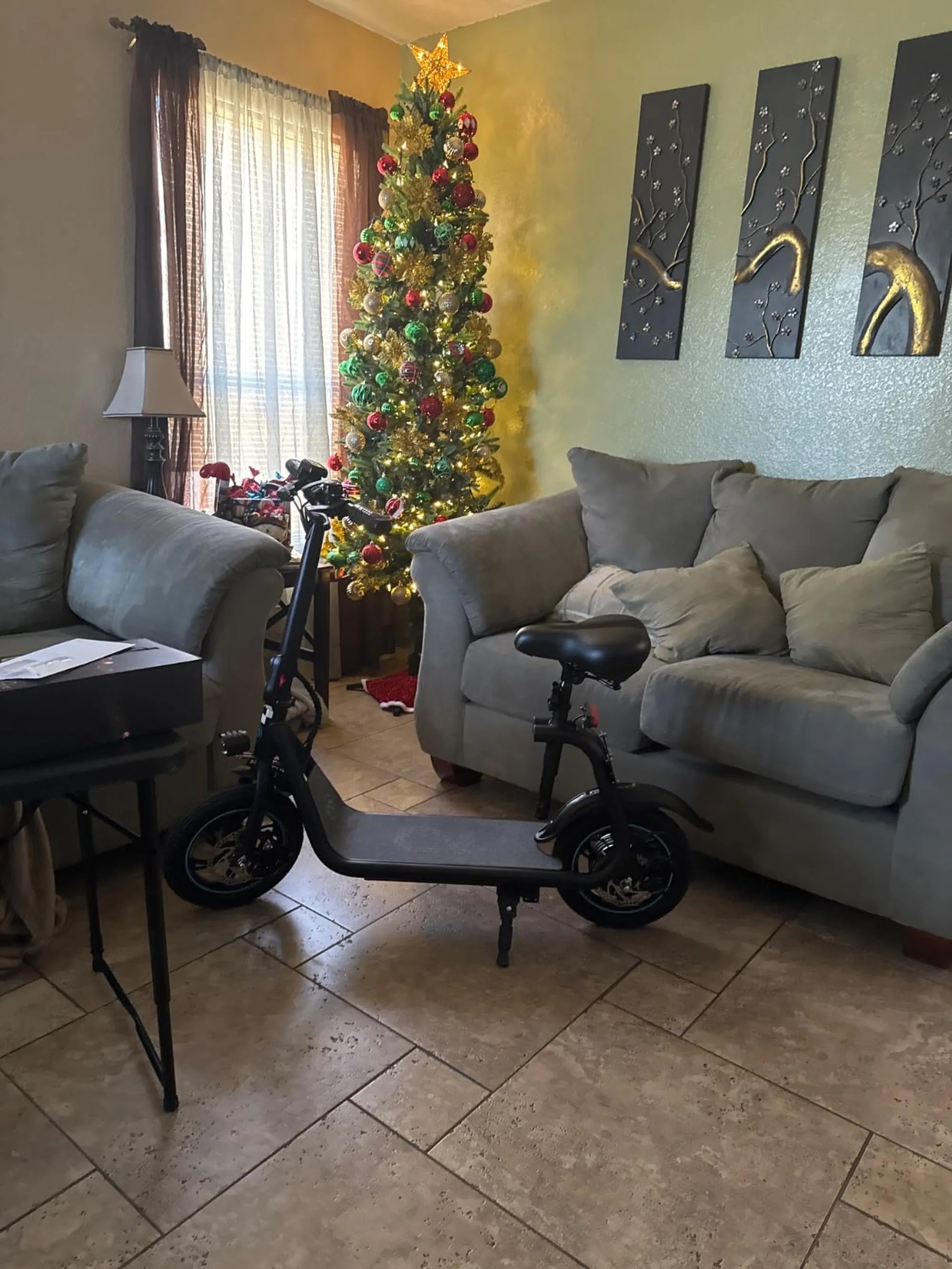
Electric bikes have surged in popularity, offering an eco-friendly, efficient, and fun way to commute or explore. But with so many options on the market, understanding the electric bike cost range is essential to avoid overspending or settling for a subpar ride. Whether you're a budget-conscious buyer or looking for top-tier performance, this guide breaks down everything you need to know.
Factors Influencing Electric Bike Cost Range
The price of an electric bike can vary dramatically based on several key factors. Here are the most significant elements that determine where an e-bike falls within the cost range:
- Battery Quality and Capacity: Higher-capacity batteries with advanced lithium-ion technology tend to increase the price.
- Motor Power: More powerful motors (measured in watts) provide better performance but come at a higher cost.
- Frame Material: Lightweight materials like carbon fiber are pricier than aluminum or steel.
- Brand and Warranty: Reputable brands with extensive warranties often charge a premium.
- Additional Features: Extras like integrated lights, suspension systems, and smart connectivity can add to the cost.
Electric Bike Cost Range Breakdown
To help you navigate the market, here’s a breakdown of the typical electric bike cost range:
Budget-Friendly E-Bikes ($500 - $1,500)
These entry-level models are ideal for casual riders or those on a tight budget. They often feature basic components, smaller batteries, and less powerful motors. While they may lack advanced features, they still provide a reliable electric assist for short commutes or leisurely rides.
Mid-Range E-Bikes ($1,500 - $3,500)
This category strikes a balance between affordability and performance. Expect better battery life, more robust motors, and improved build quality. Mid-range e-bikes are suitable for daily commuters and recreational riders who want a smoother, more durable ride.
Premium E-Bikes ($3,500 - $7,000+)
High-end electric bikes offer top-tier components, cutting-edge technology, and exceptional performance. They often include premium materials, long-range batteries, and advanced features like torque sensors or customizable riding modes. These are best for serious cyclists or those seeking the best possible experience.
How to Get the Best Value for Your Budget
Finding the right e-bike within your desired electric bike cost range requires careful consideration. Here are some tips to maximize value:
- Prioritize Your Needs: Identify must-have features versus nice-to-haves to avoid overspending.
- Test Ride Before Buying: Ensure the bike’s comfort and performance meet your expectations.
- Check Reviews and Ratings: Research real-world feedback to gauge reliability and customer satisfaction.
- Consider Long-Term Costs: Factor in maintenance, battery replacements, and potential upgrades.
Hidden Costs to Watch Out For
Beyond the initial purchase price, owning an electric bike may involve additional expenses:
- Accessories: Helmets, locks, racks, and lights can add up.
- Maintenance: Regular servicing, tire replacements, and brake adjustments are necessary.
- Battery Replacement: Batteries degrade over time and may need replacing after a few years.
- Insurance: Some riders opt for theft or damage coverage.
Is an Electric Bike Worth the Investment?
While the electric bike cost range can seem steep, the long-term benefits often justify the expense. E-bikes reduce transportation costs, promote physical activity, and minimize environmental impact. For many riders, the convenience and joy of electric biking far outweigh the upfront price.
Ready to find your perfect e-bike? By understanding the electric bike cost range and what influences pricing, you’re well-equipped to make a smart, satisfying purchase. Whether you’re cruising city streets or tackling rugged trails, there’s an e-bike out there that fits your budget and lifestyle.
Wisp Resort Mountain Biking: An Unforgettable Adventure on the Slopes
Wisp Resort Mountain Biking: An Unforgettable Adventure on the Slopes