

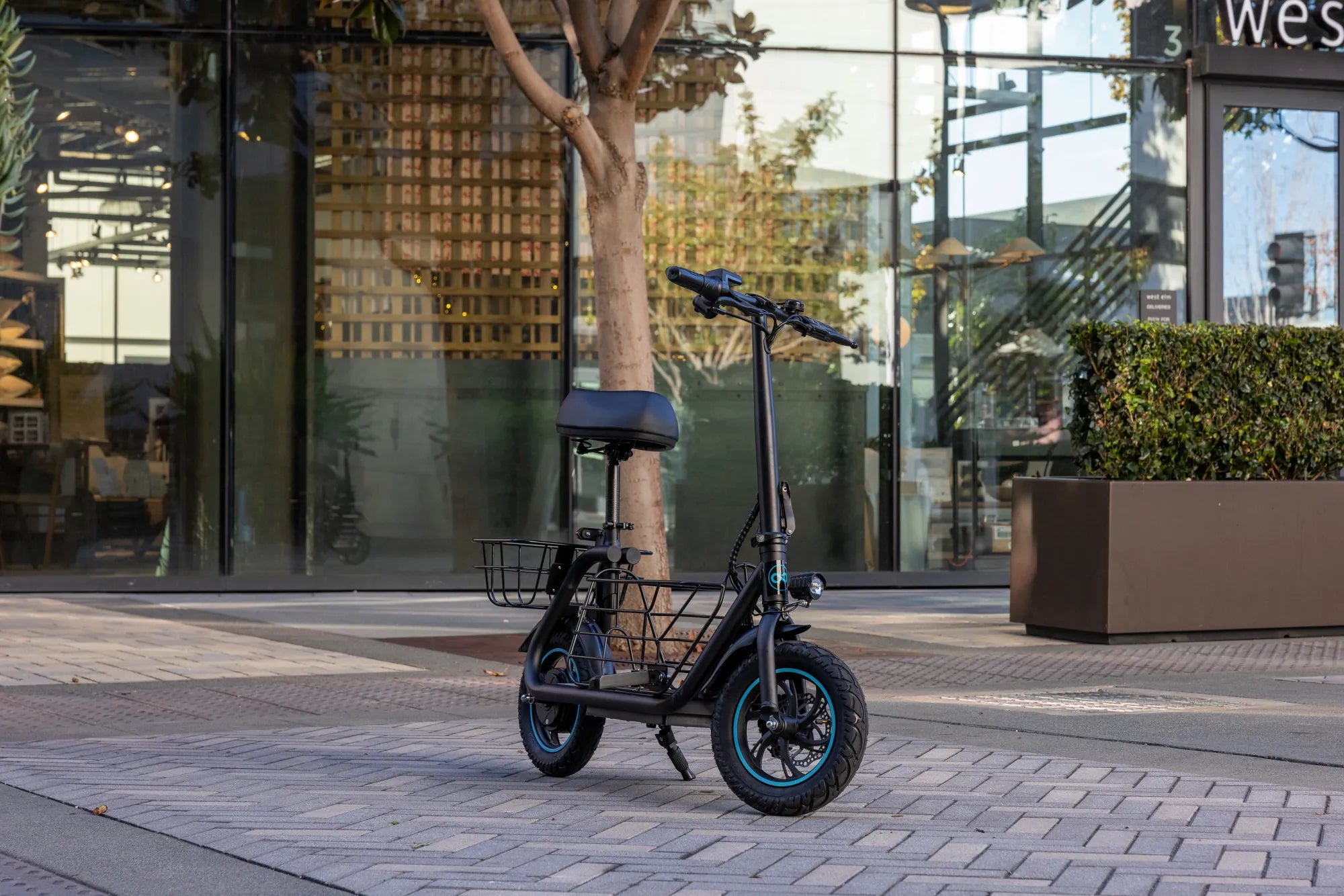
Electric bikes have revolutionized the way we commute, explore, and stay active. But one question lingers in the minds of every potential rider: how many miles can an electric bike go on a single charge? The answer isn't as straightforward as you might think. From battery technology to riding habits, numerous factors play a role in determining your e-bike's range. Let's dive into the details and uncover the truth behind electric bike miles per charge.
Understanding Electric Bike Range
The term "miles per charge" refers to the distance an electric bike can travel before its battery needs recharging. While manufacturers often provide estimated ranges, real-world conditions can significantly impact these numbers. Here's what you need to know:
- Battery Capacity: Measured in watt-hours (Wh), this determines how much energy your bike can store.
- Motor Efficiency: More efficient motors convert battery power into motion with less waste.
- Rider Input: How much you pedal affects energy consumption.
- Terrain: Hills and rough surfaces demand more power than flat, smooth roads.
- Weight: The combined weight of the rider and cargo influences energy use.
Factors That Affect Your E-Bike's Range
Several variables can make your electric bike's range fluctuate from one ride to another. Understanding these factors will help you plan your trips better and extend your battery life.
Battery Size and Quality
The battery is the heart of your electric bike's power system. Higher-capacity batteries naturally provide more range, but they also add weight. Modern lithium-ion batteries offer the best balance of energy density and longevity.
Assist Level Usage
Most e-bikes offer multiple levels of pedal assistance. Using higher assist levels drains the battery faster. For maximum range, use the lowest assist level that comfortably meets your needs.
Terrain and Elevation Changes
Climbing hills requires significantly more energy than riding on flat ground. If your route includes frequent elevation changes, expect your range to decrease accordingly.
Rider Weight and Cargo
Heavier loads require more energy to move. Every extra pound affects your bike's efficiency, so pack light when aiming for maximum range.
Tire Pressure and Type
Properly inflated tires roll more efficiently. Wider, knobby tires create more rolling resistance than smooth, narrow ones. Choose your tires based on your typical riding surface.
Weather Conditions
Cold temperatures can reduce battery performance, while headwinds force your motor to work harder. Riding in ideal weather conditions will help you achieve the best possible range.
How to Maximize Your Electric Bike's Range
Want to squeeze every possible mile from your battery? Follow these expert tips to extend your electric bike's range per charge.
Optimize Your Riding Style
Smooth, consistent pedaling helps conserve battery power. Avoid sudden acceleration and maintain a steady pace whenever possible. Use gears effectively to keep your pedal cadence in the efficient range.
Plan Efficient Routes
Choose routes with fewer stops and less elevation change when you need maximum range. Apps that show elevation profiles can help you find the flattest path to your destination.
Maintain Proper Tire Pressure
Check your tire pressure regularly—at least once a week. Under-inflated tires create unnecessary drag that wastes battery power.
Reduce Wind Resistance
Wearing aerodynamic clothing and adopting a more streamlined riding position can help. At higher speeds, wind resistance becomes a significant factor in energy consumption.
Keep Your Bike Well-Maintained
A clean, lubricated chain and properly adjusted brakes reduce friction and drag. Regular maintenance ensures all components work efficiently together.
Charge Smart
Avoid letting your battery completely discharge, and don't leave it at 100% charge for extended periods. Storing your battery at about 50% charge when not in use helps prolong its lifespan.
Real-World Range Expectations
While manufacturers' range estimates provide a starting point, real-world conditions typically reduce these numbers by 20-40%. Here's what you might realistically expect:
| Battery Capacity | Flat Terrain (Eco Mode) | Mixed Terrain (Normal Mode) | Hilly Terrain (High Assist) |
|---|---|---|---|
| 300Wh | 30-50 miles | 20-35 miles | 15-25 miles |
| 500Wh | 50-80 miles | 35-60 miles | 25-40 miles |
| 700Wh+ | 70-100+ miles | 50-80 miles | 35-60 miles |
Remember that these are general estimates—your actual range will depend on all the factors we've discussed.
Future of Electric Bike Battery Technology
The quest for longer electric bike miles per charge continues to drive innovation. Researchers are working on several promising technologies that could revolutionize e-bike range in the coming years.
Solid-State Batteries
These next-generation batteries promise higher energy density, faster charging, and improved safety. While still in development, they could potentially double current ranges.
Improved Energy Recovery Systems
More sophisticated regenerative braking systems could capture more energy during descents and stops, adding valuable miles to each charge.
Lightweight Materials
Advances in frame and component materials reduce overall weight, allowing the same battery to power the bike farther.
Smart Energy Management
AI-powered systems that optimize power delivery based on terrain, riding style, and traffic conditions could maximize efficiency like never before.
Electric bike miles per charge represent more than just a number—they determine how far your adventures can take you. By understanding the factors that influence range and adopting smart riding practices, you can confidently plan longer journeys and explore new horizons. Whether you're commuting to work or embarking on weekend excursions, knowing your e-bike's true capabilities unlocks its full potential.
What Motors Do Electric Scooters Use: A Deep Dive into Their Power Source
E Scooter with Seat for Boys: The Ultimate Guide to Safe and Fun Rides