

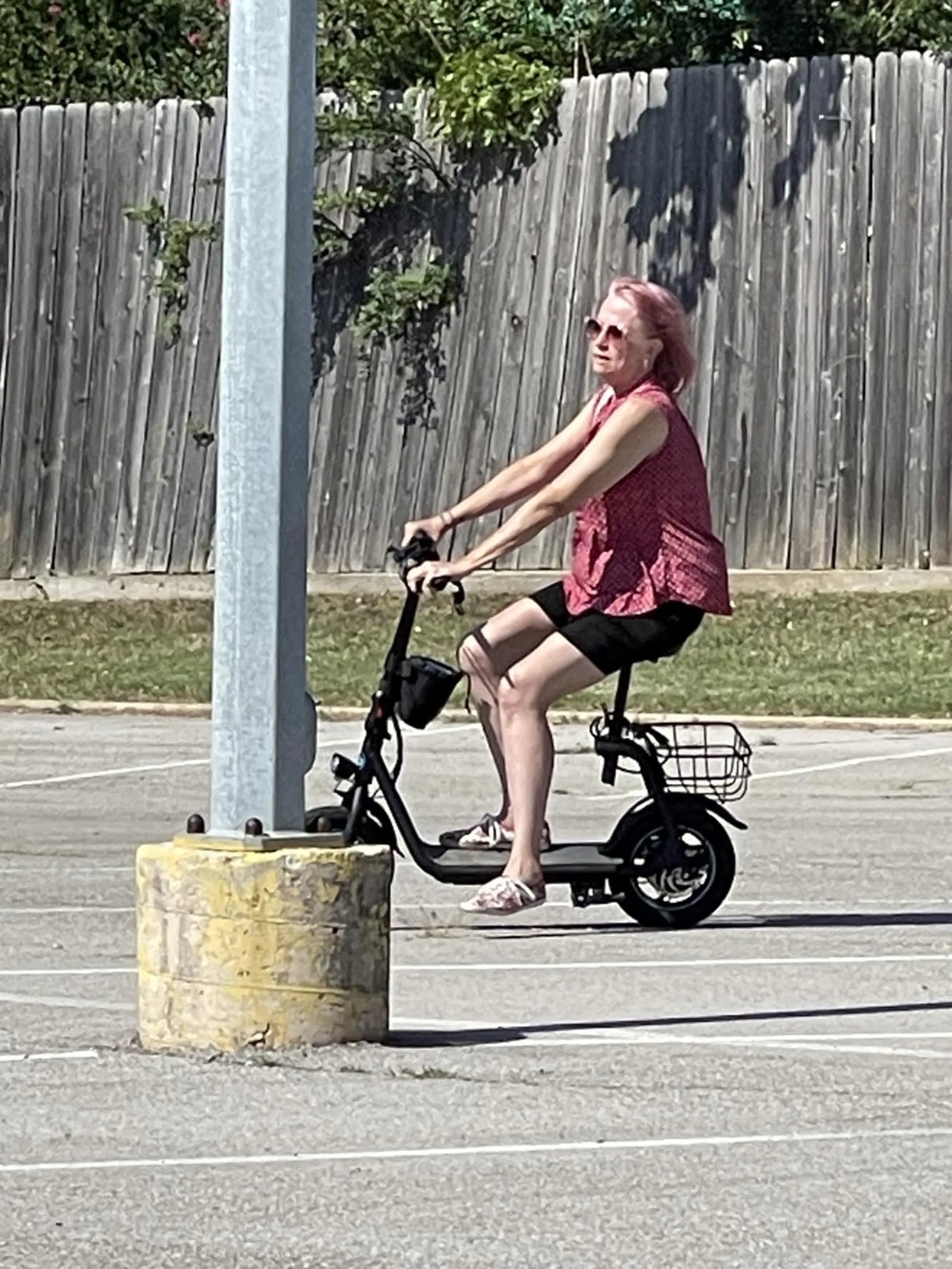
Electric bikes are revolutionizing urban mobility, offering an eco-friendly and efficient way to navigate crowded streets. But one question lingers in the minds of many potential riders: do electric bikes need a driving license? The answer isn’t as straightforward as you might think, and it largely depends on where you live and the type of e-bike you ride. Let’s dive into the details to clear up the confusion.
Understanding Electric Bike Classifications
Electric bikes are typically categorized into three main classes, each with distinct power and speed capabilities. These classifications often determine whether a driving license is required:
- Class 1: Pedal-assist only, with no throttle, and a maximum speed of 20 mph.
- Class 2: Throttle-assisted, with a maximum speed of 20 mph.
- Class 3: Pedal-assist only, with a maximum speed of 28 mph.
In many regions, Class 1 and Class 2 e-bikes are treated similarly to traditional bicycles and do not require a driving license. However, Class 3 e-bikes, due to their higher speed, may be subject to stricter regulations, including licensing requirements in some areas.
Legal Requirements by Region
The need for a driving license when riding an electric bike varies significantly depending on local laws. Here’s a breakdown of how different regions handle this issue:
United States
In the U.S., federal law classifies e-bikes as bicycles if they meet specific criteria, such as having a motor under 750 watts and a top speed of 20 mph. Most states follow this guideline, meaning no driving license is required for Class 1 and Class 2 e-bikes. However, some states impose additional restrictions on Class 3 e-bikes, such as requiring a helmet or a special permit.
European Union
The EU regulates e-bikes under the Electrically Power Assisted Cycles (EPAC) standard. E-bikes with a motor under 250 watts and a top speed of 15.5 mph (25 km/h) are treated as bicycles and do not require a license. Faster models may be classified as mopeds, necessitating a license, registration, and insurance.
United Kingdom
In the UK, e-bikes are classified as Electrically Assisted Pedal Cycles (EAPCs) if they meet certain criteria, including a motor under 250 watts and a top speed of 15.5 mph. These do not require a license. However, more powerful e-bikes are considered motor vehicles and must be registered and insured, with riders holding a valid driving license.
Why Licensing Matters
The debate over whether electric bikes need a driving license often centers on safety and accountability. Licensing ensures that riders understand traffic laws and are competent enough to operate their vehicles safely. However, critics argue that excessive regulation could stifle the growth of e-bikes as a sustainable transportation alternative.
Regardless of your stance, it’s crucial to check your local laws before hitting the road. Ignorance of the law isn’t an excuse, and fines or penalties could put a damper on your e-biking experience.
Tips for Staying Compliant
To avoid legal trouble, follow these simple steps:
- Research Local Laws: Check with your local transportation authority to understand the specific requirements for e-bikes in your area.
- Choose the Right E-Bike: Opt for a model that aligns with your region’s regulations to avoid licensing hassles.
- Wear Protective Gear: Even if a license isn’t required, wearing a helmet and reflective clothing can enhance your safety.
- Stay Informed: Laws can change, so keep up-to-date with any new regulations affecting e-bike riders.
Electric bikes offer a fantastic way to reduce your carbon footprint while enjoying the freedom of the open road. But before you hop on, make sure you’re riding legally—because nothing ruins a great ride like an unexpected run-in with the law.
Lightweight Electric Bike UK: The Ultimate Guide to Choosing the Best Model
Lightweight Electric Bike UK: The Ultimate Guide to Choosing the Best Model