



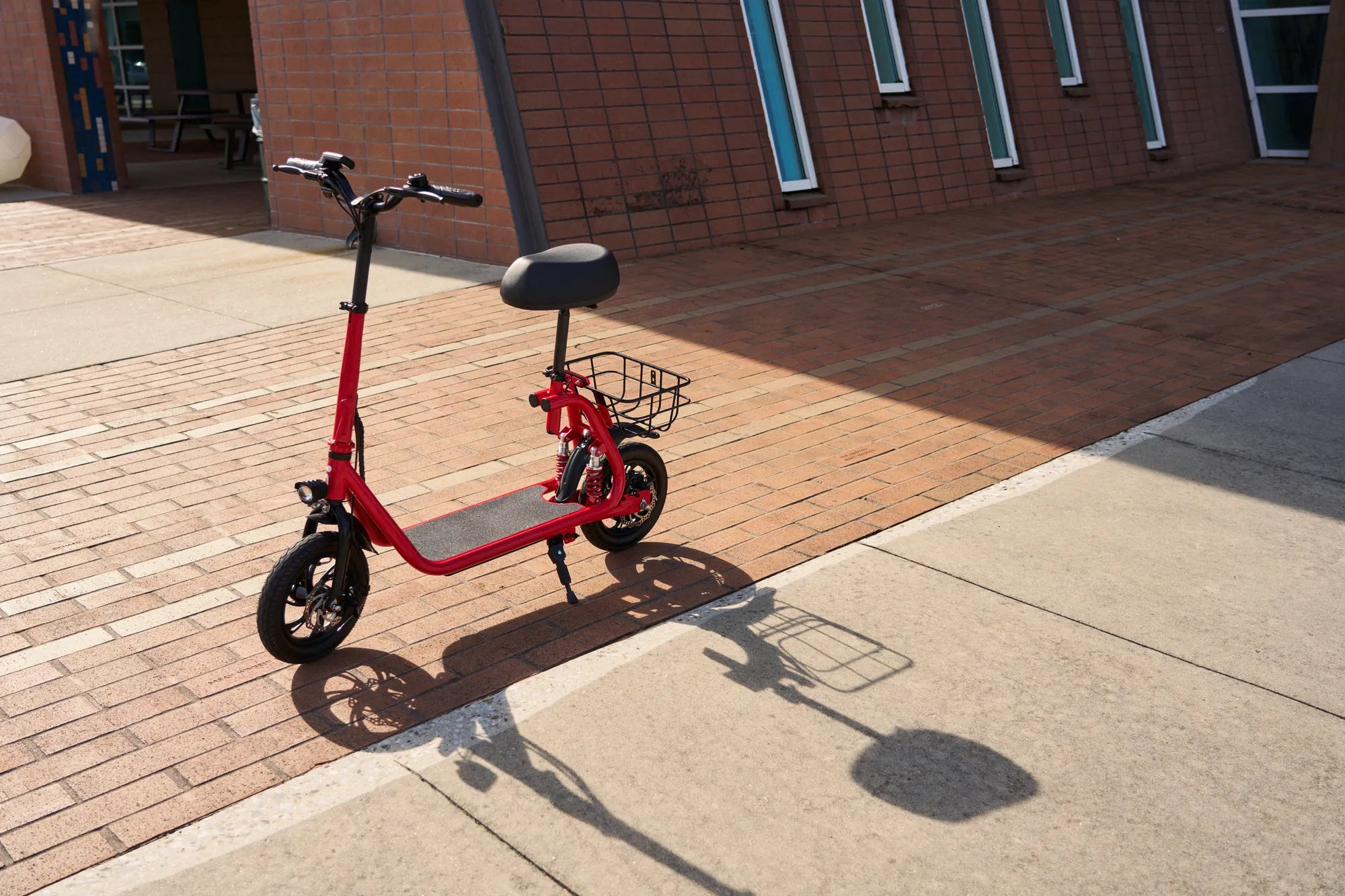
There's nothing more frustrating than hopping on your electric bike, ready for a ride, only to find that it won't turn on. Whether you're commuting to work or heading out for a leisurely ride, a non-responsive e-bike can quickly derail your plans. But don't worry—many of the issues causing this problem are easy to diagnose and fix. In this guide, we'll explore the most common reasons why your electric bike isn't turning on and provide actionable solutions to get you moving again.
Check the Battery
The battery is often the culprit when an electric bike refuses to turn on. Start by ensuring it's properly connected and fully charged. If the battery is loose, reseat it firmly in its compartment. If the bike still doesn't power on, try charging the battery for a few hours. A dead or faulty charger could also be the issue, so test it with another compatible charger if possible.
Inspect the Power Switch and Connections
Sometimes, the problem is as simple as a faulty power switch. Check if the switch is in the "on" position and listen for any clicks or signs of engagement. If the switch feels loose or unresponsive, it may need replacement. Additionally, examine all wiring connections for corrosion, fraying, or disconnections. Loose or damaged wires can prevent the bike from receiving power.
Examine the Display and Control Panel
Modern electric bikes often feature a display or control panel that indicates power status. If the screen remains blank, the issue could lie with the display unit itself. Check for visible damage or moisture ingress, which can disrupt functionality. Resetting the system by holding the power button for 10-15 seconds may also help.
Test the Motor and Controller
A malfunctioning motor or controller can prevent the bike from turning on. Listen for unusual sounds when attempting to power up the bike. If the motor hums but doesn't engage, the controller may be faulty. Professional diagnosis is recommended for motor or controller issues, as these components are complex and require specialized tools.
Look for Blown Fuses
Many electric bikes have fuses to protect the electrical system from surges. Locate the fuse box (often near the battery or controller) and inspect the fuses for signs of damage. A blown fuse will appear blackened or broken. Replace it with a fuse of the same rating to restore power.
Consider Environmental Factors
Extreme temperatures, moisture, or prolonged storage can affect your e-bike's performance. If the bike was exposed to rain or stored in a damp environment, moisture may have damaged the electrical components. Allow the bike to dry thoroughly and check for corrosion. Similarly, very cold or hot conditions can temporarily affect battery performance.
When to Seek Professional Help
If you've tried all the above steps and your electric bike still won't turn on, it's time to consult a professional technician. Persistent issues may indicate deeper electrical problems or component failures that require expert attention. Regular maintenance can prevent many of these issues, so schedule check-ups to keep your e-bike in top condition.
Don't let a non-starting electric bike ruin your day—most issues have simple fixes you can tackle yourself. By methodically checking the battery, connections, and components, you'll likely identify the problem and be back on the road in no time. And if all else fails, a qualified technician can help get your e-bike running smoothly again.
Electric Scooter Range Battery Life Comparison: What You Need to Know
Mountain Biking Azores: An Adventurer's Guide to the Ultimate Trail Experience